Compare working-capital, , agriculture and trade facilities. Business-purpose cards (such as Kisan and cards) and business loans stay here; consumer cards and personal loans remain in their dedicated categories so rows are not double-counted.
Animal-husbandry farmer associated with a dairy unit
monthly milk supply through a dairy unit, milk society or milk union. The current page says one year in its introduction and summary eligibility, but two years in its expanded eligibility
the current product guide also says two years. Confirm the controlling vintage with the bank before applying.
Value awaiting review
₹50,000 to ₹5 lakh
may be extended up to ₹10 lakh under the credit guarantee. The current guide gives a conflicting minimum of ₹25,001
the detailed product page's ₹50,000 is used here and both source values are retained in evidence.
Disbursed rates in Apr–Jun 2026: 10.00%–14.50%
mean 12.98%. Historical portfolio rates, not a borrower quote.
Up to 39 months, as stated in the Farmer Funding catalogue.
The current Farmer Funding Product Guide states no collateral requirements for Dairy Power.
Farmer Funding tariff effective 19 June 2026: 1.50% +
specifically not applicable to FDOD codes ODAGD/ODAGR. Small/marginal-farmer up to ₹3 lakh at account level have the stated service-charge waivers. Kisan Tatkal's guide says nil processing fee, conflicting with the tariff's general fee
Up to 7 years, with moratorium up to 6 months in the detailed route and current guide. The Farmer Funding catalogue card separately says the moratorium ranges from 6 to 24 months
this conflict needs confirmation.
Value awaiting review
Farmer Funding tariff effective 19 June 2026: 1.50% +
specifically not applicable to FDOD codes ODAGD/ODAGR. Small/marginal-farmer up to ₹3 lakh at account level have the stated service-charge waivers. Kisan Tatkal's guide says nil processing fee, conflicting with the tariff's general fee
if the borrower is over 60, a co-borrower under 60 who is a legal heir/immediate family member is mandatory. Joint holding across one or multiple locations is permitted for up to five people. The Kisan Power page states at least 1 acre of agricultural land for .
Value awaiting review
Up to ₹2.5 crore
the Farmer Funding catalogue gives a ₹25,001 minimum for the Kisan Credit Card listing.
Value awaiting review
The page initially says cash credit up to 1 year
its expanded terms say cash credit up to 5 years and term loans up to 7 years, with renewal and crop-marketing time considered. This is an on-page discrepancy
verify the sanctioned facility's renewal cycle.
Value awaiting review
Farmer Funding tariff effective 19 June 2026: 1.50% +
specifically not applicable to FDOD codes ODAGD/ODAGR. Small/marginal-farmer up to ₹3 lakh at account level have the stated service-charge waivers. Kisan Tatkal's guide says nil processing fee, conflicting with the tariff's general fee
Farmers cultivating fresh/brackish-water fish or prawns
age 18–75 (co-borrower above 60)
own land/water spread of 2 acres except 1 acre in West Bengal/Odisha
at least 3 years' carp-cultivation experience.
Value awaiting review
₹25,001 to ₹1.5 crore.
Disbursed rates in Apr–Jun 2026: 9.35%–14.25%
mean 12.33%. Historical portfolio rates, not a borrower quote.
Up to 5 years, as stated in the Farmer Funding catalogue card.
Value awaiting review
Farmer Funding tariff effective 19 June 2026: 1.50% +
specifically not applicable to FDOD codes ODAGD/ODAGR. Small/marginal-farmer up to ₹3 lakh at account level have the stated service-charge waivers. Kisan Tatkal's guide says nil processing fee, conflicting with the tariff's general fee
applicants over 60 need a co-borrower. Up to five joint holders are permitted. At least 1 acre of agricultural land is required for . Cash credit is required to obtain a Kisan Power term loan.
Value awaiting review
₹25,001 to ₹2.5 crore.
Disbursed rates in Apr–Jun 2026: 7.00%–15.00%
mean 10.65%. This is a historical portfolio range, not a guaranteed borrower rate. Eligible CC/up to ₹3 lakh from a rural or semi-urban branch is stated at a concessional 7% p.a., subject to applicable government interest-subvention rules.
Up to 5 years
repayment rests half-yearly or yearly according to harvest and marketing periods.
Value awaiting review
Farmer Funding tariff effective 19 June 2026: 1.50% +
specifically not applicable to FDOD codes ODAGD/ODAGR. Small/marginal-farmer up to ₹3 lakh at account level have the stated service-charge waivers. Kisan Tatkal's guide says nil processing fee, conflicting with the tariff's general fee
Any major individual. The current guide states farmer age 18–75 and a co-borrower for applicants above 60.
Value awaiting review
The detailed product page states ₹2 lakh to ₹2.5 crore. The current guide gives ₹2,00,001–₹5 crore and catalogue card says up to ₹5 crore
the product-page range is shown pending bank confirmation of the conflicting cap.
Disbursed rates in Apr–Jun 2026: 7.26%–9.75%
mean 8.46%. The current product page says customer pricing is based on the Axis Bank rate. Historical portfolio rates are not a borrower quote.
1 year
monthly repayment, according to the current product page and guide.
Value awaiting review
Farmer Funding tariff effective 19 June 2026: 1.50% +
specifically not applicable to FDOD codes ODAGD/ODAGR. Small/marginal-farmer up to ₹3 lakh at account level have the stated service-charge waivers. Kisan Tatkal's guide says nil processing fee, conflicting with the tariff's general fee
Minimum land holding 5 acres and minimum income ₹7 lakh. Age wording conflicts within the same rule: borrower must be 18–60, while the page also says a co-borrower is needed if age is above 60.
Value awaiting review
₹1,00,001 to ₹5 crore.
Repo-linked: prevailing repo rate plus the bank's spread
the page says the repo is reset quarterly but gives no product-specific numeric spread.
1 year
monthly repayment.
Value awaiting review
Farmer Funding tariff effective 19 June 2026: 1.50% +
specifically not applicable to FDOD codes ODAGD/ODAGR. Small/marginal-farmer up to ₹3 lakh at account level have the stated service-charge waivers. Kisan Tatkal's guide says nil processing fee, conflicting with the tariff's general fee
Documented income is required and non-agricultural property is mandatory. The page states age 18–60 and also says a co-borrower is required above 60
confirm this internally conflicting wording with the bank.
Value awaiting review
Minimum ₹1,00,001. The current product page and guide do not state a maximum amount.
Repo-linked: prevailing repo rate plus the bank's spread
the current product page gives a quarterly reset but no numerical spread.
1 year
monthly repayment.
Non-agricultural property is mandatory.
Farmer Funding tariff effective 19 June 2026: 1.50% +
specifically not applicable to FDOD codes ODAGD/ODAGR. Small/marginal-farmer up to ₹3 lakh at account level have the stated service-charge waivers. Kisan Tatkal's guide says nil processing fee, conflicting with the tariff's general fee
at least 5 acres. Non-agricultural income above ₹5 lakh is mandatory for the specified grid-connected-pump solarisation and solar-plant uses. Primary security is hypothecation of financed assets
agricultural collateral follows guidelines.
Value awaiting review
₹25,001 to ₹2.5 crore, as stated in the current Farmer Funding catalogue and product guide.
Repo-linked: prevailing repo rate plus the bank's spread
the current product page gives quarterly resets but no numeric spread.
Up to 7 years, including moratorium, according to the current Farmer Funding catalogue.
Primary security: hypothecation of assets created from bank finance. Collateral security: agricultural collateral as per guidelines.
Farmer Funding tariff effective 19 June 2026: 1.50% +
specifically not applicable to FDOD codes ODAGD/ODAGR. Small/marginal-farmer up to ₹3 lakh at account level have the stated service-charge waivers. Kisan Tatkal's guide says nil processing fee, conflicting with the tariff's general fee
Individual, proprietorship, partnership or company
broiler flock at least 2,000 birds per cycle or layer batch at least 10,000 birds
farm vintage at least 2 years for broilers and 3 years for layers
individual age 18–75 with co-borrower above 60.
Minimum vintage: 2 years for broiler and 3 years for layer farms
₹2 lakh to ₹5 crore.
Disbursed rates in Apr–Jun 2026: 9.25%–14.25%
mean 12.67%. Historical portfolio rates, not a borrower quote.
Up to 3 years, as stated in the Farmer Funding catalogue card.
Overdraft primary security: nil. Term loan: hypothecation of assets created from bank finance. Facilities up to ₹10 lakh may be fully secured with agricultural property
above ₹10 lakh, fully secured with non-agricultural collateral.
Farmer Funding tariff effective 19 June 2026: 1.50% +
specifically not applicable to FDOD codes ODAGD/ODAGR. Small/marginal-farmer up to ₹3 lakh at account level have the stated service-charge waivers. Kisan Tatkal's guide says nil processing fee, conflicting with the tariff's general fee
lists individual entrepreneurs, private companies, Farmer Producer Organisations (), Section 8 companies and . DAHD's current scheme page also includes dairy cooperatives after DIDF was subsumed into
product page does not list cooperatives, so confirm Bank acceptance before applying.
Value awaiting review
can finance up to 90% of a viable project's estimated or actual cost. DAHD's linked states there is no general upper or lower rupee loan limit
the final amount depends on project appraisal and the lending bank's sanction.
3% interest subvention is published by Bank of Baroda for eligible entities. DAHD pays the lending agency, which credits/adjusts the beneficiary's account
the guidelines say subvention is for non- projects, is not paid during default/ periods and is available for 8 years including the 2-year moratorium under the current operational guideline.
10 years including 2-year principal moratorium
Primary security is hypothecation of movable structures, equipment and machinery purchased or created from finance. Fixed assets, land and buildings are mortgaged, with personal guarantees of proprietors, partners, promoters or directors as applicable. The rate matrix varies with immovable-property security coverage.
Nil up to ₹3 lakh
above ₹3 lakh1% capped at ₹1 crore
lists documents (Aadhaar, Voter , , Driving Licence and similar), a passport-size photograph and land record. Quotation/invoice, project report and income-tax returns are requested if available. DAHD's scheme guideline separately requires a viable Detailed Project Report with project/site surveys, facility design, market, employment and raw-material plans, land arrangements and applicable clearances, an implementation plan and timeline, and a vaccine list where relevant.
The scheme is implemented in all States and Union Territories of India. presents the lending product through its Rural and Agri Banking channel
no narrower state, district or branch restriction is published.
Individual or joint animal-husbandry farmers, and including tenant farmers
inland fishers/fish farmers, groups, partners, share-croppers, tenant farmers and women groups
and marine fishers/fish farmers and groups with the listed activity assets and permissions.
Animal-husbandry applicants must rear the listed livestock/poultry and have owned, rented or leased sheds. Inland fisheries applicants need owned or leased fisheries assets and relevant licences. Marine applicants need an owned or leased registered vessel/boat and the required fishing permissions.
₹3,000 minimum
up to ₹10 lakh
Working capital up to ₹2 lakh: 7.00% p.a. fixed while Government of India interest subvention is provided
otherwise one-year + . Term loans up to ₹2 lakh: one-year + . For either facility above ₹2 lakh to ₹3 lakh: one-year + . Above ₹3 lakh to ₹10 lakh: one-year + + 1.25%.
valid up to 5 years with annual review
term loan may extend to 7 years
: up to ₹2 lakh, hypothecation of stocks/assets financed
above ₹2 lakh, hypothecation of standing crop, livestock, feed, medicine and financed assets plus land mortgage/charge or guarantor. : up to ₹1.60 lakh requires no collateral
above ₹1.60 lakh requires land mortgage/charge. Loans up to ₹10 lakh may be covered by , with the premium paid by the borrower.
Working-capital processing: nil up to ₹3 lakh
above ₹3 lakh to ₹10 lakh, ₹250 per lakh or part plus
above ₹10 lakh, ₹350 per lakh or part, capped at ₹35 lakh (exporter cap ₹17.50 lakh). Term-loan processing above ₹3 lakh: 1% of sanctioned limit, capped at ₹100 lakh. Inspection: nil up to ₹3 lakh
₹250above ₹3 lakh to ₹10 lakh
₹1,000above ₹10 lakh to ₹1 crore
₹5,000above ₹1 crore.
Application form
two passport-size photographs
one identity proof such as driving licence, Aadhaar, voter or passport
Aadhaar plus or Form 60 for customer due diligence
certified land-holding details or online land records where available
necessary estuary/sea fishing licence or permission
and licences for fish farming, fishing and other state-specific fisheries/allied activities from the relevant department.
Fishery and aquaculture applicants must hold the licences or permissions applicable to their activity, including state-specific fisheries and allied-activity licences from the responsible department.
real-estate projects are excluded, promoters/owners must not be , and at least one promoter/director (for a non-individual) or doctor must have a qualification in a branch of medical science.
Value awaiting review
Minimum ₹5 lakh. Maximum by centre: rural ₹25 lakh
semi-urban ₹6 crore
urban ₹12 crore
metro ₹30 crore.
The product page links pricing to the Repo rate or . In the current matrix, regulatory limits through ₹25 lakh use + Strategic Premium () with spreads varying by amount and micro/small/medium band
above ₹25 lakh to ₹7.50 crore, regulatory formulas range from + 0.30% to + + 7.45%, while non-regulatory formulas range from + 0.45% to + + 7.45%, by and hard-security coverage. is 7.90% p.a. and is 0.25% effective 6 December 2025. The product page does not assign an individual borrower to a band
the scheme ceiling also extends above the reviewed matrix, so no single rate is derived.
Value awaiting review
Collateral-free loans up to ₹200 lakh are eligible for guarantee cover.
For a matching funded/non-funded working-capital limit, the tariff is nil up to ₹25,000
above that it is 0.20% for 1–2, 0.30% for 3–4, 0.35% for 5, 0.40% for 6 and 1.00% for 7 or below. Priority-sector cap: ₹35 lakh
exporter cap: ₹17.50 lakh
other advances: no cap. For a demand/term/DPG facility over 1 year, the fresh-sanction tariff is nil up to ₹25,000
other advances: no cap. Term-loan review is 0.10% without cap. Charges exclude . The product page does not publish the sanctioned rating, priority/export status or term applicable to an individual proposal.
Common checklist: Duly filled loan application form. Identity proof for the proprietor, partner or director (for a company): Aadhaar Card, Voter’s Card, Passport, Driving License, Card, or signature identification from the present banker. Residence proof for the proprietor, partner or director (for a company): Aadhaar Card, recent telephone or electricity bill, property-tax receipt, Passport, or Voter’s Card. Proof of business address. Company Memorandum and Articles of Association, partnership deed, or equivalent constitution documents. Assets-and-liabilities statement of promoters and guarantors, with latest income-tax returns. Additional documents depend on activity and facility: SSI/ registration or Udyog Aadhaar Memorandum, if applicable (as worded in current ). Projected balance sheets for the next two years for working-capital limits, or for the period of the loan for term loans. Balance sheets for the last three years. Copies of lease deeds/title deeds for all properties offered as primary or collateral security. For companies: certificate of incorporation from the Registrar of Companies, and directors’ DIN details. Bank-account details where applicable, including outstanding amounts on existing loans/limits. , if applicable. Other licences and documents required by the business entity/activity (the gives manufacturing, trading, export-import, IT and service businesses as examples).
The scheme's maximum facility varies by centre classification: rural up to ₹25 lakh, semi-urban up to ₹6 crore, urban up to ₹12 crore and metro up to ₹30 crore. The page does not state a separate geographic availability restriction.
Artisans involved in production or manufacturing and otherwise eligible under an existing Bank credit scheme
preference for Development Commissioner (Handicrafts)-registered artisans, artisan clusters and artisan self-help groups. Existing artisan borrowers with facilities up to ₹2 lakh and satisfactory dealings are also eligible.
Value awaiting review
₹2 lakh
Competitive pricing based on the repo rate
no numeric borrower rate or spread is published on the reviewed page.
Up to 3 years, subject to annual review
Value awaiting review
For the card's matching funded working-capital cash-credit facility, the current tariff is nil up to ₹25,000. Above ₹25,000, fresh-sanction/review rates are 1–2: 0.20%
3–4: 0.30%
5: 0.35%
6: 0.40%
7 and below: 1.00%. The priority-sector cap is ₹35 lakh and exporter cap ₹17.50 lakh
other advances have no cap. Applicable is extra. The product page sets an assessed revolving cash-credit limit up to ₹2 lakh but does not publish the applicant's or a card-specific payable charge
this is the matching tariff formula, not a borrower quote.
Common checklist: Duly filled loan application form. Identity proof for the proprietor, partner or director (for a company): Aadhaar Card, Voter’s Card, Passport, Driving License, Card, or signature identification from the present banker. Residence proof for the proprietor, partner or director (for a company): Aadhaar Card, recent telephone or electricity bill, property-tax receipt, Passport, or Voter’s Card. Proof of business address. Company Memorandum and Articles of Association, partnership deed, or equivalent constitution documents. Assets-and-liabilities statement of promoters and guarantors, with latest income-tax returns. Additional documents depend on activity and facility: SSI/ registration or Udyog Aadhaar Memorandum, if applicable (as worded in current ). Projected balance sheets for the next two years for working-capital limits, or for the period of the loan for term loans. Balance sheets for the last three years. Copies of lease deeds/title deeds for all properties offered as primary or collateral security. For companies: certificate of incorporation from the Registrar of Companies, and directors’ DIN details. Bank-account details where applicable, including outstanding amounts on existing loans/limits. , if applicable. Other licences and documents required by the business entity/activity (the gives manufacturing, trading, export-import, IT and service businesses as examples).
units engaged in contractor or subcontractor activity, plus other entities with annual sales turnover up to ₹250 crore.
For entities outside the regulatory category, annual sales turnover up to ₹250 crore
contractor/sub-contractor units qualify under the regulatory micro, small or medium enterprise definition.
₹10 lakh minimum
₹30 crore maximum including fund/non-fund based limits
Competitive pricing linked to the repo rate or
no numeric borrower rate or spread is published on the reviewed page.
Value awaiting review
The credit-facility application asks the applicant to disclose primary security (land, building, plant and machinery, other fixed assets, stock and debtors) and collateral security (land, building and other assets), with ownership, valuation and charge details. The Contractor Loan page does not prescribe a universal collateral amount or security type
sanction-specific security remains subject to the Bank's assessment.
For the scheme's matching funded or non-funded working-capital limit, the current tariff is nil up to ₹25,000. Above ₹25,000, fresh-sanction/review rates are 1–2: 0.20%
3–4: 0.30%
5: 0.35%
6: 0.40%
7 and below: 1.00%. The priority-sector cap is ₹35 lakh and exporter cap ₹17.50 lakh
other advances have no cap. is extra. The scheme page publishes a ₹10 lakh minimum and ₹30 crore maximum exposure but no sanctioned or borrower-specific fee.
Common checklist: Duly filled loan application form. Identity proof for the proprietor, partner or director (for a company): Aadhaar Card, Voter’s Card, Passport, Driving License, Card, or signature identification from the present banker. Residence proof for the proprietor, partner or director (for a company): Aadhaar Card, recent telephone or electricity bill, property-tax receipt, Passport, or Voter’s Card. Proof of business address. Company Memorandum and Articles of Association, partnership deed, or equivalent constitution documents. Assets-and-liabilities statement of promoters and guarantors, with latest income-tax returns. Additional documents depend on activity and facility: SSI/ registration or Udyog Aadhaar Memorandum, if applicable (as worded in current ). Projected balance sheets for the next two years for working-capital limits, or for the period of the loan for term loans. Balance sheets for the last three years. Copies of lease deeds/title deeds for all properties offered as primary or collateral security. For companies: certificate of incorporation from the Registrar of Companies, and directors’ DIN details. Bank-account details where applicable, including outstanding amounts on existing loans/limits. , if applicable. Other licences and documents required by the business entity/activity (the gives manufacturing, trading, export-import, IT and service businesses as examples).
Contractors of any constitution engaged in civil-engineering contracts awarded by /civic agencies in the Brihan Mumbai Metropolitan Region must be registered with those agencies, and their Bank of Baroda accounts must also be registered with them.
Value awaiting review
The published ₹40 crore constitution-wise exposure ceiling applies to proprietary concerns, partnership firms, trusts and societies. Mobilisation-advance guarantees are generally limited to 20% of the total bank-guarantee facility
an Executive Director may approve relaxation.
The scheme page says pricing follows and CR guidelines. The matrix publishes regulatory/non-regulatory formula bands through ₹7.50 crore, including and hard-security conditions
for proposals above ₹7.50 crore, the official rate page's CR table covers ₹7.50 crore–₹100 crore. Regulatory pricing in that band is + 0.50% to + 6.00% by CR
non-regulatory pricing is + + 1.00% to + + 7.00%. The scheme page's ₹40 crore ceiling is limited to specified legal constitutions, not a universal sanctioned amount. A final rate still depends on the applicable exposure, regulatory status, rating and security.
Value awaiting review
Overdraft margin is 25% of chargeable current assets. Bank guarantees require cash margin of 10%–25%, property market value of at least 15% of the facility, and 100% cash margin for guarantees covering disputes or court cases.
For the scheme's matching working-capital /FB-NFB limit, the tariff is nil up to ₹25,000
above that, fresh/review charges are 0.20% for 1–2, 0.30% for 3–4, 0.35% for 5, 0.40% for 6 and 1.00% for 7 or below. Priority-sector cap: ₹35 lakh
exporter cap: ₹17.50 lakh
other advances: no cap. The page states the requirement for regulatory/expanded aggregate limits above ₹25 lakh to ₹7.50 crore. Charges exclude . The related bank guarantee has a separate commission schedule below.
Common checklist: Duly filled loan application form. Identity proof for the proprietor, partner or director (for a company): Aadhaar Card, Voter’s Card, Passport, Driving License, Card, or signature identification from the present banker. Residence proof for the proprietor, partner or director (for a company): Aadhaar Card, recent telephone or electricity bill, property-tax receipt, Passport, or Voter’s Card. Proof of business address. Company Memorandum and Articles of Association, partnership deed, or equivalent constitution documents. Assets-and-liabilities statement of promoters and guarantors, with latest income-tax returns. Additional documents depend on activity and facility: SSI/ registration or Udyog Aadhaar Memorandum, if applicable (as worded in current ). Projected balance sheets for the next two years for working-capital limits, or for the period of the loan for term loans. Balance sheets for the last three years. Copies of lease deeds/title deeds for all properties offered as primary or collateral security. For companies: certificate of incorporation from the Registrar of Companies, and directors’ DIN details. Bank-account details where applicable, including outstanding amounts on existing loans/limits. , if applicable. Other licences and documents required by the business entity/activity (the gives manufacturing, trading, export-import, IT and service businesses as examples).
Brihan Mumbai Metropolitan Region
for civil-engineering works awarded by or civic agencies.
Doctors with MBBS, MD, MS, BAMS, BDS, BHMS, BUMS, BPT, or BOT degrees
experienced healthcare professionals and individual medical practitioners
diagnostic chains, institutes, hospitals, clinics, diagnostic/pathology centres, medical colleges, nursing/maternity homes, endoscopy, IVF, ENT and specialty clinics, and research centres.
Value awaiting review
Above ₹10 lakh to ₹50 crore.
The official scheme page states Repo-linked pricing, -based for proposals up to ₹7.50 crore and CR-based above ₹7.50 crore. The Bank's current matrix supplies regulatory/non-regulatory formula bands through ₹7.50 crore
above ₹7.50 crore, its CR table covers ₹7.50 crore–₹100 crore. For that upper band, regulatory pricing is + 0.50% to + 6.00% by CR, and non-regulatory pricing is + + 1.00% to + + 7.00%. is 7.90% p.a. and is 0.25% effective 6 December 2025. The page does not give a customer's rating/security/classification, so these are conditional published formulas, not an individual quote.
Up to 84 months, including the moratorium period.
Value awaiting review
Processing: 0.25% plus , capped at ₹2.50 lakh. Annual review charge: nil.
Common checklist: Duly filled loan application form. Identity proof for the proprietor, partner or director (for a company): Aadhaar Card, Voter’s Card, Passport, Driving License, Card, or signature identification from the present banker. Residence proof for the proprietor, partner or director (for a company): Aadhaar Card, recent telephone or electricity bill, property-tax receipt, Passport, or Voter’s Card. Proof of business address. Company Memorandum and Articles of Association, partnership deed, or equivalent constitution documents. Assets-and-liabilities statement of promoters and guarantors, with latest income-tax returns. Additional documents depend on activity and facility: SSI/ registration or Udyog Aadhaar Memorandum, if applicable (as worded in current ). Projected balance sheets for the next two years for working-capital limits, or for the period of the loan for term loans. Balance sheets for the last three years. Copies of lease deeds/title deeds for all properties offered as primary or collateral security. For companies: certificate of incorporation from the Registrar of Companies, and directors’ DIN details. Bank-account details where applicable, including outstanding amounts on existing loans/limits. , if applicable. Other licences and documents required by the business entity/activity (the gives manufacturing, trading, export-import, IT and service businesses as examples).
ESCOs or host entities classified as Micro or Small enterprises. The host entity deposits proceeds from actual energy savings into a TRA/escrow account, from which the loan is recovered.
The BEEP page makes ESCOs or host entities in the Micro or Small category eligible. Under the Government's current classification (from 1 April 2025): Micro — investment in plant and machinery/equipment not exceeding ₹2.5 crore and turnover not exceeding ₹10 crore
Small — investment not exceeding ₹25 crore and turnover not exceeding ₹100 crore. These are enterprise-classification ceilings, not a minimum-turnover rule or project-loan limit.
₹10 lakh to ₹15 crore per project.
The BEEP page says follows the rates applicable to borrowers. For regulatory limits through ₹25 lakh, the Bank's current matrix uses + with amount and micro/small/medium spreads
above ₹25 lakh to ₹7.50 crore, regulatory pricing ranges from + 0.30% to + + 7.45% by and hard-security coverage. is 7.90% p.a. and is 0.25% effective 6 December 2025. The BEEP product page does not map a borrower to a particular band or state how the matrix applies above ₹7.50 crore of its ₹15 crore project ceiling
no single rate is calculated.
Up to 5 years including the moratorium period.
Minimum collateral: 25% of the loan amount. An upfront debt-service reserve account must equal 3 months of .
and other service charges apply as per the bank's -borrower rules.
Common checklist: Duly filled loan application form. Identity proof for the proprietor, partner or director (for a company): Aadhaar Card, Voter’s Card, Passport, Driving License, Card, or signature identification from the present banker. Residence proof for the proprietor, partner or director (for a company): Aadhaar Card, recent telephone or electricity bill, property-tax receipt, Passport, or Voter’s Card. Proof of business address. Company Memorandum and Articles of Association, partnership deed, or equivalent constitution documents. Assets-and-liabilities statement of promoters and guarantors, with latest income-tax returns. Additional documents depend on activity and facility: SSI/ registration or Udyog Aadhaar Memorandum, if applicable (as worded in current ). Projected balance sheets for the next two years for working-capital limits, or for the period of the loan for term loans. Balance sheets for the last three years. Copies of lease deeds/title deeds for all properties offered as primary or collateral security. For companies: certificate of incorporation from the Registrar of Companies, and directors’ DIN details. Bank-account details where applicable, including outstanding amounts on existing loans/limits. , if applicable. Other licences and documents required by the business entity/activity (the gives manufacturing, trading, export-import, IT and service businesses as examples).
Eligible borrowers include individual or joint owner-cultivators
tenant farmers, oral lessees and sharecroppers
and farmer Self Help Groups () or Joint Liability Groups (), including tenant farmers and sharecroppers.
Recorded or registered tenant farmers/sharecroppers must have cultivated for at least 5 years for production credit. The special oral-lease route requires continuous village residence for at least 3 years and cultivation for at least 3 years
its farm-credit limit is up to ₹10,000.
The states that there is no ceiling on the maximum loan amount.
Crop loans up to ₹3 lakh are charged at 7% p.a. subject to the Government of India providing interest subvention
otherwise the applicable rate is One-year plus Strategic Premium.
The production credit limit is valid for 5 years, subject to annual review.
For loans up to ₹2 lakh, security is a demand promissory note and hypothecation of crops grown or assets created from the bank’s finance.
Processing charges are nil for aggregate loans up to ₹3 lakh.
Application form
two passport-size photographs
one identity proof such as driving licence, Aadhaar, voter identity card or passport
and land-holding details certified by revenue authorities or available through online land records.
For the special oral-lease/sharecropper eligibility route, the applicant must be a continuous resident of the village for at least 3 years
no broader state or branch restriction is published.
For progressive and scientific farmers using modern farming methods. Eligible types listed are corporate farmers
Farmer Producer Organisations/Companies
companies of individual farmers
proprietorships
partnerships
farmer cooperatives
large individual or joint owner-cultivators
other individual farmers
and lease cultivators (normal lease conditions apply). Existing borrowers may qualify subject to scheme requirements, but Pride and must not both be sanctioned against the same land parcel. Two unrelated individuals applying as large farmers must form a constitution such as a partnership.
Value awaiting review
Minimum ₹5 lakh and maximum ₹10 crore. The working-capital calculation considers 150%, 200% or 250% of the applicable DLTC/SLTC scale of finance multiplied by cultivated area, plus 30% of the limit for miscellaneous post-harvest costs, farm-asset repairs and maintenance, and insurance.
Indicative floating rates calculated on 28 September 2026 from the Bank's published pricing inputs: 10.25% p.a. for ₹5–25 lakh
10.50%above ₹25 lakh to ₹2 crore
11.00%above ₹2 crore to ₹5 crore
and 11.50%above ₹5 crore. Calculation: one-year8.75% (effective 12 September 2026) + current published Strategic Premium 0.25% + the Kisan Pride spread of 1.25%, 1.50%, 2.00% or 2.50%, respectively. The rate is floating
the benchmark and premium can change, and the sanctioned rate controls.
Repayment is set to the expected crop harvesting and marketing period: due within 12 months from disbursement for short-term crops and within 18 months for long-term crops.
Primary security: hypothecation of crops grown and assets created from bank finance. Collateral: mortgage of agricultural land. If the land value is below the Bank's required value, the shortfall may be met with a mortgage of SARFAESI-compliant property equal to 100% of the limit or the shortfall, or other listed securities at 100% of value— policy surrender value assigned to the Bank, pledged /, or Bank term deposit. Working-capital margin is nil.
Crop-loan inspection: above ₹3 lakh to ₹10 lakh, ₹250
above ₹10 lakh to ₹1 crore, ₹500
above ₹1 crore, ₹1,000, plus actual conveyance and out-of-pocket expenses. The schedule's Agriculture and Advances charge heading is exclusive of .
All borrowers: loan application
passport-size photographs
identity proof such as driving licence, Aadhaar, voter or passport
registration certificate for a registered concern and municipal Shop & Establishment certificate/licence where applicable
registered lease document for lease cultivators
title investigation report under Bank instructions
Demand Promissory Note and delivery letter
hypothecation agreement
guarantee deed and mortgage deed where applicable
borrower-accepted arrangement letter
at least two credit-bureau reports
documents kept valid under limitation law
and any other applicable documents. Partnership: partnership deed, registration certificate and firm . : deed
ROC registration certificate with partners' DPINs
registered-office proof
incorporation certificate
bank-account resolution
beneficial-owner/authorised-person documents
returns. Company: incorporation certificate
Memorandum and Articles of Association
board resolution
power of attorney if any
OVD for attorney holder and commencement certificate for public companies
current director list and applicable director OVDs
authorised-signatory list
shareholder and beneficial-owner list with OVDs for unlisted companies
six-month company bank statement
business income proof
actual, audited or projected balance sheet, profit-and-loss statement and cash-flow statement. Society/cooperative/association: registration (mandatory except farmers' clubs), Memorandum of Association, rules/bylaws, committee resolution, authorised-signatory list, and beneficial-owner documents. Every borrower class: landholding details certified by revenue authority or available online land records, certified land proof not more than three months old, and cropping pattern with acreage.
Individual farmers or joint borrowers who have held a Bank of Baroda Kisan Baroda Kisan Credit Card () for at least 2 years and have a satisfactory repayment record on all advance accounts.
Value awaiting review
Up to 50% of the existing limit, capped at ₹1 lakh.
Farm Credit A.1.1 schedule lists one-year + Strategic Premium () for other-than-crop loans up to ₹3 lakh
the benchmark inputs displayed on 28 September 2026 imply 9.00% p.a. (one-year8.75% effective 12 September 2026 + displayed 0.25%). For crop loans up to ₹3 lakh, it lists 7.00% p.a. fixed only while Government of India interest subvention is provided to the Bank
otherwise the same + formula applies. The Kisan Tatkal product itself is capped at ₹1 lakh, but its page does not say whether applies the rate-limit band to the Tatkal sub-limit or the aggregate + Tatkal exposure, or whether crop-loan subvention applies. These are the Bank's Farm Credit schedule bands, not a product-specific sanction quote.
36 months.
Existing security under the is extended. If the combined limit remains within ₹1.60 lakh, the existing no-collateral-security norm up to ₹1.60 lakh applies.
Waived when the aggregate plus Tatkal loan limit is up to ₹3 lakh. Above ₹3 lakh: 1% of the sanctioned limit, capped at ₹100 lakh (₹1 crore).
Application form and one identity proof, such as a driving licence, Aadhaar card, voter identity card or passport.
Existing customers with satisfactory dealings for 3 years and existing loan/operative limit up to ₹10 lakh
requires an existing customer. Under the current Government classification (effective 1 April 2025), a Micro enterprise has investment up to ₹2.5 crore and turnover up to ₹10 crore
a Small enterprise has investment up to ₹25 crore and turnover up to ₹100 crore. These are classification ceilings, not a Bank of Baroda minimum-turnover rule.
₹10 lakh
Repo-linked regulatory pricing varies by limit and enterprise size. Up to ₹50,000, Micro: 8.15% p.a. ( + ) and Small: 10.15% ( + + 2.00%)
above ₹50,000 to ₹2 lakh, Micro: 10.15% and Small: 10.35%
above ₹2 lakh to ₹10 lakh, Micro: 10.35% and Small: 10.50%. Calculated from the Bank's of 7.90% and of 0.25%, effective 6 December 2025. The applicable rate depends on the sanctioned amount and enterprise class
it is not an individual sanction quote.
3 years subject to annual review
Value awaiting review
Value awaiting review
Common checklist: Duly filled loan application form. Identity proof for the proprietor, partner or director (for a company): Aadhaar Card, Voter’s Card, Passport, Driving License, Card, or signature identification from the present banker. Residence proof for the proprietor, partner or director (for a company): Aadhaar Card, recent telephone or electricity bill, property-tax receipt, Passport, or Voter’s Card. Proof of business address. Company Memorandum and Articles of Association, partnership deed, or equivalent constitution documents. Assets-and-liabilities statement of promoters and guarantors, with latest income-tax returns. Additional documents depend on activity and facility: SSI/ registration or Udyog Aadhaar Memorandum, if applicable (as worded in current ). Projected balance sheets for the next two years for working-capital limits, or for the period of the loan for term loans. Balance sheets for the last three years. Copies of lease deeds/title deeds for all properties offered as primary or collateral security. For companies: certificate of incorporation from the Registrar of Companies, and directors’ DIN details. Bank-account details where applicable, including outstanding amounts on existing loans/limits. , if applicable. Other licences and documents required by the business entity/activity (the gives manufacturing, trading, export-import, IT and service businesses as examples).
Business correspondents and kiosk operators with valid agreements with service providers engaged by Bank of Baroda for financial-inclusion banking services
age 18 to 60 years.
Value awaiting review
Rural/semi-urban: demand ₹75,000, ₹25,000, vehicle TL ₹50,000, total ₹1.50 lakh. Urban: ₹1.15 lakh, ₹35,000, ₹50,000, total ₹2 lakh. Metro: ₹1.50 lakh, ₹50,000, ₹50,000, total ₹2.50 lakh.
Interest is linked to /. Annual service fee is charged at the specified rate
currently 0.5% for facilities up to ₹5 lakh, pro-rated for the first and last year and in full for intervening years.
Demand loan: maximum 36 . Vehicle term loan: maximum 60 . Overdraft: repayable on demand subject to annual review.
Value awaiting review
Annual service charge (ASF) is at the specified rate
the page states the current rate is 0.5% for facilities up to ₹5 lakh, charged pro rata in the first and last year and in full for intervening years. A separate processing fee is not published.
Common checklist: Duly filled loan application form. Identity proof for the proprietor, partner or director (for a company): Aadhaar Card, Voter’s Card, Passport, Driving License, Card, or signature identification from the present banker. Residence proof for the proprietor, partner or director (for a company): Aadhaar Card, recent telephone or electricity bill, property-tax receipt, Passport, or Voter’s Card. Proof of business address. Company Memorandum and Articles of Association, partnership deed, or equivalent constitution documents. Assets-and-liabilities statement of promoters and guarantors, with latest income-tax returns. Additional documents depend on activity and facility: SSI/ registration or Udyog Aadhaar Memorandum, if applicable (as worded in current ). Projected balance sheets for the next two years for working-capital limits, or for the period of the loan for term loans. Balance sheets for the last three years. Copies of lease deeds/title deeds for all properties offered as primary or collateral security. For companies: certificate of incorporation from the Registrar of Companies, and directors’ DIN details. Bank-account details where applicable, including outstanding amounts on existing loans/limits. , if applicable. Other licences and documents required by the business entity/activity (the gives manufacturing, trading, export-import, IT and service businesses as examples).
Published facility bands are defined for rural and semi-urban, urban, and metro areas
the corresponding total ceilings are ₹1,50,000, ₹2,00,000 and ₹2,50,000.
- and -registered women-owned sole proprietorships, or firms/companies with at least 51% women ownership
For the higher working-capital limit benefit, digital-sales turnover must exceed 25% of assessed or total turnover. No separate minimum turnover, profitability or business-vintage threshold is published on the reviewed page.
-covered loans up to ₹5 crore can be collateral-free. The page does not publish a separate overall sanctioned-limit floor or ceiling outside this collateral-free coverage statement
final limits remain subject to appraisal and Bank guidelines.
Starting at 7.90% per annum as shown in the product-page headline. The reviewed page does not publish the benchmark, spread, reset frequency or a customer-specific final rate
the applicable rate must be confirmed in the sanction.
Maximum tenor is 10 years. The page does not publish a separate minimum tenor, moratorium or repayment-frequency schedule.
No collateral up to ₹5 crore when covered under
50%
As per existing Bank of Baroda guidelines. The reviewed page does not provide an itemized checklist or linked application
and registration are explicit eligibility requirements, and the Bank may request normal , constitution, financial and business records during appraisal.
The product is offered through Bank of Baroda's India banking channel. No state, district, branch or territorial restriction is published on the reviewed page
actual availability follows Bank onboarding and serviceability.
An individual undertaking non-farm entrepreneurial activity.
Value awaiting review
Minimum ₹25,000 and maximum ₹10 lakh.
Repo-linked regulatory pricing varies by limit and enterprise size. For this card's ₹25,000–₹10 lakh range: up to ₹50,000, Micro: 8.15% p.a. ( + ) and Small: 10.15% ( + + 2.00%)
above ₹50,000 to ₹2 lakh, Micro: 10.15% and Small: 10.35%
above ₹2 lakh to ₹10 lakh, Micro: 10.35% and Small: 10.50%. Calculated from the Bank's of 7.90% and of 0.25%, effective 6 December 2025. The applicable rate depends on the sanctioned amount and enterprise class
it is not an individual sanction quote.
Term/demand loan: up to 84 months with 12-month moratorium. Working-capital facility: 12 months subject to annual review.
The shared credit-facility application asks the applicant to disclose primary security (land, building, plant and machinery, other fixed assets, stock and debtors) and collateral security (land, building and other assets), with ownership, valuation and charge details. The General Credit Card page publishes margins but no universal collateral amount or security type
final security remains sanction-specific.
For a matching working-capital funded/non-funded limit: up to ₹25,000 is nil
above ₹25,000, fresh/review charges are 0.20% for 1–2, 0.30% for 3–4, 0.35% for 5, 0.40% for 6 and 1.00% for 7 and below. Caps: priority sector ₹35 lakh
exporters ₹17.50 lakh
other advances no cap. For a matching term/demand loan above one year: up to ₹25,000 is nil
above ₹25,000 to ₹1 crore, fresh sanction is 1% of sanctioned limit
term-loan review is 0.10% without cap. Charges exclude . Separate and guarantee tariffs apply only when those non-fund facilities are used
not every charge applies automatically.
Common checklist: Duly filled loan application form. Identity proof for the proprietor, partner or director (for a company): Aadhaar Card, Voter’s Card, Passport, Driving License, Card, or signature identification from the present banker. Residence proof for the proprietor, partner or director (for a company): Aadhaar Card, recent telephone or electricity bill, property-tax receipt, Passport, or Voter’s Card. Proof of business address. Company Memorandum and Articles of Association, partnership deed, or equivalent constitution documents. Assets-and-liabilities statement of promoters and guarantors, with latest income-tax returns. Additional documents depend on activity and facility: SSI/ registration or Udyog Aadhaar Memorandum, if applicable (as worded in current ). Projected balance sheets for the next two years for working-capital limits, or for the period of the loan for term loans. Balance sheets for the last three years. Copies of lease deeds/title deeds for all properties offered as primary or collateral security. For companies: certificate of incorporation from the Registrar of Companies, and directors’ DIN details. Bank-account details where applicable, including outstanding amounts on existing loans/limits. , if applicable. Other licences and documents required by the business entity/activity (the gives manufacturing, trading, export-import, IT and service businesses as examples).
registered on the portal investing in an existing brownfield unit in one of 11 identified circular-economy sectors and complying with Extended Producer Responsibility and waste-recycling targets. Greenfield projects are not eligible.
Value awaiting review
Projects up to ₹50 lakh are admissible with a 25% plant-and-machinery subsidy
projects above ₹50 lakh may also be admitted, but the subsidy remains capped at ₹12.50 lakh.
Value awaiting review
Value awaiting review
Value awaiting review
50% concession on applicable processing charges
all other charges follow the bank's extant guidelines.
The SPICE page refers applicants to the Bank's extant guidelines. current common commercial-loan checklist baseline includes: loan application
proprietor/partner/director identity and residence proofs
business-address proof
constitution documents
promoter/guarantor assets-and-liabilities and income-tax returns
registration where applicable
projected and last three years' financial statements
property/lease/title documents where offered
incorporation//DIN records for companies
existing banking/loan details
where applicable
and licences or activity-specific records. The scheme page may require additional documents for the project, subsidy and machinery purchase.
Individuals and units trading physical commodities or goods required by the community, where the trade is lawful and not contrary to public interest.
Value awaiting review
1–3: ₹2 crore rural, ₹7.5 crore semi-urban, ₹15 crore urban and ₹25 crore metro. Other eligible borrowers: ₹1 crore, ₹5 crore, ₹10 crore and ₹15 crore respectively. The Bank states that limits may vary based on Rank.
The product page links pricing to Repo/. publishes limit-, borrower-class- and rating-dependent formulas: regulatory rates through ₹25 lakh
/hard-security ranges above ₹25 lakh to ₹7.50 crore
and composite-rating formulas above ₹7.50 crore (within Property Pride's ₹25 crore maximum). Total exposure above ₹5 crore or turnover above ₹25 crore is treated as corporate exposure, with separate spreads. Current references: 7.90% p.a. effective 6 December 2025, Strategic Premium 0.25%, Repo 5.25%
benchmarks range from 7.85% overnight to 8.75% for one year effective 12 September 2026. The scheme page does not specify the borrower's applicable category, rating, security coverage, sanctioned exposure or reset tenor, so no single rate is selected.
Term-loan repayment may extend to 15 years for loans secured by residential or commercial property and up to 10 years for loans secured by industrial property. The page does not state a separate tenure for overdraft or non-fund-based facilities.
The term-loan sizing formula uses the property's advance value, and the repayment period is up to 15 years for loans secured by residential/commercial property or up to 10 years for industrial property. The page lists overdraft and non-fund facilities too, but gives no general security schedule for those facilities.
For a matching facility, funded/non-funded working-capital processing is nil up to ₹25,000, then 0.20%–1.00% by . Fresh demand/term/DPG loans over one year are nil up to ₹25,000
above that to ₹1 crore, 1%
above ₹1 crore, 0.50%–2.00% by . Term-loan review is 0.10% without cap. Funded commitment charges depend on annual average utilisation against 60%
unused/under-used non-funded facilities of ₹1 crore or more may incur 0.25% p.a. on the unused amount. The full conditional schedule also lists documentation, inspection, interchangeability, NOC, escrow/TRA, mortgage, modification, revalidation, consortium and document-copy events. is extra
no charge is assumed unless its facility, rating, borrower and event conditions match.
Common checklist: Duly filled loan application form. Identity proof for the proprietor, partner or director (for a company): Aadhaar Card, Voter’s Card, Passport, Driving License, Card, or signature identification from the present banker. Residence proof for the proprietor, partner or director (for a company): Aadhaar Card, recent telephone or electricity bill, property-tax receipt, Passport, or Voter’s Card. Proof of business address. Company Memorandum and Articles of Association, partnership deed, or equivalent constitution documents. Assets-and-liabilities statement of promoters and guarantors, with latest income-tax returns. Additional documents depend on activity and facility: SSI/ registration or Udyog Aadhaar Memorandum, if applicable (as worded in current ). Projected balance sheets for the next two years for working-capital limits, or for the period of the loan for term loans. Balance sheets for the last three years. Copies of lease deeds/title deeds for all properties offered as primary or collateral security. For companies: certificate of incorporation from the Registrar of Companies, and directors’ DIN details. Bank-account details where applicable, including outstanding amounts on existing loans/limits. , if applicable. Other licences and documents required by the business entity/activity (the gives manufacturing, trading, export-import, IT and service businesses as examples).
Maximum limits vary by lending-centre category: rural, semi-urban, urban and metro.
Individuals, , and weaker-section persons with a Bank of Baroda banking relationship of at least 6 months. The borrower must own or possess the household property and the water/toilet work must be built within it.
Value awaiting review
Minimum ₹20,000 and maximum ₹1 lakh, subject to project cost.
One-year plus Strategic Premium plus 0.50%.
Term loan repayable in 60 months by monthly, quarterly or half-yearly instalments, including a moratorium of up to 3 months.
Primary security is hypothecation of assets created from the loan. The page also requires collateral in the form of a third-party guarantee, a Note, Composite Hypothecation Agreement, Letter of Instalment with Acceleration Clause (LDOC-57), General Form of Guarantee (LDOC-33) and other applicable undertakings.
Nil processing charge.
documents such as Aadhaar, voter , card or driving licence
passport-size photograph
quotation/invoice if available
land records
and complete project details.
The page is presented as a rural-India sanitation facility but publishes no state, residence, branch-territory or project-location restriction beyond the household-property condition.
For under the regulatory definition and under the expanded definition with annual sales turnover up to ₹250 crore. Existing accounts must have remained standard for 2 years, have a BoB-5-or-better obligor rating and working-capital limits of at least ₹25 lakh. For takeover accounts, the same rating and working-capital minimum apply, no deviation from takeover norms is allowed, and eligibility begins only after 1 year with Bank of Baroda. Under both routes, the account must have sole banking with the bank and no major inspection irregularities.
For under the regulatory definition and under the expanded definition with annual sales turnover up to ₹250 crore. Existing accounts must have remained standard for 2 years, have a BoB-5-or-better obligor rating and working-capital limits of at least ₹25 lakh. For takeover accounts, the same rating and working-capital minimum apply, no deviation from takeover norms is allowed, and eligibility begins only after 1 year with Bank of Baroda. Under both routes, the account must have sole banking with the bank and no major inspection irregularities.
Working-capital limit equal to 10% of assessed .
As per credit rating and the rate applicable to cash credit.
12-month facility
up to four drawals per year, each for no more than two months, with at least 15 days between drawals
Charge on current assets, extension of fixed-asset charge where stipulated, directors’ personal guarantee and collateral security as available for other facilities.
For this working-capital facility, the Bank's FB/NFB working-capital processing tariff is nil up to ₹25,000. Above ₹25,000, fresh sanction/review charges are 0.20% ( 1–2), 0.30% ( 3–4), 0.35% ( 5), 0.40% ( 6) or 1.00% ( 7 and below). Caps are ₹35 lakh for priority-sector advances and ₹17.50 lakh for exporters
other advances have no cap. Applicable is extra. The exact charge depends on rating and borrower/facility classification.
Common checklist: Duly filled loan application form. Identity proof for the proprietor, partner or director (for a company): Aadhaar Card, Voter’s Card, Passport, Driving License, Card, or signature identification from the present banker. Residence proof for the proprietor, partner or director (for a company): Aadhaar Card, recent telephone or electricity bill, property-tax receipt, Passport, or Voter’s Card. Proof of business address. Company Memorandum and Articles of Association, partnership deed, or equivalent constitution documents. Assets-and-liabilities statement of promoters and guarantors, with latest income-tax returns. Additional documents depend on activity and facility: SSI/ registration or Udyog Aadhaar Memorandum, if applicable (as worded in current ). Projected balance sheets for the next two years for working-capital limits, or for the period of the loan for term loans. Balance sheets for the last three years. Copies of lease deeds/title deeds for all properties offered as primary or collateral security. For companies: certificate of incorporation from the Registrar of Companies, and directors’ DIN details. Bank-account details where applicable, including outstanding amounts on existing loans/limits. , if applicable. Other licences and documents required by the business entity/activity (the gives manufacturing, trading, export-import, IT and service businesses as examples).
For micro, small and medium enterprises under the Bank's regulatory or expanded classifications. The borrower must deal exclusively with Bank of Baroda.
For the regulatory lane, annual turnover excluding export sales is capped at ₹10 crore for micro, ₹100 crore for small and ₹500 crore for medium enterprises. The Loan Pack also names the Bank's expanded category, but its product page does not give that category's turnover band or a separate minimum turnover/business-vintage rule.
Up to 4.5 times the borrower's tangible net worth in the last audited balance sheet, capped at ₹10 crore
the lower amount applies.
The Bank publishes conditional rate formulas, not a single Loan Pack rate. Regulatory limits through ₹25 lakh use + Strategic Premium (), with the exact spread varying by limit and micro/small/medium class
non-regulatory limits through ₹25 lakh use + + 2.75%. Above ₹25 lakh to ₹7.50 crore, rates follow the and hard-security matrix. For loans above ₹7.50 crore, the published composite-rating matrix applies
within this product's ₹10 crore cap, only the ₹7.50 crore–₹10 crore band can fall there. Total exposure above ₹5 crore or turnover above ₹25 crore is treated as corporate exposure and follows the published rating-based Base Rate/ schedules. The current page lists at 7.90% p.a. and at 0.25%
/Base Rate references are shown separately in the product table. Final pricing still depends on applicable exposure band, regulatory status, rating, security, benchmark and sanction.
Term-loan period: up to 7 years.
For loans to micro and small enterprises covered under the guarantee, Bank of Baroda says no collateral security or third-party guarantee is required. For accounts not covered under , the Bank may stipulate collateral under its guidelines. The published rule is conditional
it is not a blanket collateral-free promise for every Loan Pack facility.
Working-capital processing: nil up to ₹25,000
above that, fresh/review is 0.20% for 1–2, 0.30% for 3–4, 0.35% for 5, 0.40% for 6 or 1.00% for 7 and below
caps are ₹35 lakh for priority-sector borrowers and ₹17.50 lakh for exporters, with no cap for other advances. For term/DL/TL/DPG loans over 1 year: nil up to ₹25,000
priority/exporter caps are ₹100 lakh/₹50 lakh, and other advances have no cap. Term-loan review is 0.10% without cap
annual review is 0.10% for the listed short-term/DL/corporate/TL/DPG facilities. The tariff also publishes utilisation-based commitment charges and other event-based charges in the product table. All charges exclude
only a tariff row matching the sanctioned facility and event applies.
Common checklist: Duly filled loan application form. Identity proof for the proprietor, partner or director (for a company): Aadhaar Card, Voter’s Card, Passport, Driving License, Card, or signature identification from the present banker. Residence proof for the proprietor, partner or director (for a company): Aadhaar Card, recent telephone or electricity bill, property-tax receipt, Passport, or Voter’s Card. Proof of business address. Company Memorandum and Articles of Association, partnership deed, or equivalent constitution documents. Assets-and-liabilities statement of promoters and guarantors, with latest income-tax returns. Additional documents depend on activity and facility: SSI/ registration or Udyog Aadhaar Memorandum, if applicable (as worded in current ). Projected balance sheets for the next two years for working-capital limits, or for the period of the loan for term loans. Balance sheets for the last three years. Copies of lease deeds/title deeds for all properties offered as primary or collateral security. For companies: certificate of incorporation from the Registrar of Companies, and directors’ DIN details. Bank-account details where applicable, including outstanding amounts on existing loans/limits. , if applicable. Other licences and documents required by the business entity/activity (the gives manufacturing, trading, export-import, IT and service businesses as examples).
up to ₹25 crore in Mumbai/greater Mumbai, Delhi-NCR, Bengaluru and Hyderabad. Bus finance: up to ₹2 crore
other vehicle limits follow commercial-vehicle guidelines. Overdraft: up to ₹3 crore, or ₹5 crore in Mumbai/greater Mumbai and Delhi-NCR, or 60% of expected total fee collections, whichever is lower.
The scheme page links pricing to Repo/. current schedule gives conditional formulas by sanctioned limit, regulatory status, /credit rating and hard-security coverage
for loans above ₹7.50 crore it switches to composite-rating formulas. Published references are 7.90% p.a. (effective 6 December 2025), Repo 5.25%, Strategic Premium 0.25%, and 7.85%–8.75% p.a. by tenor (effective 12 September 2026). The Vidyasthali page does not identify the borrower's pricing class, rating, security band, corporate-exposure status or tenor, so no single borrower rate is selected.
Value awaiting review
For overdraft, land and building are primary security, alongside a fee-module facility with Bank of Baroda.
For working-capital overdraft, the tariff is nil up to ₹25,000
above that, fresh/review processing is 0.20%–1.00% by . For a term loan over 1 year, it is nil up to ₹25,000
above ₹25,000 to ₹1 crore, fresh-sanction processing is 1%
above ₹1 crore, it is 0.50%–2.00% by . Term-loan review is 0.10% without a cap. Funded commitment charges may apply below 60% annual utilisation
the tariff gives 0.75% for QIS submitters on the shortfall to 60%, or 0.50% without QIS on the unused total limit. Other listed charges depend on separate events. is extra
this is a conditional tariff, not a statement that every charge is payable.
Common checklist: Duly filled loan application form. Identity proof for the proprietor, partner or director (for a company): Aadhaar Card, Voter’s Card, Passport, Driving License, Card, or signature identification from the present banker. Residence proof for the proprietor, partner or director (for a company): Aadhaar Card, recent telephone or electricity bill, property-tax receipt, Passport, or Voter’s Card. Proof of business address. Company Memorandum and Articles of Association, partnership deed, or equivalent constitution documents. Assets-and-liabilities statement of promoters and guarantors, with latest income-tax returns. Additional documents depend on activity and facility: SSI/ registration or Udyog Aadhaar Memorandum, if applicable (as worded in current ). Projected balance sheets for the next two years for working-capital limits, or for the period of the loan for term loans. Balance sheets for the last three years. Copies of lease deeds/title deeds for all properties offered as primary or collateral security. For companies: certificate of incorporation from the Registrar of Companies, and directors’ DIN details. Bank-account details where applicable, including outstanding amounts on existing loans/limits. , if applicable. Other licences and documents required by the business entity/activity (the gives manufacturing, trading, export-import, IT and service businesses as examples).
Term-loan maximum increases to ₹25 crore in Mumbai/greater Mumbai, Delhi-NCR, Bengaluru and Hyderabad. The overdraft maximum increases to ₹5 crore in Mumbai/greater Mumbai and Delhi-NCR
elsewhere its stated ceiling is ₹3 crore or 60% of expected total fee collections, whichever is lower.
Existing borrowers with regular fund-based working-capital limits from an MLI on 31 March 2026. Credit facilities must be Standard (excluding SMA-2) across lenders on that date, and the borrower must not be with any lender at sanction/disbursement. New borrowers and ad-hoc, temporary or one-time working-capital limits are excluded. Non- borrowers in the scheme’s excluded sectors are ineligible
mixed-sector non- are assessed on their proportionate eligible-sector turnover for 2025–26. Prior CGSE support is netted from the ECLGS limit already available.
For a non- borrower operating in both eligible and excluded sectors, the lender assesses the proportionate turnover from eligible sectors for the financial year ended 31 March 2026. This is a sector-mix eligibility test, not a published minimum annual-turnover amount.
/non- borrowers: up to 20% of peak fund-based working-capital outstanding from 1 January to 31 March 2026, capped at ₹100 crore per borrower across all MLIs. Scheduled passenger airlines: up to 100% of peak total funded and non-funded credit in the same period, capped at ₹1,500 crore across MLIs
the amount above ₹1,000 crore and up to ₹1,500 crore requires equal promoter/owner equity.
publishes / + 0.75% p.a., capped at 9%. The scheme’s bank-pricing rules distinguish facilities ( + 0.75%, or another permitted standard -compliant benchmark), non- facilities ( + 0.75%, capped at 9%) and airline facilities (the lender’s board-approved policy). does not separately identify its airline benchmark.
/non- borrowers: 5 years from first disbursement, including a 1-year moratorium. Scheduled passenger airlines: 7 years, including a 2-year moratorium.
page says no additional collateral security or third-party guarantee
the shared scheme says no fresh collateral or personal/corporate guarantee for non-airline facilities. The MLI must create a second charge on existing primary/collateral securities and a charge on assets created from the facility within 90 days of first disbursement. The scheme has separate additional-security rules for airlines.
Nil processing fee, nil prepayment penalty and nil guarantee fee.
Submit the scheme application through JanSamarth using self-declared details. A valid Udyam Registration Certificate or Udyam Assist Certificate is accepted as proof of status.
Large manufacturers/service providers: turnover ₹200–₹2,000 crore, external rating BBB or higher, positive operating profit for at least 3 years and minimum 5-year establishment. Small manufacturers/service providers or sub-vendors: turnover ₹50–₹200 crore, positive operating profit for at least 2 years, minimum 3-year establishment and 1–5.
Large manufacturer/service-provider anchors: turnover ₹200 crore to ₹2,000 crore, external credit rating BBB or above, positive operating profitability for at least 3 years and at least 5 years established. Small manufacturer/service-provider anchors or sub-vendors: turnover ₹50 crore to ₹200 crore, positive operating profitability for at least 2 years, at least 3 years established and rating 1–5.
Value awaiting review
Competitive pricing linked to /Repo rate/.
Finance is provided for 90 days.
The vendor benefit is described as a low/no security or guarantee requirement. The page does not publish the exact security waiver conditions, charge structure or collateral schedule
those depend on the anchor programme and sanction.
Value awaiting review
Common checklist: Duly filled loan application form. Identity proof for the proprietor, partner or director (for a company): Aadhaar Card, Voter’s Card, Passport, Driving License, Card, or signature identification from the present banker. Residence proof for the proprietor, partner or director (for a company): Aadhaar Card, recent telephone or electricity bill, property-tax receipt, Passport, or Voter’s Card. Proof of business address. Company Memorandum and Articles of Association, partnership deed, or equivalent constitution documents. Assets-and-liabilities statement of promoters and guarantors, with latest income-tax returns. Additional documents depend on activity and facility: SSI/ registration or Udyog Aadhaar Memorandum, if applicable (as worded in current ). Projected balance sheets for the next two years for working-capital limits, or for the period of the loan for term loans. Balance sheets for the last three years. Copies of lease deeds/title deeds for all properties offered as primary or collateral security. For companies: certificate of incorporation from the Registrar of Companies, and directors’ DIN details. Bank-account details where applicable, including outstanding amounts on existing loans/limits. , if applicable. Other licences and documents required by the business entity/activity (the gives manufacturing, trading, export-import, IT and service businesses as examples).
The product is presented through Bank of Baroda's India banking channel. No state, district, branch or territorial restriction is published
actual availability follows anchor onboarding, branch capability and sanction.
New or existing food and agro-based processing units, including takeovers from other banks. Eligible constitutions include individuals, proprietorships, partnerships, private/public companies and .
No turnover or operating-vintage threshold is published. The scheme covers new and existing food and agro-based processing units, including takeovers from other banks, with the listed eligible legal constitutions.
Aggregate benefits and facilities up to ₹100 crore.
↑
Rate of interest depends on hard-security coverage and the internal credit rating
the page publishes no fixed percentage or benchmark spread.
Working-capital facilities: 12 months. Term loans: up to 144 months case by case, subject to annual review.
Pricing is explicitly linked to hard-security coverage. The page requires security documents and net-worth statements and publishes asset-specific margins: stocks/book debts 25%, new plant and machinery 25%, old plant and machinery 40%, and land/building 30%.
The page publishes various concessions on charges, including processing and documentation charges, but no fixed rupee amount or percentage.
Quotation or invoice
project report
income-tax returns, returns or audited records
balance sheets and other statutory documents
security documents
and net-worth statements.
No state, district, branch or other territorial restriction is published on the reviewed page
the scheme is presented through Bank of Baroda's India agriculture and priority-sector channels.
Individuals, proprietorships, partnerships, and companies, including existing Bank customers and non-customers, for cash-flow-based Micro and Small Enterprise financing. The digital channel is available 24×7.
The reviewed bob Digi Udyam page defines the target as Micro and Small Enterprises but does not publish a minimum or maximum annual turnover threshold. Eligibility remains subject to the bank's cash-flow assessment and scheme terms.
Facilities above ₹10 lakhup to ₹200 lakh (₹2 crore).
The product page describes the rate as attractive but does not publish a numeric , spread or benchmark for bob Digi Udyam. The applicable rate must be confirmed in the sanction and current Bank of Baroda rate schedule.
The page lists cash credit, overdraft, term loan, demand loan, bank guarantee and letter of credit facilities but does not publish a repayment or validity period for any facility. Tenure is set in the sanction terms.
Collateral-free loans are advertised. A concession in processing fee applies to loans up to ₹50 lakh
the page does not publish the exact concession amount.
A concession in processing fee is advertised for loans up to ₹50 lakh (₹50,00,000), but the page does not publish the concession amount, standard fee, documentation fee or other applicable charges. Fees and duties once paid are not refundable.
Valid mobile number, , Udyam number, GSTR-3B for the last 12 months, current-account statements for the last 12 completed months, latest filed and access to Bank/Aadhaar-linked mobile authentication as applicable. The application remains valid for 90 days.
Available through Bank of Baroda's wide network of branches and digital channels in India. The page does not publish a state, district or branch-territory restriction
CPSUs, State and large corporate borrowers externally rated A or above. Except for CPSUs, the off-taker should also be externally rated A or above
an /SPE sponsor should be rated A or above.
Value awaiting review
Up to 75% debt for group entities and up to 65% debt for standalone entities.
Specific concession of 0.10% on card rate, plus an additional 0.05% concession for projects selected under the SIGHT incentive scheme.
Flexible repayment structure with tenure up to 10 years.
Indicative security includes mortgage of project immovable property
hypothecation of project movable assets
charges over intangible assets, project cash flows/receivables and TRA, DSRA, escrow and reserve accounts. Additional security may include pledge of applicant-company shares, corporate/personal guarantees and insurance where available. Minimum FACR is 1.25x.
No numeric processing-fee amount or percentage is published. The Fees & Charges section instead publishes a 0.10% concession on card rate and an additional 0.05% concession for projects selected under the SIGHT incentive scheme.
The requires or references a TEV study under bank guidelines and key regulatory approvals/clearances: Consent to Establish and Consent to Operate from the State Pollution Control Board, water-procurement approval, Fire Department NOC, environmental clearance, Factories Act registration, Petroleum and Explosives Safety Organisation approval, and other site/sector-specific clearances. Project equity/quasi-equity contribution and take-or-pay/off-take contracts are also stipulated.
CPSUs, State and large corporate borrowers externally rated A or above. Except for CPSUs, the off-taker should also be externally rated A or above
Individuals and groups of individuals, corporate farmers, /, farmer cooperatives and proprietorship/partnership firms engaged in organic cultivation. Applicant must have cultivable land in their name or under a valid lease
existing organic farmers and traditional farmers enrolled for certification are covered. Minimum age is 18 years.
Value awaiting review
Minimum loan ₹5,000
no maximum ceiling, subject to scale of finance. Loans up to ₹3 lakh are priced at 7% p.a. when government interest subvention is available.
Loans up to ₹3 lakh are charged at 7% p.a. subject to government interest subvention, with an additional 3% Prompt Repayment Incentive for timely repayment under guidelines. Loan limits above ₹3 lakh receive a 0.50% interest concession.
Value awaiting review
Up to ₹2 lakh: note and hypothecation of crops/assets financed by the bank. Above ₹2 lakh: the same plus equitable or registered mortgage of land or a third-party guarantee. Organic certificates must be produced within the stipulated time to retain the concessional rate, and funds must be used only for organic-compliant inputs and activities.
Processing is nil up to ₹3 lakh
above ₹3 lakh to ₹10 lakh, ₹250 per lakh or part plus
above ₹10 lakh, ₹350 per lakh or part plus . Inspection is nil up to ₹3 lakh, then ₹250up to ₹10 lakh, ₹500up to ₹1 crore and ₹1,000above ₹1 crore. No prepayment charge.
Application form
two passport-size photographs
identity proof such as Aadhaar, voter or
certified land-holding details from revenue authorities/online land records (survey number and extent) or a registered lease agreement.
No state, residence or branch-territory restriction is published on the reviewed page
applications are directed to a nearest branch for more information.
Micro, small and medium enterprises carrying out defence-related manufacturing, services or trading in India and holding a valid defence procurement contract or sub-contract.
Value awaiting review
Above ₹10 lakh to ₹50 crore.
Benchmark-linked pricing
the product page does not name the benchmark or a spread.
Up to 10 years for term loans.
Collateral-free funding up to ₹10 crore when covered under
the page separately identifies hypothecation of assets created from the bank finance as primary security.
Working-capital funded/non-funded facilities: nil up to ₹25,000
above that, 0.20% for 1–2, 0.30% for 3–4, 0.35% for 5, 0.40% for 6 and 1.00% for 7 and below. Caps: ₹35 lakh for priority-sector cases, ₹17.50 lakh for exporters and no cap for other advances. Term/DL/TL/DPG facilities with tenor over one year: nil up to ₹25,000
1%above ₹25,000 to ₹1 crore
above ₹1 crore, 0.50% ( 1–2), 0.85% ( 3–4), 1.00% ( 5), 1.10% ( 6) or 2.00% ( 7 and below). Term-loan review charge: 0.10% without a cap. is additional.
Promoter and enterprise
proof of a valid defence contract, tender or work order
audited financial statements for the past three financial years
Udyam Registration and registration certificates.
Defence-related manufacturing, services or trading activity in India
Existing or experienced handloom weavers involved in weaving
the scheme is available to eligible handloom organisations in rural and urban areas.
Value awaiting review
₹5 lakh inclusive of demand-loan and working-capital finance.
The Weaver page states that follows the prevailing segment rate and . The current matrix gives micro pricing of + up to ₹50,000, + + 2.00%above ₹50,000 to ₹2 lakh and + + 2.20%above ₹2 lakh to ₹10 lakh
this ₹5 lakh scheme therefore falls in the latter micro band for its maximum facility. Government interest subsidy targets a 6% borrower rate for working capital, with subsidy capped at 7% and available for up to 3 years from first disbursement.
Value awaiting review
Exclusive hypothecation of machinery and stock, credit guarantee and a Mudra Card with daily withdrawal limit of ₹5,000.
Value awaiting review
The reviewed official page does not enumerate a product-specific document checklist. It states that assistance is available to existing or experienced handloom weavers and eligible handloom organisations
applicants should confirm the bank's current appraisal documents at the branch.
Existing or experienced handloom weavers involved in weaving
the scheme is available to eligible handloom organisations in rural and urban areas.
Applicant aged 18 to 29 operating an Udyam-registered enterprise.
Value awaiting review
Value awaiting review
Value awaiting review
84 to 120 months.
Collateral-free loan backed by coverage.
Nil processing fee on loans up to ₹2 crore
concessional charges apply above ₹2 crore, with details available from a branch.
Common checklist: Duly filled loan application form. Identity proof for the proprietor, partner or director (for a company): Aadhaar Card, Voter’s Card, Passport, Driving License, Card, or signature identification from the present banker. Residence proof for the proprietor, partner or director (for a company): Aadhaar Card, recent telephone or electricity bill, property-tax receipt, Passport, or Voter’s Card. Proof of business address. Company Memorandum and Articles of Association, partnership deed, or equivalent constitution documents. Assets-and-liabilities statement of promoters and guarantors, with latest income-tax returns. Additional documents depend on activity and facility: SSI/ registration or Udyog Aadhaar Memorandum, if applicable (as worded in current ). Projected balance sheets for the next two years for working-capital limits, or for the period of the loan for term loans. Balance sheets for the last three years. Copies of lease deeds/title deeds for all properties offered as primary or collateral security. For companies: certificate of incorporation from the Registrar of Companies, and directors’ DIN details. Bank-account details where applicable, including outstanding amounts on existing loans/limits. , if applicable. Other licences and documents required by the business entity/activity (the gives manufacturing, trading, export-import, IT and service businesses as examples).
Top-rated corporate clients with firm arrangements to raise equity, non-convertible debentures, external commercial borrowings, global depository receipts or foreign-direct-investment funds.
Value awaiting review
Value awaiting review
Value awaiting review
Not more than 12 months
Expected proceeds from equity issues, non-convertible debentures, external commercial borrowings, global depository receipts or foreign-direct-investment funds, where firm arrangements exist
First-time buyers, existing fleet operators and captive users
individuals, proprietorships, partnerships and companies engaged in transportation or using vehicles for captive business activity.
Value awaiting review
Up to ₹30 crore.
pricing is linked to the Repo rate ()
other enterprises are linked to one-year . Concessional one-time processing fees apply.
Up to 5 years.
No collateral is required, no existing relationship is needed, and existing borrowers can receive standalone sanctions. Assessment and documentation are simplified, with no hidden charges stated on the reviewed page.
Concessional one-time processing fees apply, but the reviewed official page does not publish the amount or percentage.
Common checklist: Duly filled loan application form. Identity proof for the proprietor, partner or director (for a company): Aadhaar Card, Voter’s Card, Passport, Driving License, Card, or signature identification from the present banker. Residence proof for the proprietor, partner or director (for a company): Aadhaar Card, recent telephone or electricity bill, property-tax receipt, Passport, or Voter’s Card. Proof of business address. Company Memorandum and Articles of Association, partnership deed, or equivalent constitution documents. Assets-and-liabilities statement of promoters and guarantors, with latest income-tax returns. Additional documents depend on activity and facility: SSI/ registration or Udyog Aadhaar Memorandum, if applicable (as worded in current ). Projected balance sheets for the next two years for working-capital limits, or for the period of the loan for term loans. Balance sheets for the last three years. Copies of lease deeds/title deeds for all properties offered as primary or collateral security. For companies: certificate of incorporation from the Registrar of Companies, and directors’ DIN details. Bank-account details where applicable, including outstanding amounts on existing loans/limits. , if applicable. Other licences and documents required by the business entity/activity (the gives manufacturing, trading, export-import, IT and service businesses as examples).
The reviewed official page publishes no state, residence, branch-territory or usage-country restriction for the commercial-vehicle facility.
3 to 10 years, extendable, with an initial holiday of 12 to 18 months for both interest and principal.
No collateral security or third-party guarantee is required.
Value awaiting review
Common checklist: Duly filled loan application form. Identity proof for the proprietor, partner or director (for a company): Aadhaar Card, Voter’s Card, Passport, Driving License, Card, or signature identification from the present banker. Residence proof for the proprietor, partner or director (for a company): Aadhaar Card, recent telephone or electricity bill, property-tax receipt, Passport, or Voter’s Card. Proof of business address. Company Memorandum and Articles of Association, partnership deed, or equivalent constitution documents. Assets-and-liabilities statement of promoters and guarantors, with latest income-tax returns. Additional documents depend on activity and facility: SSI/ registration or Udyog Aadhaar Memorandum, if applicable (as worded in current ). Projected balance sheets for the next two years for working-capital limits, or for the period of the loan for term loans. Balance sheets for the last three years. Copies of lease deeds/title deeds for all properties offered as primary or collateral security. For companies: certificate of incorporation from the Registrar of Companies, and directors’ DIN details. Bank-account details where applicable, including outstanding amounts on existing loans/limits. , if applicable. Other licences and documents required by the business entity/activity (the gives manufacturing, trading, export-import, IT and service businesses as examples).
The reviewed official page publishes no state, residence, branch-territory or usage-country restriction for Composite Loans.
Individuals, groups of farmers/growers, registered Farmer Producer Organisations, proprietorship and partnership firms, companies and corporations, non-governmental organisations and self-help groups, autonomous government bodies, cooperatives and cooperative marketing federations, and state departments/agencies or state-owned/autonomous corporations including Agricultural Produce Market Committees, marketing boards, state warehousing corporations and state civil-supplies corporations.
Value awaiting review
Minimum loan ₹25 lakh
maximum ₹100 crore. The page states financing can cover up to 75% of project cost.
For godowns designed to store agricultural produce/products, the rate is + Strategic Premium plus 0.45%–2.25%, depending on internal credit rating and collateral-security coverage. The D.3/D.9 matrix is specifically for this agricultural-godown category, not every storage project in the broader scheme.
Overall period: up to 15 years including a maximum 2-year moratorium. Term loans are repayable over 3–15 years, including a maximum 24-month moratorium
instalments may be monthly, quarterly, half-yearly or yearly, based on project needs and progress certified by an empanelled engineer and chartered accountant. Working capital: 12 months, with annual review.
Hypothecation of the structure, equipment and machinery purchased or created with Bank finance
mortgage of fixed assets such as project land, building or shed
and personal guarantee of the proprietor, partners, promoters, directors or property owner offered as security.
Nil up to an aggregate loan limit of ₹3 lakh.
documents such as Aadhaar, Voter , Card or Driving Licence
passport-size photograph
land record
quotation/invoice, project report and income-tax returns, each if available.
No turnover or operating-vintage threshold is published. defines an eligible borrower as a new or existing Micro or Small Enterprise receiving eligible credit without collateral security and/or third-party guarantee
status follows the MSMED Act and amendments.
coverage for collateral-free credit to Micro and Small Enterprises under the MSMED Act
the product page describes loans up to ₹50 lakh for the scheme purpose and an eligible loan limit up to ₹10 crore.
The lending rate itself is set by the member lending institution under applicable guidelines
no borrower interest percentage is published for this coverage product. The page instead publishes a composite guarantee-fee range of 1% + risk premium to 2% + risk premium, while the current schedule (for guarantees approved or renewed from April 1, 2025) gives standard annual guarantee-fee rates of 0.37% to 1.20% by slab, before MLI discount/risk premium and eligible-category concessions.
Guarantee cover follows the agreed tenure of term credit. Where working capital alone is extended, cover runs for 5 years or a block of 5 years and may be renewed after each block
the scheme states there is no maximum guarantee-period cap for a working-capital account. This is guarantee-cover tenure, not a prescribed borrower repayment tenure.
Primary security is the asset created from the credit facility or directly associated with the financed business/project. Separate facilities may be covered even when another facility has collateral or a third-party guarantee, subject to scheme rules.
A separate Bank of Baroda processing fee is not published on the product page. current Annual Guarantee Fee (AGF), for guarantees approved or renewed from April 1, 2025, is charged on the guaranteed amount in the first year and outstanding amount thereafter: standard rates are 0.37% (₹0–10 lakh), 0.55% (above ₹10–50 lakh), 0.60% (above ₹50 lakh–₹1 crore), 0.85% (above ₹1–2 crore), 1.00% (above ₹2–5 crore), 1.10% (above ₹5–8 crore) and 1.20% (above ₹8–10 crore). MLI-level discounts/risk premiums and 10% category concessions can change the applicable rate
the MLI decides whether to recover AGF from the borrower.
The Bank of Baroda product page and scheme document do not publish a borrower-facing itemised application checklist. The scheme requires the member lending institution to lodge the guarantee application and, for claims, submit the prescribed electronic Declaration & Undertaking and system checklist
the MLI must maintain the credit, primary-security and recovery records required by the scheme.
The scheme has no general state or branch restriction. It provides additional 10% guarantee-fee concessions and/or higher coverage for specified geographic categories: North East Region including Sikkim, Union Territories of Jammu & Kashmir and Ladakh, Aspirational Districts and -identified Credit Deficient Districts (ICDD).
Farmers, , , farmer proprietorships, corporate farmers, /companies of individual farmers, partnerships and farmer cooperatives directly engaged in agriculture/allied activities can borrow up to ₹75 lakh against pledged or hypothecated produce for up to 12 months. Food and agro-processing units may have aggregate banking-system limits up to ₹100 crore. Eligible receipts include government warehouse receipts, WDRA E-NWRs from NERL/CCRL, empanelled collateral-manager receipts and approved private warehouse/cold-storage receipts.
Value awaiting review
Farmers: up to ₹75 lakh against pledged/hypothecated agricultural produce, including warehouse receipts, for up to 12 months. Food & Agro Processing Units: aggregate sanctioned limit up to ₹100 crore across the entire banking system, including the proposed warehouse-receipt limit.
For Food and Agro Processing Units financed against warehouse receipts, including NWR/e-NWR, the rate is one-year + Strategic Premium + 0.25%. The page states that no further concession is to be allowed.
Maximum 12 months.
Pledge of the agricultural commodity and duly discharged or lien-marked warehouse receipt in the Bank’s favour.
Up to ₹50 lakh: ₹1,000. Above ₹50 lakh to ₹10 crore: ₹25 per lakh or part, capped at ₹20,000. Above ₹10 crore: ₹20 per lakh or part, capped at ₹50,000. Inspection is nil up to ₹3 lakh
FCI cheque collection charges are fully waived.
Demand-loan application against warehouse-receipt pledge
documents (Aadhaar, Voter , Card or Driving Licence)
passport-size photograph
land records
Income-tax Return
and original warehouse receipt discharged and assigned to the Bank or eNWR copy lien-marked to the Bank.
For the Non- variant, the borrower must be an existing standard account (excluding SMA-2) as at 30 September 2025, not an with any bank/lender at sanction or disbursement, have an active working-capital limit and, as a direct exporter, at least 20% export turnover.
For the Non- variant, the borrower must be an existing standard account (excluding SMA-2) as at 30 September 2025, not an with any bank/lender at sanction or disbursement, have an active working-capital limit and, as a direct exporter, at least 20% export turnover.
Up to 20% of sanctioned working-capital limits (fund-based plus non-fund-based), capped at ₹50 crore per borrower.
1% below the rate applicable to existing working-capital facilities on 19 November 2025, capped at 10% p.a.
4 years including a 1-year moratorium.
The scheme provides 100% guarantee coverage, requires no additional collateral and no personal/corporate guarantee, and creates a second charge on cash flows and existing securities.
Nil processing fee and no additional collateral or personal/corporate guarantee.
Borrowers must apply through the JanSamarth Portal under the exporter-credit-guarantee scheme. The reviewed official page does not publish a separate itemised document checklist
eligibility evidence includes an active working-capital limit and the published account-status/export-turnover conditions for the Non- variant.
The scheme is presented for eligible direct and indirect exporters in India
the reviewed official page publishes no narrower state, branch-territory or residence restriction.
For the Non- variant, the borrower must be an existing standard account (excluding SMA-2) as at 30 September 2025, not an with any bank/lender at sanction or disbursement, have an active working-capital limit and, as a direct exporter, at least 20% export turnover.
For the Non- variant, the borrower must be an existing standard account (excluding SMA-2) as at 30 September 2025, not an with any bank/lender at sanction or disbursement, have an active working-capital limit and, as a direct exporter, at least 20% export turnover.
Up to 20% of sanctioned working-capital limits (fund-based plus non-fund-based), capped at ₹50 crore per borrower.
1% below the rate applicable to existing working-capital facilities on 19 November 2025, capped at 10% p.a.
4 years including a 1-year moratorium.
No additional collateral or personal/corporate guarantee is required. The facility carries a second charge on existing securities.
Nil processing fee and no additional collateral or personal/corporate guarantee.
The reviewed CGSE Non- page does not publish a named document checklist. Existing-borrower sanction and guarantee documentation must be confirmed with Bank of Baroda.
No state, district or territorial restriction is published. Eligibility is defined by exporter status, existing Bank of Baroda working-capital exposure and the scheme’s credit conditions.
-recognised startup with a stable revenue stream assessed from audited monthly statements over 12 months, amenable to debt financing, not in default to a lending/investing institution and not an -classified
eligibility must be certified by the bank. Real-estate projects and are excluded
a borrower using BGECL must close it before CGSS use.
A -recognised start-up must have a stable revenue stream assessed from audited monthly statements over a 12-month period
no numeric turnover amount or business-age threshold is published.
Maximum ₹20 crore per borrower, including fund-based and non-fund-based exposure
guarantee amount is also capped at ₹20 crore per borrower.
Not published on the reviewed official CGSS page. It publishes guarantee-fee bands of 1% p.a. for qualifying champion sectors, 1.50% p.a. for North-East units and women entrepreneurs, and 2% for other units, but no borrower interest-rate figure
pricing must be confirmed under applicable bank guidelines.
As per GCEMP and Bank guidelines, as updated from time to time
the reviewed page does not publish a fixed repayment period.
The bank may obtain collateral security
the guarantee is limited to the outstanding limit after subtracting collateral value.
No separate processing fee is published on the reviewed CGSS page. It does publish an guarantee fee of 1% p.a. for 27 champion sectors, 1.50% p.a. for North-East units and women entrepreneurs, and 2% p.a. for other units.
Value awaiting review
The scheme is presented for -recognised Indian start-ups under a Government of India guarantee programme
no narrower state or branch restriction is published.
The scheme page identifies tiny, small-scale, khadi, village and coir units and eligible technology sectors, but publishes no turnover or business-vintage threshold.
15% of investment in eligible machinery financed institutionally up to ₹1 crore, with maximum subsidy of ₹15 lakh.
Not published on the reviewed CLCSS page. The 15% figure is a capital-subsidy rate, not the interest rate on the underlying term loan.
The subsidy is available only where a term loan is sanctioned, but the reviewed page publishes no repayment period or maximum tenure.
Value awaiting review
Value awaiting review
Value awaiting review
A Government of India scheme delivered through institutional finance
the reviewed Bank of Baroda page publishes no state, branch or territorial restriction.
Farmers, agricultural enterprises and eligible rural borrowers
The official cultivation-of-crops page does not publish a turnover, income or business-vintage threshold
it describes crop cultivation, input purchase and post-harvest use of the facility.
The official page does not publish a numeric maximum or minimum loan amount. Its instead gives rate bands for limits up to ₹3 lakh, above ₹3 lakh and below ₹25 lakh, and ₹25 lakh and above.
Crop loans up to ₹3 lakh: 7.00% p.a. fixed while Government of India interest subvention is provided to the Bank
otherwise one-year + Strategic Premium. Above ₹3 lakh and below ₹25 lakh: one-year + Strategic Premium + 1.25%. For limits of ₹25 lakh and above, the published Cash Credit/Overdraft/Demand Loan rate for periods under 3 years is one-year + Strategic Premium + 2.00%. The product page states repayment is generally 12 months, extendable to 18 months for longer-life crops, so the schedule's 3-year-and-longer term-loan bands are not presented as terms of this product. The schedule footnotes the ₹25-lakh-and-above farm-credit pricing for aggregate limits up to ₹2 crore per borrower for the listed corporate-farmer, , partnership and farmer-cooperative classes directly engaged in agriculture/allied activities.
Generally 12 months, extendable to 18 months for longer-life crops such as sugarcane
normally repaid in one instalment from crop-sale proceeds.
Up to ₹1.60 lakh: note and hypothecation of crops/assets financed. Above ₹1.60 lakh: the same plus equitable or registered mortgage of land or a third-party guarantee.
Processing and inspection are nil up to ₹3 lakh aggregate agriculture exposure. Working-capital processing above ₹3 lakh to ₹10 lakh is ₹250 per lakh or part plus
above ₹10 lakh₹350 per lakh or part, capped at ₹35 lakh. Inspection is ₹250above ₹3 lakh to ₹10 lakh, ₹500above ₹10 lakh to ₹1 crore and ₹1,000above ₹1 crore.
documents such as Aadhaar, Voter , Card or Driving Licence
passport-size photograph
quotation or invoice
land records
project report
and IT Return.
The official cultivation-of-crops page does not publish a state, district or territorial restriction
applications are directed through Bank of Baroda’s rural and agriculture banking channels.
Traders, firms, companies, institutions and co-operative societies distributing agricultural inputs are eligible only for credit needs linked to the distribution function
individual farmers are excluded.
The page publishes no turnover or business-vintage threshold. Eligible borrowers are traders, firms, companies, institutions and co-operative societies distributing agricultural inputs
individual farmers are excluded.
Published purpose-specific ceilings are up to ₹40 lakh for dealers/distributors of cattle or poultry feed and up to ₹30 lakh for sprinklers, drip irrigation and agricultural machinery. The page gives no overall scheme limit.
Interest is charged as per and Bank of Baroda guidelines
the reviewed page publishes no numeric rate or spread.
12 months.
Agricultural-input stock must be pledged or hypothecated
land and building collateral is taken wherever feasible. Margin is 15%, and stock must be insured against fire and SRCC risks with a bank-interest clause.
Value awaiting review
Common checklist: Duly filled loan application form. Identity proof for the proprietor, partner or director (for a company): Aadhaar Card, Voter’s Card, Passport, Driving License, Card, or signature identification from the present banker. Residence proof for the proprietor, partner or director (for a company): Aadhaar Card, recent telephone or electricity bill, property-tax receipt, Passport, or Voter’s Card. Proof of business address. Company Memorandum and Articles of Association, partnership deed, or equivalent constitution documents. Assets-and-liabilities statement of promoters and guarantors, with latest income-tax returns. Additional documents depend on activity and facility: SSI/ registration or Udyog Aadhaar Memorandum, if applicable (as worded in current ). Projected balance sheets for the next two years for working-capital limits, or for the period of the loan for term loans. Balance sheets for the last three years. Copies of lease deeds/title deeds for all properties offered as primary or collateral security. For companies: certificate of incorporation from the Registrar of Companies, and directors’ DIN details. Bank-account details where applicable, including outstanding amounts on existing loans/limits. , if applicable. Other licences and documents required by the business entity/activity (the gives manufacturing, trading, export-import, IT and service businesses as examples).
The page publishes no state, branch or territorial restriction
the scheme is presented through Bank of Baroda's India channels.
Non-farm micro or small enterprises engaged in manufacturing, trading or services
applicants may be individuals or sole proprietors with an existing business.
Value awaiting review
Shishu ₹10,000–₹50,000
Kishore above ₹50,000 to ₹5 lakh
Tarun above ₹5 lakh to ₹10 lakh.
Micro: + up to ₹50,000, then ++2.00% / +2.20%
small: ++2.00% / +2.20% / +2.35% across the same slabs.
Term/business loan: up to 60 months, repaid by Equated Monthly Instalments (), subject to annual review. Working-capital facility: 12 months from sanction. Term-loan moratorium: none for Shishu
up to 3 months for Kishore up to ₹2 lakh
up to 6 months for larger Kishore and Tarun.
First charge on assets created from the facility
no collateral security for eligible accounts covered under .
Unified processing charges nil
prepayment charges nil
penal charges follow the bank’s extant guidelines.
Valid mobile number and email (non-mandatory)
Udyam registration
username where registered
mobile number registered with Udyam and
digitally downloaded last six-month bank statement
business registration where applicable
of business and proprietor
associate-concern details
and existing-loan details.
Application is available through the bobWorld application, bobWorld Internet and the Bank of Baroda website via redirection to the JanSamarth Portal. No state, residence or branch-territory restriction is published.
Artisans/craftspeople in one of 18 identified traditional trades
Not published on the reviewed official page. Eligibility is based on registration as an artisan/craftsperson in one of 18 identified traditional trades
no turnover, business-vintage or income threshold is stated.
Up to ₹1 lakh
5% per annum
Value awaiting review
Not required
Nil
stamp duty applicable
Vishwakarma application number, valid Bank of Baroda savings-account number and mobile number. Registration is through the Vishwakarma Portal
the mobile number must be registered with Aadhaar and the bank account.
The page provides an end-to-end digital application and directs applicants to the Vishwakarma Portal
no state, residence or branch-territory restriction is published.
Exporters with confirmed export orders or a letter of credit from a recognised bank may use export credit, subject to the bank's credit norms. is available to corporates/exporters with confirmed orders or L/C meeting those norms.
Gold Card limits are sanctioned for three years with annual review
a standby limit up to 20% of the assessed limit may be added for urgent orders. Eligible exporters need a good track record, three years of continuously standard account and no ECGC/ caution-list status
firms with three years of losses or export-bill overdues above 10% of current-year turnover are excluded.
No universal rupee or foreign-currency facility ceiling is published. Export finance limits are assessed against the exporter's credit needs, confirmed orders or L/C and Bank of Baroda's credit norms. Under the Exporter Gold Card, appropriate pre- and post-shipment limits are sanctioned for three years, with an additional standby limit of up to 20% of the assessed limit for urgent orders.
Rupee export credit and are priced under the bank's applicable credit norms
the Gold Card section says the rate is as per bank norms applicable from time to time. Export-bill rediscounting is described as being at competitive international rates, but no numeric borrower rate or spread is published.
Rupee export credit and are available up to the operating cycle or 360 days from disbursement, whichever is earlier
is repaid from export-bill proceeds after shipment.
No collateral, guarantee or margin schedule is published on either reviewed Export Finance page. The pages require exporters to satisfy Bank of Baroda's credit norms and provide export orders or recognised-bank L/Cs, but do not state the security package.
A separate processing or documentation fee is not published. Baroda Exporter Gold Card cardholders receive a 10% concession in commission and exchange charges.
No itemised borrower document checklist is published. The pages require a confirmed export order or letter of credit from a recognised bank and compliance with the bank's credit norms
exporters should obtain the current documentation list from the nearest Bank of Baroda branch.
The product is offered to Indian exporters through Bank of Baroda's India network
the page states the bank operates its own branches/offices in 25 countries and has worldwide correspondent relationships. No exporter state, branch or territorial restriction is published.
Exporters, including small and medium sectors, with a good track record and creditworthiness under the bank's rating norms may qualify. The account must be Standard continuously for three years and not on the ECGC or caution list. Firms with losses for the past three years or export-bill overdues above 10% of current-year turnover are excluded.
Exporters, including small and medium sectors, with a good track record and creditworthiness under the bank's rating norms may qualify. The account must be Standard continuously for three years and not on the ECGC or caution list. Firms with losses for the past three years or export-bill overdues above 10% of current-year turnover are excluded.
No universal facility ceiling is published. Limits are assessed against the exporter's credit needs, confirmed orders or L/C and Bank of Baroda credit norms. Baroda Exporter Gold Card pre- and post-shipment limits are sanctioned for three years with annual review, plus a standby limit of up to 20% of the assessed limit for urgent orders.
Rupee export credit, and Gold Card finance are priced under the bank's applicable norms. The page describes bill rediscounting as competitive international-rate finance, but publishes no numeric borrower rate or spread.
Rupee export credit and are available up to the operating cycle or 360 days from disbursement, whichever is earlier. is repaid from export-bill proceeds after shipment
the Gold Card is issued for three years and renewed for a further three years unless adverse irregularities are noticed.
No collateral, guarantee or margin schedule is published on the reviewed International Banking page. Exporters must satisfy the bank's credit norms and provide confirmed export orders or recognised-bank L/Cs.
A separate processing or documentation fee is not published. Baroda Exporter Gold Card cardholders receive a 10% concession in commission and exchange charges.
No itemised borrower checklist is published. The page requires a confirmed export order or letter of credit from a recognised bank and compliance with the bank's credit norms
obtain the current documentation list from a Bank of Baroda branch.
The facility is described for Indian exporters through Bank of Baroda's India network. No exporter state, branch or territorial restriction is published on the page.
Indian corporates may raise foreign-currency borrowings from confirmed banking sources outside India within the applicable Government of India/ policy. The bank assesses the company's financial and other information and required approvals.
Value awaiting review
The Bank of Baroda page publishes no--approval up to USD 750 million or equivalent per financial year, irrespective of borrower category, under the page's applicable framework. Amounts and routes remain subject to current /Government of India rules and Bank appraisal.
Pricing is market-determined and subject to the maximum all-in-cost ceiling under guidelines. Bank of Baroda's product page says the interest rate or margin is linked to borrower risk
the final price also depends on rating, tenor, currency demand/supply and market conditions. The quote is normally valid for 30 days and can be negotiated.
Minimum average maturity period is 3 years. The current Master Direction records use-specific exceptions and conditions, so the applicable minimum must be confirmed for the borrower and end-use before drawdown.
Security is transaction-specific. In the syndicated-loan process, the Bank of Baroda page requires execution of the loan agreement and creation of a charge on securities if applicable
no universal collateral type or margin percentage is published.
Total pricing includes interest/margin linked to borrower risk, a one-time arrangement/upfront fee, legal/documentation/out-of-pocket expenses and other fees. Legal/documentation/out-of-pocket expenses are normally around USD 15,000–20,000 but may be higher
pricing depends on rating, tenor, currency supply/demand and market conditions and is normally valid for 30 days.
Value awaiting review
Borrowing is raised by Indian corporates from recognised sources outside India. Bank of Baroda supports the arrangement through its Mumbai International Merchant Banking Cell and global/regional syndication centres in London, Dubai and Singapore
no state or territorial borrower restriction is published.
Existing corporate and non-corporate clients may borrow in , Euro, Japanese Yen or Sterling.
Value awaiting review
Value awaiting review
Interest is linked to the relevant-currency plus a credit-rating-dependent spread, payable monthly. A 1% p.a. commitment fee applies to the unutilised FCL if not availed within 30 days
prepayment is 1% of the loan amount for the remaining period
working-capital processing is ₹20,000 and term-loan processing follows rupee term-loan charges.
3 to 36 months, subject to periodic rollover.
Value awaiting review
Working-capital facility: ₹20,000. Term loan: applicable rupee term-loan processing charges.
Individuals, entrepreneurs, organisations, institutions, corporations such as agro-industries corporations, market yards or authorised market-yard licensees, warehouses, panchayats and agro-service centres with viable farmer-service schemes.
Value awaiting review
Value awaiting review
Up to ₹3 lakh: 1-year + . Above ₹3 lakh and below ₹25 lakh: 1-year + + 1.25%. At ₹25 lakh and above: 1-year + + 2.00% for CC//DL below 3 years
+2.10% for term loans from 3 to 5 years
and +2.15% for term loans above 5 to 7 years.
Term loans up to 7 years with monthly, quarterly, half-yearly or annual instalments based on income generation
cash credit is for 12 months subject to annual review.
Term loan: hypothecation of financed machinery plus mortgage of land/building and/or third-party guarantee above ₹1 lakh. Cash credit: pledge or hypothecation of stock in charge.
Processing is nil for aggregate agriculture exposure up to ₹3 lakh (₹3,00,000). For working capital above ₹3 lakh to ₹10 lakh, the page states ₹250 per lakh or part thereof plus
above ₹10 lakh, ₹350 per lakh or part thereof plus , capped at ₹35 lakh. Term loans above ₹3 lakh carry 1% of sanctioned limit, capped at ₹100 lakh. Inspection is nil up to ₹3 lakh, then ₹250above ₹3 lakh to ₹10 lakh, ₹1,000above ₹10 lakh to ₹1 crore and ₹5,000above ₹1 crore.
documents such as Aadhaar, voter , card or driving licence
Agriculture graduates and technically qualified entrepreneurs, including diploma or postgraduate diploma holders with more than 60% agriculture/allied course content after B.Sc. Biological Sciences, and agriculture-related intermediate courses with at least 55% marks
other recognised degrees require Department of Agriculture & Cooperation approval on State Government recommendation.
No turnover or business-vintage threshold is published. Eligibility is based on the applicant’s agriculture or allied-subject qualification and the proposed Agriclinic or Agribusiness Centre project.
Individual project: ₹20 lakh
₹25 lakh for an extremely successful individual project. Group project: up to ₹20 lakh per trained person and ₹100 lakh overall, whichever is lower for subsidy purposes.
Up to ₹3 lakh: one-year + Strategic Premium + 0.50%
at ₹25 lakh and above: CC//demand loans under 3 years +2.00%, term loans 3–5 years +2.10%, and above 5–7 years +2.15% (over one-year + Strategic Premium). The published rate bands stop at 7 years, while the separate repayment term is 5–10 years.
5 to 10 years depending on activity, with a maximum moratorium of 2 years.
Up to ₹5 lakh: hypothecation of financed assets
no collateral security. Above ₹5 lakh: asset hypothecation plus mortgage of land or a third-party guarantee.
Processing: waived when aggregate agriculture exposure is up to ₹3 lakh
above ₹3 lakh, demand/term-loan processing is 1% of the sanctioned limit, capped at ₹100 lakh. Inspection: nil up to ₹3 lakh
₹250above ₹3 lakh to ₹10 lakh
₹1,000above ₹10 lakh to ₹1 crore
₹5,000above ₹1 crore.
documents such as Aadhaar, Voter , Card or Driving Licence
passport-size photograph
land record
quotation or invoice if available
project report if available
and IT Returns if available.
Agriculture graduates and technically qualified entrepreneurs, including diploma or postgraduate diploma holders with more than 60% agriculture/allied course content after B.Sc. Biological Sciences, and agriculture-related intermediate courses with at least 55% marks
other recognised degrees require Department of Agriculture & Cooperation approval on State Government recommendation.
Individuals cultivating crops as land owners, permanent tenants or reasonably long-term leaseholders with productive use for the construction. Farmhouse/dwelling applicants must own the land and have sufficient income for instalments.
Value awaiting review
No cap on loan amount.
+ Strategic Premium. The priority-sector schedule D.7 specifically lists the same rate for financing farmhouse cum dwelling units to farmers
the product also covers other farm structures.
Farmhouse/dwelling unit: up to 15 years. Other farm structures: up to 7–10 years depending on the project.
D.P. Note
guarantee if stipulated
mortgage of land and house / declaration as per Talwar Committee norms
comprehensive house insurance with the Bank’s clause. Plans must be approved by the competent authority, and disbursement is made in stages after verification of work. For reimbursement, the farmhouse cum dwelling unit must have been constructed or purchased not prior to 24 months.
Processing charge is Nil up to aggregate agriculture exposure of ₹3 lakh
above ₹3 lakh it is 1% of the sanctioned limit, capped at ₹100 lakh. Inspection is Nil up to ₹3 lakh, ₹250above ₹3 lakh to ₹10 lakh, ₹1,000above ₹10 lakh to ₹1 crore and ₹5,000above ₹1 crore.
documents such as Aadhaar, Voter , Card or Driving Licence
All persons, including small and marginal farmers and agricultural labourers engaged in agriculture and allied activities.
Value awaiting review
Need-based: funding depends on the overall capital expenditure, working capital and the customer's margin contribution. No universal minimum or maximum loan amount is published.
The broad product page records general Farm Credit bands: up to ₹3 lakh, one-year +
above ₹3 lakh and below ₹25 lakh, +1.25%
for ₹25 lakh and above, term loans at +2.10% for 3–5 years and +2.15%above 5–7 years. The bank's separate poultry-unit schedule is more specific: below ₹25 lakh, one-year + +1.00%
at ₹25 lakh and above, CC//demand loans under 3 years are +1.00%
term loans are +1.10% for 3–5 years, +1.15%above 5–7 years, +0.85%above 7–10 years and +1.65%above 10 years. These are distinct schedules
apply the poultry schedule only to poultry-unit finance, not automatically to dairy or fishery uses.
Term loan repayment is 4–5 years for purchase of milch cattle. For fishery, piggery, apiculture, sericulture and similar activities it is 3–7 years, based on economic viability, and cannot be less than 36 months. Cash credit is the working-capital facility
the page does not publish a separate cash-credit renewal tenor.
Up to ₹1.60 lakh: note and hypothecation of crops/assets. Above ₹1.60 lakh: those securities plus equitable/registered land mortgage or third-party guarantee
no collateral is required below ₹1.60 lakh.
Processing is nil up to ₹3 lakh. Working-capital processing above ₹3 lakh to ₹10 lakh is ₹250 per lakh or part plus
above ₹10 lakh₹350 per lakh or part capped at ₹35 lakh. Term-loan processing above ₹3 lakh is 1% capped at ₹1 crore. Inspection is nil up to ₹3 lakh, then ₹250/₹1,000/₹5,000 by exposure band.
documents such as Aadhaar, Voter , Card or Driving License
passport-size photograph
quotation or invoice if available
land records
project report if available
and income-tax returns if available.
The product is presented under Bank of Baroda Rural and Agri Banking for agriculture and allied activities in India. No state, district, branch or territorial restriction is published on the reviewed page.
Farmers, including allied-activity farmers, with sufficient family income for repayment and land-based income as the main source
minimum 4 acres of perennially irrigated land or 8 acres of seasonally irrigated land.
The page requires family income sufficient to repay and land-based activity as the farmer's main income source, but it does not publish an annual turnover threshold.
Up to ₹30 lakh for a new vehicle.
One-year + Strategic Premium + 0.25% for loans to farmers to purchase a four-wheeler.
Repayment is over 7 years. Instalments may be monthly, quarterly, half-yearly or yearly, based on the cropping pattern or income generation.
Composite hypothecation agreement for agricultural advances.
Processing charge is ₹1,500 + for loans up to ₹10 lakh (₹10,00,000), and ₹2,000 + above ₹10 lakh. Inspection charges are nil for aggregate loan limits up to ₹3 lakh (₹3,00,000).
documents such as Aadhaar, voter , card or driving licence
passport-size photograph
quotation or invoice if available
land records
and income-tax returns if available.
The product is presented for farmers in rural India through Bank of Baroda's agriculture network. No state, district or branch-territory restriction is published
Farmers with sufficient income to service interest and instalments
applicants should not be indebted to another commercial bank, must be within manageable branch distance and have satisfactory repayment capacity.
No numeric turnover or business-vintage threshold is published. The applicant must have a sufficient source of income to service the loan interest and instalments, with satisfactory repayment capacity.
The page does not publish a universal rupee loan limit. Its and fee schedule distinguish aggregate exposure up to ₹3 lakh, above ₹3 lakh and below ₹25 lakh, and ₹25 lakh and above
sanction remains based on the plant project and appraisal.
For limits up to ₹3 lakh: one-year + . Above ₹3 lakh and below ₹25 lakh: one-year + + 1.25%. At ₹25 lakh and above: one-year + + 2.10% for a term of 3 to 5 years, or +2.15% for above 5 yearsup to 7 years.
Term-loan repayment must not exceed 7 years for plants sized 2–4 cubic metres and must not exceed 5 years for plants sized 6 cubic metres and above. The page does not publish a numeric moratorium.
Up to the cost of the economic unit or ₹1 lakh, whichever is lower: demand promissory note and hypothecation of assets. Above ₹1 lakh: demand promissory note, hypothecation of assets, and mortgage of land or a third-party guarantee.
Processing is nil for aggregate agriculture exposure up to ₹3 lakh. Above ₹3 lakh, it is 1% of the sanctioned limit capped at ₹100 lakh. Inspection is nil up to ₹3 lakh, ₹250above ₹3 lakh to ₹10 lakh, ₹1,000above ₹10 lakh to ₹1 crore, and ₹5,000above ₹1 crore.
documents such as Aadhaar, Voter , or Driving Licence
passport-size photograph
quotation/invoice if available
land records
project report if available
and income-tax returns if available.
The product is offered through Bank of Baroda's Rural and Agri Banking channel in India. The applicant must live within a manageable distance from the servicing branch
The product detail page names crop cultivators who own land, are permanent tenants or hold a lease for a reasonably long period. The current agriculture catalogue also lists cultivators and sharecroppers
general agriculture includes tenant farmers, oral lessees and sharecroppers whose land share is within the small/marginal-farmer limits. The general agriculture age rule is 18–70 when the facility is availed
if the landholder is over 70, legal heirs are to be co-borrowers. A co-applicant or guarantor is generally not compulsory but may be required to assess income, security or age. Confirm the scheme-specific applicant class with the branch because the detail page and catalogue do not list identical groups.
Value awaiting review
Value awaiting review
Product-page formulas by limit: up to ₹3,00,000, 1-year + Strategic Premium (about 9.00% p.a. on the reviewed benchmark snapshot)
above ₹3,00,000 and below ₹25,00,000, +1.25% (about 10.25%). The page gives no tenor qualifier for these two amount bands. For ₹25,00,000 and above it publishes +2.10% for 3–5 years (about 11.10%) and +2.15%above 5–7 years (about 11.15%). These percentages are arithmetic illustrations using the 1-year of 8.75% effective 12 September 2026 and displayed Strategic Premium of 0.25%, not a sanction quote. The product permits repayment up to 9 years
for the ₹25-lakh-and-above tenor-priced band the product page has no 8–9-year row. Central A.1.3 has >7-year rows, but its footnote limits those ₹25-lakh-and-above rates to named corporate-farmer///partnership/co-operative borrowers, up to ₹2 crore aggregate per borrower
applicability to all irrigation applicants is not established.
Maximum 9 years, depending on the investment purpose and the asset’s economic life.
Up to the economic-unit cost (where applicable) or ₹1,60,000, whichever is lower: D.P. Note and hypothecation of assets. Above ₹1,60,000: D.P. Note, hypothecation of assets, and mortgage of land or a third-party guarantee.
Processing: nil for aggregate agriculture exposure up to ₹3,00,000
above ₹3,00,000, 1% of the sanctioned limit, capped at ₹1,00,00,000. Inspection: nil up to ₹3,00,000
₹250above ₹3,00,000 to ₹10,00,000
₹1,000above ₹10,00,000 to ₹1,00,00,000
₹5,000above ₹1,00,00,000.
documents (Aadhaar, voter , or driving licence, etc.), passport-size photo, land records, and a project report and income-tax returns if available
quotation/invoice if available. A tubewell needs a feasibility certificate from the appropriate authority
Individual farmers, , , farmer proprietorships, landless labourers, tenant farmers, oral lessees, sharecroppers, corporate farmers, / companies, partnerships and farmer cooperatives engaged in agriculture or allied activities.
The page requires the applicant to be directly engaged in agriculture or allied activities and, for project implementation, to have relevant experience or training. It publishes no annual turnover threshold.
Need-based funding without a stated ceiling
term-loan facility.
Up to ₹3 lakh: one-year +
above ₹3 lakh to below ₹25 lakh: +1.25%
for ₹25 lakh and above, term loans above 3 to 5 years: +2.10%, and above 5 to 9 years: +2.15% (all spreads over one-year + ). The page does not provide a protected-cultivation rate row for ₹25 lakh and above at 3 years or less.
3 to 9 years with a 3–12 month moratorium, based on purpose, asset life and project cash flow.
Up to the economic-unit cost or ₹1.60 lakh (₹1,60,000), whichever is lower: crop hypothecation and hypothecation of structure/equipment/machinery financed by the bank. Above ₹1.60 lakh: hypothecation of financed crops, livestock, equipment and machinery
mortgage of assets created from bank finance
mortgage/charge on land
and third-party guarantee if available.
Processing and inspection charges are nil for aggregate loans up to ₹3 lakh (₹3,00,000). Above ₹3 lakh, processing is 1% of the sanctioned limit, capped at ₹100 lakh (₹1,00,00,000). Inspection is ₹250above ₹3 lakh to ₹10 lakh, ₹1,000above ₹10 lakh to ₹1 crore and ₹5,000above ₹1 crore. Prepayment charges are nil.
documents such as Aadhaar, voter , card or driving licence
passport-size photograph
quotation or invoice if available
land records
project report if available
income-tax returns if available
relevant statutory licences and permissions for the unit/project
and evidence of relevant experience or training where applicable.
The scheme is presented for rural India. The page does not publish a state, district or branch-territory restriction
project permissions and local channel appraisal still apply.
Farmers with sufficient income to service interest and instalments
focus is on existing holders without a reliable domestic electricity supply.
Farmers must have sufficient income to service interest and instalments
the page focuses on existing Baroda Kisan Credit Card holders without reliable domestic electricity. No annual turnover threshold is published.
Up to ₹50,000.
One-year + Strategic Premium.
Within 5 years.
Hypothecation of the solar system financed under the term loan.
Processing is nil for aggregate agriculture exposure up to ₹3 lakh (₹3,00,000)
above ₹3 lakh it is 1% of the sanctioned limit, capped at ₹100 lakh (₹1,00,00,000). Inspection is nil up to ₹3 lakh, ₹250above ₹3 lakh to ₹10 lakh, ₹1,000above ₹10 lakh to ₹1 crore and ₹5,000above ₹1 crore.
documents such as Aadhaar, voter , card or driving licence
passport-size photograph
quotation or invoice
land records
project report
and income-tax return.
The scheme finances solar home-lighting systems for farmers in rural and semi-urban places. No state, district or branch-territory restriction is published.
Regulatory or expanded with income-generating activity
standalone to large/mid corporate borrowers may be classified as -expanded for this scheme. There is no location limitation.
The scheme is for -regulatory or -expanded entities engaged in income-generating economic activity
standalone to large/mid corporate borrowers may be classified as -expanded for this scheme. No numeric turnover or business-vintage threshold is published on the reviewed product and -rate pages.
Minimum ₹10 lakh and maximum ₹30 crore including and insurance fees.
Up to ₹7.50 crore exposure, pricing is based on
above ₹7.50 crore, on CR. CMR1-3/CR1-3: BRLL minus 0.40% or 6-month . CMR4-5/unrated/CR4-5: BRLL or plus Strategic Premium.
Up to 120 months including moratorium
moratorium is up to 18 months from first disbursement or up to 6 months after DCCO, whichever is earlier.
Value awaiting review
Value awaiting review
Common checklist: Duly filled loan application form. Identity proof for the proprietor, partner or director (for a company): Aadhaar Card, Voter’s Card, Passport, Driving License, Card, or signature identification from the present banker. Residence proof for the proprietor, partner or director (for a company): Aadhaar Card, recent telephone or electricity bill, property-tax receipt, Passport, or Voter’s Card. Proof of business address. Company Memorandum and Articles of Association, partnership deed, or equivalent constitution documents. Assets-and-liabilities statement of promoters and guarantors, with latest income-tax returns. Additional documents depend on activity and facility: SSI/ registration or Udyog Aadhaar Memorandum, if applicable (as worded in current ). Projected balance sheets for the next two years for working-capital limits, or for the period of the loan for term loans. Balance sheets for the last three years. Copies of lease deeds/title deeds for all properties offered as primary or collateral security. For companies: certificate of incorporation from the Registrar of Companies, and directors’ DIN details. Bank-account details where applicable, including outstanding amounts on existing loans/limits. , if applicable. Other licences and documents required by the business entity/activity (the gives manufacturing, trading, export-import, IT and service businesses as examples).
No limitation on the basis of location is published. Leads may be sourced by Bank of Baroda or its appointed external agencies.
At least 4 acres of irrigated land, or the corresponding acreage under the applicable state land-ceiling category. For holdings below 6 irrigated acres, only tractors up to 35 HP are eligible.
Value awaiting review
Value awaiting review
Up to ₹3,00,000: one-year + Strategic Premium. Above ₹3,00,000 and below ₹25,00,000: +1.25%. At ₹25,00,000 and above: +2.00% for loans under 3 years, +2.10% for 3–5 years and +2.15%above 5–7 years. The product page permits repayment up to 9 years but publishes no rate band beyond 7 years. Central Farm Credit A.1.3 shows longer-tenor rows only with a narrower named-borrower and ₹2-crore aggregate-limit scope not established for every applicant here
no 8–9-year formula is assigned.
Linked to landholding, up to 9 years. Repayment may be quarterly, half-yearly or yearly depending on the farmer's income pattern.
Value awaiting review
Processing: nil up to ₹3,00,000 aggregate agriculture exposure
above ₹3,00,000, 1% of the sanctioned limit, capped at ₹1,00,00,000. Inspection: nil up to ₹3,00,000
₹250above ₹3,00,000 to ₹10,00,000
₹1,000above ₹10,00,000 to ₹1,00,00,000
₹5,000above ₹1,00,00,000. The general Agriculture and Advances tariff also mentions -exclusive service charges and actual inspection conveyance/out-of-pocket expenses
whether those additions apply to this product-page schedule is unresolved.
documents such as Aadhaar, Voter , Card or Driving Licence
unincorporated, fewer than 10 employees, proprietorship or partnership
applicant over 18 years and at least eighth-standard pass. must bring 10% project-cost margin and 20% working-capital margin to match state-government grant support.
For and producer cooperatives, minimum turnover is ₹1 crore and at least three years' knowledge and experience is preferred. Individual units must already be operating micro food-processing businesses
no numeric turnover threshold is published for individual units or .
Need-based funding is considered according to the project and borrower's requirement. For an individual micro enterprise, the credit-linked capital subsidy is 35% of eligible project cost up to ₹10 lakh per unit
this is a subsidy ceiling, not a universal loan cap.
The page publishes -plus-Strategic-Premium spreads by internal credit rating and immovable-property security coverage: CR1–3: +0.50% to +1.25%
CR4–6: +0.95% to +1.80%
CR7 and below: +3.90% to +5.00%, with the lower spread applying above 100% security coverage and the higher spread below 50%.
Working capital is 12 months. Term loan is up to 84 months including a 12-month moratorium, subject to annual review.
For loans up to ₹1.60 lakh, the lists a Note and hypothecation of crops grown or assets created from bank finance. It also lists equitable or registered mortgage of land or a third-party guarantee
the page repeats the ₹1.60 lakh heading, so the bank's sanction documents should confirm the applicable threshold and combination.
Working-capital: ₹250 per lakh or part from above ₹3 lakh to ₹10 lakh, ₹350 per lakh or part above ₹10 lakh
non-fund-based charge is 50% of the fund-based charge. New term loan above ₹3 lakh: 1% of sanctioned limit plus
term-loan review above ₹3 lakh: ₹60 per lakh or part plus .
documents such as Aadhaar, voter , card or driving licence
passport-size photograph
land record
quotation or invoice (if available)
project report (if available)
and income-tax returns (if available).
Existing micro food-processing unit in operation
unincorporated, fewer than 10 employees, proprietorship or partnership
applicant over 18 years and at least eighth-standard pass. must bring 10% project-cost margin and 20% working-capital margin to match state-government grant support.
The must have been active for at least 6 months, practise the Panchasutras (regular meetings, savings, inter-loaning, repayment and up-to-date books) and meet grading norms. Revived defunct groups qualify after at least 3 months of renewed activity.
Value awaiting review
Under linkage, the corpus determines the loan and the saving-linked ratio may range from 1:1 to 1:4 with no upper ceiling. Under DAY-NRLM, minimum ₹6 lakh is sanctioned for 3 years
drawing power is 6× corpus or ₹1.5 lakh in year 1, 8× corpus or ₹3 lakh in year 2, minimum ₹6 lakh in year 3 and above ₹6 lakh thereafter based on the micro-credit plan.
Bank Linkage Programme: up to ₹3 lakh, one-year + + 1.00%
above ₹3 lakh, one-year + + 1.50%. DAY-NRLM Scheme: up to ₹3 lakh, 7%
above ₹3 lakh to ₹5 lakh, one-year
above ₹5 lakh, one-year + + 1.50%.
Cash credit/overdraft: 12 months with annual review. Demand/term loans: 24–84 months or the applicable scheme/project period.
Collateral-free advances up to ₹10 lakh to
under DAY-NRLM, collateral-free loans extend to ₹20 lakh through , including loans above ₹10 lakhup to ₹20 lakh.
Nil up to ₹6 lakh
above ₹6 lakh to ₹10 lakh, ₹250 per lakh or part thereof
above ₹10 lakh, ₹350 per lakh or part thereof. The unified charge description includes processing, inspection, documentation and ledger-folio charges
the Benefits section separately confirms no processing, documentation or inspection charge up to ₹6 lakh.
Application form with documents of the office bearers
resolution authorising the bank loan and operation of the account
sponsorship letter from the sponsoring agency
and member-wise loan requirement (Micro Credit Plan).
The official page does not publish a state, district or territorial restriction
applications are directed through Bank of Baroda’s rural and agriculture banking channels.
Indian and multinational corporations can approach their dealing branch, position-maintaining/authorised foreign-exchange branch, corporate or industrial finance branch, major city branch, regional/zonal office or the International Division at Mumbai for requirements and guidelines.
Value awaiting review
Value awaiting review
The page describes (B) and money-centre foreign-currency credits as available at competitive rates, but publishes no numeric borrower rate, benchmark, spread or reset basis.
Value awaiting review
Value awaiting review
Value awaiting review
Value awaiting review
Facilities are granted to Indian corporations in India and through money-centre branches abroad. The page also describes credits arranged at major global financial centres for Indian and multinational corporations
Indian corporates and firms can raise (B) loans at select Indian branches within prevailing Bank/ policy guidelines
repayment requires /Government of India permission and completion of formalities.
No numeric turnover, revenue or operating-vintage threshold is published. Indian corporates and firms are assessed under Bank of Baroda and policy
borrowers need properly assessed working-capital requirements and, ordinarily, a natural hedge or forward cover for exchange risk.
Working-capital (B) loans can be disbursed up to 90% of the limit. Minimum amount is 100,000 in , or Euro, and 10 million Japanese Yen.
Indicative pricing is 500 bps over 3-month for AAA, 550 bps for and 600 bps for A-rated borrowers
foreign-currency term loans are capped at 4%over 6-month . A 1% p.a. charge applies if undrawn for 30 days, and prepayment deducts 1% of the loan amount for the remaining period.
The minimum period for an loan component is 6 months
capital-goods import loans may run up to 3 years including moratorium, while rupee term-loan repayment is limited to the unexpired portion or 3 years, whichever is less.
The reviewed -B page does not publish a specific collateral or security package. Security and documentation are determined during credit sanction under the bank’s policy and applicable requirements.
Service/processing charges vary by loan purpose. An additional 1% per annum applies when the sanctioned loan is not availed within 30 days, and 1% of the loan amount for the remaining period is deducted on prepayment.
The page does not publish a fixed checklist. Borrowers must provide all information required for sanction of credit facilities, then execute the bank’s documents and comply with all sanctioned terms.
Indian corporates and firms can raise (B) loans at select Indian branches within prevailing Bank/ policy guidelines
repayment requires /Government of India permission and completion of formalities.
Individual true owner of pledged gold with a Bank of Baroda savings account opened before lending.
Value awaiting review
No minimum amount is stipulated
maximum ₹75,00,000 per borrower, with the gold-and-silver collateral cap combined.
One-year .
Bullet repayment.
Gold jewellery and ornaments of at least 18 carat purity
specially minted Bank-sold gold coins up to 50 grams per borrower.
Up to ₹3,00,000: nil. Above ₹3,00,000: 0.25% of the limit, capped at ₹3,500 plus .
Photograph, and repayment-capacity proof, plus records such as RTC, Khatha, passbook, post-harvest receipts or other proof of agriculture/allied activity.
All authorised Bank of Baroda Jewel Loan branches across India.
Individual true owner of pledged gold with a Bank of Baroda savings account opened before lending.
Value awaiting review
No minimum amount is stipulated
maximum ₹75,00,000 per borrower, with the gold-and-silver collateral cap combined.
+ Strategic Premium + 1.00% p.a.
Bullet repayment.
Gold jewellery and ornaments of at least 18 carat purity
specially minted Bank-sold gold coins up to 50 grams per borrower.
Up to ₹3,00,000: nil. Above ₹3,00,000: 0.25% of the limit, capped at ₹3,500 plus .
Photograph, and repayment-capacity proof
evidence such as Udyam or other proof, returns, activity licence or turnover proof, and for other priority-sector activity the corresponding activity/turnover evidence.
All authorised Bank of Baroda Jewel Loan branches across India.
Owners, permanent tenants or long-term leaseholders raising fruit gardens, plantations or nursery crops
also farmers, , , proprietorships, partnerships, and private/public limited companies.
The page requires the applicant to be engaged in raising fruit gardens, plantations or nursery crops as an owner, permanent tenant or long-term leaseholder. No numeric turnover, income or business-vintage threshold is published.
The page does not publish a universal minimum or maximum loan amount. It instead states that capital and maintenance costs are financed, with margin and pricing determined by facility type and limit bands.
Up to ₹3 lakh: one-year + . Above ₹3 lakh and below ₹25 lakh: one-year + +1.25%. ₹25 lakh and above: +2.00% for under-three-year CC//DL, +2.10% for 3–5 years and +2.15%above 5–7 years.
Term loan up to 5–7 years excluding moratorium
cash credit 12 months subject to annual review.
Up to ₹1.60 lakh: D.P. Note and hypothecation of crops. Above ₹1.60 lakh: D.P. Note, hypothecation of crops and mortgage of land or third-party guarantee, etc.
Processing nil up to ₹3 lakh
above ₹3 lakh, 1% of sanctioned limit capped at ₹1 crore. Inspection nil up to ₹3 lakh, then ₹250up to ₹10 lakh, ₹1,000up to ₹1 crore and ₹5,000above ₹1 crore. subsidy may be available under the commercial horticulture programme.
documents such as Aadhaar, voter , card or driving licence
passport-size photograph
land record
quotation or invoice (if available)
project report (if available)
and income-tax returns (if available).
The official page is for horticulture borrowers in India and publishes no state, district or branch-territory restriction. Eligibility turns on the horticulture activity and ownership, tenancy or long-term lease of the land.
Import L/Cs are granted after assessment of the importer's requirement, creditworthiness, financial strength and other parameters to the bank's satisfaction
all facilities remain subject to Bank/ rules.
Value awaiting review
Value awaiting review
The page describes import-bill collection, SBLC trade credit and as available at competitive pricing/rates, but publishes no numeric borrower rate, benchmark or spread.
Trade Credit through SBLC can fund capital-goods imports for up to 3 years and non-capital-goods imports for up to 1 year or less, based on the business requirement. provides extended payment terms according to the operating cycle and contracted due date. No separate tenor is published for other facilities.
Value awaiting review
Value awaiting review
Value awaiting review
Import services are available to importers in India through Bank of Baroda's 236 authorised branches for import-bill collection, with correspondent-bank relationships supporting imports from any part of the globe. No state-level restriction is published.
Eligibility, documents and fees follow the programme parameters tied up with participating corporates. A formal dealership agreement is not required, even where the anchor has a dealer-distribution network.
Value awaiting review
Value awaiting review
Value awaiting review
Short-duration working-capital finance
no numeric repayment period is published on the reviewed page.
Value awaiting review
As per the programme tied up with participating corporates
no numeric fee is published.
As per the programme parameters tied up with participating corporates
Indian-resident individuals who own the pledged gold jewellery/ornaments or bank-sold minted coins
minted coins are limited to 50 grams per borrower. The states a 18–70 age range and local residents with a branch savings account.
No turnover, revenue or operating-vintage threshold is published. The page instead requires an individual borrower who is the true owner of eligible gold and an Indian resident.
Maximum ₹25 lakh per borrower
no minimum is stipulated. scheme tenure is 12–36 months, while the states demand-loan repayment may be up to 12 months.
The product page lists Demand Loan at + + 2.00%, Overdraft at + + 2.15%, and at + + 2.00%. It then separately lists amount bands at up to ₹3 lakh: one-year +
above ₹3 lakh to ₹10 lakh: +0.25%
and above ₹10 lakh to ₹25 lakh: +0.50%, without saying which facility those bands govern. The central tariff separately lists Agriculture Gold Loan at one-year . The official pages do not reconcile these formulas, so the applicable current rate is unresolved.
The scheme has a minimum tenure of 12 months and maximum tenure of 36 months. Demand-loan principal is repaid by bullet payment at any time during the loan tenure
interest is paid monthly.
Minimum 18-carat gold jewellery/ornaments are pledged
loan-to-value margin is determined by the bank from time to time.
The product-page says processing is nil up to ₹25,000 and applicable charges plus above ₹25,000 to ₹25 lakh. Its instead says nil up to ₹3 lakh, then 0.25% of the sanctioned limit plus above ₹3 lakh to ₹25 lakh, capped at ₹3,500 plus . The also lists assayer charges at ₹0.50 per ₹100 of net-assayed gold value, minimum ₹25 and maximum ₹350 per assay. The two processing schedules conflict
the page does not explain which controls.
The reviewed Agriculture Gold Loan page does not publish a named document checklist. Confirm the current , ownership and valuation documents with the lending branch before applying.
Indian-resident individuals who own the pledged gold jewellery/ornaments or bank-sold minted coins
minted coins are limited to 50 grams per borrower. The states a 18–70 age range and local residents with a branch savings account.
Owners of commercial properties let, or proposed to be let, to reputed companies, firms, MNCs, banks, public-sector undertakings, established commercial organisations or government/quasi-government institutions.
Eligibility is tied to ownership of commercial property let or proposed to be let to reputed companies, firms, MNCs, banks, public-sector undertakings, established commercial organisations or government/quasi-government institutions. No numeric turnover, rent-income or business-vintage threshold is published.
Up to ₹400 crore for eligible malls where more than 65% of rental income is from commercial shops, and up to ₹3,000 crore for office premises.
Value awaiting review
Value awaiting review
Value awaiting review
1% of the loan amount without a cap, subject to a minimum of ₹1,000, according to the bank's service-charge schedule.
Value awaiting review
No state, city, branch-territory or other geographic restriction is published. The scheme is presented as a Bank of Baroda corporate-banking product in India, subject to normal approval and property/tenant due diligence.
Individuals, proprietorships, partnerships and companies engaged in construction or mining, including first-time buyers and small, medium, large and strategic-segment contractors/operators.
No turnover, income or operating-vintage threshold is published. Eligibility is stated for first-time buyers and small, medium, large or strategic-segment contractors and mining operators engaged in construction or mining.
Up to ₹50 crore.
interest is linked to the Repo Rate (). Other enterprises’ interest is linked to the one-year . The page describes the rate as concessional/competitive but publishes no numeric spread.
Up to 5 years.
No collateral required according to the product's key features.
Value awaiting review
The reviewed official overview/ page does not publish a document checklist
it only describes hassle-free documentation. Confirm the current checklist with Bank of Baroda before applying.
No state, district or territorial restriction is published on the reviewed page
the facility is presented for eligible construction and mining operators through Bank of Baroda’s channels.
Individuals, groups of individuals, , , NGOs, farmer clubs and farmer producer organisations.
The page lists eligible applicants as individuals, groups, , , NGOs, farmer clubs and farmer-producer organisations. No numeric turnover, income or business-vintage threshold is published.
The page does not publish a universal minimum or maximum loan amount. It finances the solar photovoltaic pump project and uses ₹3 lakh, ₹25 lakh and tenor bands for pricing and charges, not as an overall facility ceiling.
Up to ₹3 lakh: one-year +
above ₹3 lakh and below ₹25 lakh: +1.25%
₹25 lakh and above: +2.00%below 3 years, +2.10% for 3–5 years and +2.15%above 5–7 years. Processing is nil up to ₹3 lakh, then 1% capped at ₹1 crore
inspection is nil up to ₹3 lakh, then ₹250/₹1,000/₹5,000 by exposure.
Maximum 10 years.
Up to ₹1 lakh: hypothecation of solar pumps. Above ₹1 lakh to ₹5 lakh: hypothecation plus third-party guarantee. Above ₹5 lakh: mortgage of land.
Processing is nil for aggregate agriculture exposure up to ₹3 lakh
for a term loan above ₹3 lakh it is 1% of the sanctioned limit, capped at ₹100 lakh (₹1 crore). Inspection is nil up to ₹3 lakh, ₹250above ₹3 lakh to ₹10 lakh, ₹1,000above ₹10 lakh to ₹1 crore and ₹5,000above ₹1 crore.
documents such as Aadhaar, voter , card or driving licence
passport-size photograph
quotation or invoice
land records
project report
and income-tax return.
The scheme is presented as an India agriculture product and publishes no state, district, branch-territory or other geographic restriction. Applications remain subject to Bank of Baroda approval and local project/land checks.
Individuals who self-declare or provide proof that they are engaged in agriculture, or that the LABOD/ODBOD proceeds will be used for agriculture.
No turnover, income or business-vintage threshold is published. The page requires an individual’s self-declaration or proof that they are engaged in agriculture, or that LABOD/ODBOD proceeds will be used for agriculture.
Up to 90% of the fixed/short deposit's face value or book value, whichever is higher
no maximum loan amount is stipulated.
1% over the fixed-deposit interest rate for public/senior-citizen deposits
for third-party , 1% over deposit rate or the applicable / plus spread basis, whichever is higher.
On or before the maturity date of the
repayment is by bullet payment.
Security is the borrower’s duly discharged fixed/short deposit receipt or third-party security, as applicable. The states a 10% margin against the deposit receipt
loans are not considered against deposits in a minor’s name or recurring/Yatha Shakti deposits.
Nil.
documents such as Aadhaar, Voter , Card or Driving Licence, and the fixed/short deposit receipt (/SDR).
The official LABOD/ODBOD page does not publish a state, district or territorial restriction. It does require the loan to be granted from the same branch where the fixed-deposit account is opened.
Regulatory borrowers and expanded borrowers rated -5 or above. Manufacturing and service units must have operated in the same line of activity for at least 2 years, maintained satisfactory account dealings for at least 1 year and have no adverse account-conduct features.
Value awaiting review
Capex Card: ₹25 lakh–₹5 crore. Capex Loan: ₹25 lakh–₹2 crore. In addition, manufacturing exposure is capped at 25% of gross plant-and-machinery block as per the last audited balance sheet
service-sector exposure is 10% of working capital based on and subject to the cap.
The shared rate matrix is amount-, borrower-band-, rating- and security-dependent. For regulatory limits up to ₹25 lakh it uses + Strategic Premium () with micro/small/medium spreads by amount
above ₹25 lakh to ₹7.50 crore it publishes a regulatory range of + 0.30% to + + 7.45%, and a non-regulatory range of + 0.45% to + + 7.45%, by and hard-security coverage. is 7.90% p.a. and is 0.25%, effective 6 December 2025. The Bank's Capex page requires -5 or above but does not map that label to a band, so a single borrower rate cannot be calculated from the published inputs.
3–7 years, including the moratorium period.
Value awaiting review
For the 3–7 year Capex Loan term facility: nil up to ₹25,000
above ₹25,000 to ₹1 crore, 1% of the sanctioned limit
above ₹1 crore, 0.50%–2.00% by . The tariff caps priority-sector charges at ₹100 lakh and exporter charges at ₹50 lakh
other advances have no cap. Term-loan review is 0.10% without a cap. The product page does not say whether these term-loan charges also govern the separate Capex Card.
Common checklist: Duly filled loan application form. Identity proof for the proprietor, partner or director (for a company): Aadhaar Card, Voter’s Card, Passport, Driving License, Card, or signature identification from the present banker. Residence proof for the proprietor, partner or director (for a company): Aadhaar Card, recent telephone or electricity bill, property-tax receipt, Passport, or Voter’s Card. Proof of business address. Company Memorandum and Articles of Association, partnership deed, or equivalent constitution documents. Assets-and-liabilities statement of promoters and guarantors, with latest income-tax returns. Additional documents depend on activity and facility: SSI/ registration or Udyog Aadhaar Memorandum, if applicable (as worded in current ). Projected balance sheets for the next two years for working-capital limits, or for the period of the loan for term loans. Balance sheets for the last three years. Copies of lease deeds/title deeds for all properties offered as primary or collateral security. For companies: certificate of incorporation from the Registrar of Companies, and directors’ DIN details. Bank-account details where applicable, including outstanding amounts on existing loans/limits. , if applicable. Other licences and documents required by the business entity/activity (the gives manufacturing, trading, export-import, IT and service businesses as examples).
Current published thresholds: Micro up to ₹2.5 crore plant/machinery/equipment investment and ₹10 crore turnover
Small up to ₹25 crore investment and ₹100 crore turnover
Medium up to ₹125 crore investment and ₹500 crore turnover, excluding export sales from turnover.
For classification, Micro enterprises have plant/machinery/equipment investment up to ₹2.5 crore and turnover up to ₹10 crore
Small up to ₹25 crore investment and ₹100 crore turnover
Medium up to ₹125 crore investment and ₹500 crore turnover. Turnover excludes export sales.
Value awaiting review
For regulatory limits up to ₹25 lakh, pricing is plus Strategic Premium () with the published micro/small/medium spreads varying by limit band
above ₹25 lakh and up to ₹7.50 crore, the and hard-security matrix ranges from + 0.30% to + + 7.45% for regulatory exposure and from + 0.45% to + + 7.45% for non-regulatory exposure. Bank of Baroda states at 7.90% p.a. w.e.f. 6 December 2025
the final rate remains rating-, security- and limit-dependent.
Value awaiting review
Value awaiting review
The current tariff charges up to ₹25,000 as nil. Above ₹25,000, working-capital processing is risk-rating based at 0.20% ( 1–2), 0.30% ( 3–4), 0.35% ( 5), 0.40% ( 6) or 1.00% ( 7 and below), with caps of ₹35 lakh for priority-sector and ₹17.50 lakh for exporters
other advances have no cap. For term/DL/TL facilities, the tariff charges 1%up to ₹1 crore and 0.50%–2.00%above ₹1 crore by , with a 0.10% uncapped term-loan review charge.
Common checklist: Duly filled loan application form. Identity proof for the proprietor, partner or director (for a company): Aadhaar Card, Voter’s Card, Passport, Driving License, Card, or signature identification from the present banker. Residence proof for the proprietor, partner or director (for a company): Aadhaar Card, recent telephone or electricity bill, property-tax receipt, Passport, or Voter’s Card. Proof of business address. Company Memorandum and Articles of Association, partnership deed, or equivalent constitution documents. Assets-and-liabilities statement of promoters and guarantors, with latest income-tax returns. Additional documents depend on activity and facility: SSI/ registration or Udyog Aadhaar Memorandum, if applicable (as worded in current ). Projected balance sheets for the next two years for working-capital limits, or for the period of the loan for term loans. Balance sheets for the last three years. Copies of lease deeds/title deeds for all properties offered as primary or collateral security. For companies: certificate of incorporation from the Registrar of Companies, and directors’ DIN details. Bank-account details where applicable, including outstanding amounts on existing loans/limits. , if applicable. Other licences and documents required by the business entity/activity (the gives manufacturing, trading, export-import, IT and service businesses as examples).
Uttar Pradesh resident aged 21–40, at least eighth-standard pass, trained under an eligible government skill/training programme or holding a government-approved skill qualification, and not previously benefiting from central/state interest or capital subsidy (except SVANidhi).
The scheme targets new micro-enterprises established by trained, educated Uttar Pradesh youth. The page publishes no turnover, income or business-vintage threshold
applicants must meet the stated residence, age, education, training and prior-subsidy conditions.
Phase I: up to ₹4.50 lakh. Phase II: twice the Phase I loan or up to ₹7.50 lakh, whichever is lower.
Interest-free and collateral-free loan benefit as described by the scheme page
Bank of Baroda lists fees as nil.
The reviewed CM-YUVA page does not publish a repayment period or moratorium. Confirm the repayment schedule in the sanction documents or with Bank of Baroda before applying.
The official benefits section describes the loan as collateral free. Specific documentation or guarantees beyond that headline are not itemized on the page.
Nil.
As per existing Bank guidelines
the CM-YUVA page does not publish an itemized scheme-specific checklist.
Uttar Pradesh resident aged 21–40, at least eighth-standard pass, trained under an eligible government skill/training programme or holding a government-approved skill qualification, and not previously benefiting from central/state interest or capital subsidy (except SVANidhi).
New, existing or takeover food and agro-based processing units operated by individuals, proprietorships, partnerships, private/public limited companies or . If trading is also undertaken, trading sales must not exceed 49% of total annual sales and the working-capital limit must be under sole banking arrangement.
No numeric turnover, revenue or operating-vintage threshold is published. New and existing food and agro-based processing units are eligible
if trading is also undertaken, trading sales must not exceed 49% of total sales in a financial year.
Minimum ₹10 lakh
maximum ₹1 crore in rural areas, ₹3 crore in semi-urban areas and ₹4 crore in urban/metro areas.
plus spread by internal credit rating: CR-1 +0.65%, CR-2/CR-3 +0.70%, CR-4/CR-5 +0.90%, and CR-6 or below +1.15%.
12 months.
Mortgage of eligible factory land/building or qualifying property of the unit/promoters/close relatives who stand as guarantors, plus hypothecation of stock and book debts and personal guarantees
third-party guarantee is at the sanctioning authority's discretion.
₹175 per lakh, representing a 50% concession in processing and documentation charges.
documents such as Aadhaar, Voter , Card or Driving Licence
passport-size photograph
quotation/invoice
land records
project report
IT Return
and other documents as required by the Bank.
No state, district or territorial restriction is published. The scheme is presented for eligible food and agro-processing units under Bank of Baroda’s agriculture banking segment.
Planters, cultivators and tenant farmers engaged in plantation activities
companies, partnership firms and involved in plantations. Coffee planters must provide the original Coffee Registration Certificate.
Value awaiting review
The annual limit follows the scale of finance approved by the DLTC. If that scale is insufficient for a modern package with higher input costs, up to 25% above the scale may be considered on request and on the merits of the case. Up to 40% of total crop-production requirement may cover post-harvest and consumption needs.
Bank of Baroda Farm Credit schedule: up to ₹3 lakh, crop-credit is 7.00% p.a. fixed only while Government of India interest subvention is provided to the Bank
otherwise one-year + (currently indicative 9.00% p.a.). The same 9.00% benchmark applies to other-than-crop credit in this band. Above ₹3 lakh and below ₹25 lakh: one-year + + 1.25% (currently indicative 10.25% p.a.). At ₹25 lakh and above, the listed term-loan spreads are +2.10% (3–5 years), +2.15% (above 5–7 years), +1.85% (above 7–10 years) or +2.65% (above 10 years)
current indicative rates are 11.10%, 11.15%, 10.85% and 11.65% p.a. The high-limit rows are restricted by the Bank's borrower-scope footnote to named borrower classes and aggregate exposure up to ₹2 crore per borrower. Planters labels the facility “Term Loan” but gives five-year card validity, not repayment tenor
borrower classification and sanctioned repayment tenor determine the applicable rate. The benchmark calculation uses one-year8.75% effective 12 September 2026 and 0.25% displayed by on 28 September 2026
no separate effective date is stated.
Value awaiting review
For loans up to ₹1.60 lakh: hypothecation of crops. Above ₹1.60 lakh: crop hypothecation plus mortgage of land or creation of a charge on landed property where state statutes permit it, subject to legal opinion. For the term-loan component up to ₹1.60 lakh, assets created from the loan and the crop are hypothecated
above ₹1.60 lakh, crops and loan-created assets are hypothecated with land mortgage/charge where permitted, subject to legal opinion.
Nil for aggregate agriculture exposure up to ₹3 lakh. For working capital (fresh/review), above ₹3 lakh to ₹10 lakh: ₹250 per lakh or part thereof plus
above ₹10 lakh: ₹350 per lakh or part thereof, capped at ₹35 lakh.
and, where applicable, agricultural-income-tax, income-tax or wealth-tax assessment orders, tax-paid receipts, relevant returns or an auditor's certificate with tax details. Coffee planters must provide the original Coffee Registration Certificate.
Street vendors in notified States/UTs and eligible city-regions, supported by a Certificate of Vending, identity card or Letter of Recommendation from the relevant local authority.
Value awaiting review
Tranche 1₹5,000–₹15,000
tranche 2₹15,000–₹25,000
tranche 3₹30,000–₹50,000.
+ Strategic Premium, stated as 8.40% p.a. at present with monthly rests.
Tranche 1up to 12 months
tranche 2up to 24 months
tranche 3up to 36 months, beginning one month after disbursement
Unsecured
only a Demand Promissory Note and undertaking are required. Guaranteed by with no guarantee fee
margin is nil.
Processing and guarantee fee nil
digital-transaction cashback up to ₹1,200 per tranche and interest subsidy is offered as an incentive for repayment.
Certificate of Vending, identity card or Letter of Recommendation (LoR) issued by the Town Vending Committee/Urban Local Body in statutory towns
in census towns and peri-urban areas, LoR from the Block Development Office. The page says verification and LoR issuance should be completed within 15 days of application.
The scheme extends to States and Union Territories that have notified rules under the Street Vendors (Protection of Livelihood and Regulation of Street Vending) Act, 2014, and to census towns and peri-urban city-regions in a graded manner. No narrower Bank of Baroda branch restriction is published.
Indian resident, self-employed traditional artisan or craftsperson aged at least 18 in one of the 18 notified trades
one member per family, with government employees excluded.
Not published on the reviewed official page. Eligibility is based on being a self-employed artisan or craftsperson in one of 18 notified traditional trades
no turnover, business-vintage or minimum-income figure is stated.
Collateral-free enterprise loan up to ₹3 lakh in two tranches: up to ₹1 lakh for 18 months and up to ₹2 lakh for 30 months.
Fixed concessional rate of 5% p.a.
Government of India interest subvention to banks is up to 8% p.a.
Collateral-free enterprise credit is released in two tranches: first tranche up to ₹1 lakh with maximum tenure 18 months
second tranche up to ₹2 lakh with maximum tenure 30 months.
Collateral-free loan with nil margin
no separate insurance for stocks/equipment is required under the stated guidelines.
No processing-fee amount is published on the reviewed page. It states that penal charges, where applicable, follow the Bank of Baroda service-charge schedule
toolkit and digital-transaction incentives are separate scheme benefits.
Application and registration are through the Vishwakarma Portal and the applicant must be compliant. The page expressly says that a physical Vishwakarma certificate, or training proof is not required at the bank
it does not prescribe an additional bank-document checklist.
The scheme is presented for eligible Indian resident artisans and craftspersons
the page publishes no state, branch-territory or other narrower geographic exclusion.
Farmers, groups of farmers, farmer cooperatives, Panchayats, and Water User Associations owning or leasing land. Component A covers 500 kW–2 MW decentralised grid-connected renewable plants
Component B covers standalone solar agricultural pumps up to 7.5 HP
Component C solarises grid-connected agricultural pumps.
Value awaiting review
Component A: project cost ₹3.5 crore/MW, maximum ₹7 crore for 2 MW and maximum loan ₹10 crore. Component B: ₹3.25 lakh per pump with maximum loan ₹0.97 lakh. Component C: ₹4.50 lakh per pump with maximum loan ₹1.35 lakh.
Up to ₹3 lakh: one-year + . Above ₹3 lakh and below ₹25 lakh: one-year + + 1.25%. For ₹25 lakh and above: +2.00%below 3 years, +2.10% for 3–5 years, +2.15%above 5–10 years and +2.95%above 10 years.
Component A: up to 15 years including 6-month moratorium. Components B/C: up to 10 years including 6-month moratorium. Margin is 30% for A and 10% for B/C.
Primary security is hypothecation of the financed assets. Mortgage of land or a third-party guarantee applies according to the bank’s agriculture-security norms and the component/loan structure.
Processing is waived up to aggregate agriculture exposure of ₹3 lakh
above that, demand/term loans are charged 1% of sanctioned limit, capped at ₹1 crore. Inspection is nil up to ₹3 lakh, then ₹250above ₹3–10 lakh, ₹1,000above ₹10 lakh–₹1 crore and ₹5,000above ₹1 crore. Primary security is hypothecation of assets
land mortgage or third-party guarantee follows agriculture security norms.
/identity proof (for example Aadhaar, voter , or driving licence), photograph, land record or online land record, equipment quotation/invoice where available, project report where available and income-tax returns where available.
The scheme is offered in India through the applicable State/Union Territory implementation and nodal arrangements. The reviewed Bank of Baroda page does not publish a narrower state, branch-territory or residence exclusion.
For non-farm micro and small enterprises engaged in income-generating manufacturing, trading or services (including eligible allied agriculture)
no turnover amount or business-vintage threshold is published.
No minimum loan amount
maximum ₹20 lakh under the current page, including Tarun Plus up to ₹20 lakh for successful Tarun-loan borrowers.
is as applicable to the sector. Under the current Bank of Baroda matrix, micro limits up to ₹50,000 use + , above ₹50,000 to ₹2 lakh use + + 2.00%, and above ₹2 lakh to ₹10 lakh use + + 2.20%
is 7.90% p.a. w.e.f. 6 December 2025. The applicable rate remains dependent on the sanctioned band and borrower assessment.
Up to 84 months for term/demand loans
working capital 12 months
No collateral is required. The bank may hypothecate assets created from its finance, and the loan is covered under .
Nil
Duly completed Mudra application form
identity proof for all applicants
residence proof for all applicants
business identity and address proof
latest photographs
minority proof where applicable
and proof of the loan requirement such as equipment quotations and vendor details.
The Government of India is presented for eligible Indian non-farm micro and small enterprises
no state, branch or territorial restriction is published on the reviewed page.
Existing fund-based plus non-fund-based exposure of at least ₹2 crore and Strategic Customer classification
minimum -4 for corporate borrowers or -5 for borrowers
external rating at least BBB for or A for large corporates.
Value awaiting review
Up to ₹50 crore.
For other-enterprise borrowers, the product page links pricing to yearly
Bank of Baroda's current 1-year is 8.75% p.a. from 12 September 2026. This is the benchmark, not the final borrower rate
the product page does not publish the spread. borrowers are linked to .
Up to 5 years.
Value awaiting review
Concessional one-time processing fees are stated. The official page does not publish a numeric amount, percentage, cap or waiver condition.
Common checklist: Duly filled loan application form. Identity proof for the proprietor, partner or director (for a company): Aadhaar Card, Voter’s Card, Passport, Driving License, Card, or signature identification from the present banker. Residence proof for the proprietor, partner or director (for a company): Aadhaar Card, recent telephone or electricity bill, property-tax receipt, Passport, or Voter’s Card. Proof of business address. Company Memorandum and Articles of Association, partnership deed, or equivalent constitution documents. Assets-and-liabilities statement of promoters and guarantors, with latest income-tax returns. Additional documents depend on activity and facility: SSI/ registration or Udyog Aadhaar Memorandum, if applicable (as worded in current ). Projected balance sheets for the next two years for working-capital limits, or for the period of the loan for term loans. Balance sheets for the last three years. Copies of lease deeds/title deeds for all properties offered as primary or collateral security. For companies: certificate of incorporation from the Registrar of Companies, and directors’ DIN details. Bank-account details where applicable, including outstanding amounts on existing loans/limits. , if applicable. Other licences and documents required by the business entity/activity (the gives manufacturing, trading, export-import, IT and service businesses as examples).
Individuals above 18 years establishing new viable micro-enterprise projects in rural or urban areas. Applicants must have passed VIII standard for projects above ₹10 lakh in manufacturing or above ₹5 lakh in business/services. Only one person per family is eligible
existing units and units already subsidised under another government scheme are excluded for a new loan.
No turnover or business-vintage threshold is published. The scheme covers viable new micro-enterprise projects in rural or urban areas
existing units are excluded for a new loan.
First loan: project cost up to ₹50 lakh in manufacturing and ₹20 lakh in business/services. Second loan for upgrading an existing /REGP/ unit: up to ₹1 crore manufacturing and ₹25 lakh business/services.
The page states that interest is charged as applicable to the sector. The current rate page publishes limit-band pricing: up to ₹25 lakh, micro and small loans use + with spreads of 0%–2.35% for micro and 2.00%–2.50% for small, depending on the limit band
above ₹25 lakh, the and hard-security matrix applies. is 7.90% p.a. w.e.f. 6 December 2025
the sanctioned project, rating and security determine the final rate.
↓
Repayment is 3–7 years with an initial moratorium of up to 6 months. Interest is charged as applicable to the sector.
Assets created out of bank finance and personal guarantee of proprietor/promoter are security. No collateral security is required up to ₹10 lakh
eligible units are covered under excluding the margin-money/subsidy component.
The page provides no -specific processing-fee amount or percentage
it directs applicants to the bank's service-charge information.
No application-document checklist is published on the reviewed page
it links to bank agreements and the KVIC website for complete scheme details.
Individuals above 18 years establishing new viable micro-enterprise projects in rural or urban areas. Applicants must have passed VIII standard for projects above ₹10 lakh in manufacturing or above ₹5 lakh in business/services. Only one person per family is eligible
existing units and units already subsidised under another government scheme are excluded for a new loan.
Customers seeking finance for an ongoing domestic or overseas project may approach Bank of Baroda
sanction remains subject to project appraisal and bank policy.
Value awaiting review
Value awaiting review
Value awaiting review
Value awaiting review
Value awaiting review
Value awaiting review
Value awaiting review
The facility covers projects in India and project exports involving foreign currency. No state, branch, country or territorial restriction is published.
Owners of agricultural land, tenant farmers and oral lessees who preferably already have yielding estates and can rejuvenate the estate proposed for purchase, while meeting applicable State Government agriculturist or income norms.
No numeric turnover or business-vintage threshold is published. Borrowers must be engaged in agriculture, preferably have a yielding estate capable of rejuvenation, and satisfy the applicable State Government agriculturist or income criteria.
No fixed minimum or maximum loan amount is published. The amount is assessed from the estate valuation, purchase consideration, guidance/circle rate, recent local registered-sale prices and the proposed plantation project.
For cash credit/ and demand loans below 3 years: CR1 +1.50%, CR2 +1.75%, CR3 +2.00%, CR4 +2.50%, CR5 +2.75%, CR6–CR10 +3.25%over one-year + . Term loans of 3 years or more range from one-year + + 1.60% to +3.35%.
Normally repayable within 7 years excluding moratorium
moratorium may extend up to 5 years based on future project cash generation.
Mortgage of the estate purchased and hypothecation of plantation crops raised on it, with collateral mortgage of landed property, preferably residential property.
No processing or inspection charge up to aggregate agriculture exposure of ₹3 lakh. Above ₹3 lakh, term-loan processing is 1% capped at ₹100 lakh
inspection is ₹250above ₹3–10 lakh, ₹1,000above ₹10 lakh–₹1 crore and ₹5,000above ₹1 crore. No penal interest applies up to ₹25,000.
documents (Aadhaar, Voter , Card or Driving Licence), passport-size photo, quotation/invoice if available, land records, project report if available and wherever applicable.
Owners of agricultural land, tenant farmers and oral lessees who preferably already have yielding estates and can rejuvenate the estate proposed for purchase, while meeting applicable State Government agriculturist or income norms.
Compressed-biogas plants anywhere in India with designed capacity of at least 2.0 tonnes per day, promoted by entrepreneurs holding an Oil Marketing Company LOI for production and supply of . Eligible constitutions include proprietorships, partnerships, , companies and cooperatives permitted by the Ministry of Petroleum and Natural Gas.
Value awaiting review
No minimum or maximum rupee facility amount is published. The scheme can provide working capital, term loan, bank guarantee or letter of credit for an eligible plant with designed capacity of at least 2.0 tonnes per day.
For aggregate limits up to ₹50 crore, + +0.50% to +5.40% depending on internal rating and immovable-property security coverage. Above ₹50 croreup to ₹100 crore, add 1% over the applicable up-to-₹50-crore rate. MNRE central financial assistance is ₹4 crore per 4,800 kg/day generated from 12,000 cubic metres/day biogas, capped at ₹10 crore per project.
10 to 15 years including a moratorium of 6 months to 2 years
monthly or quarterly repayment based on project cash flow.
Exclusive charge over project assets, hypothecation of stock and book debts, personal/corporate guarantee of promoters or related entities, charge over the lender escrow account and assignment/charge on commercial agreements.
Unified processing charges apply as applicable from time to time
the reviewed page does not state a numeric amount or percentage.
Completed application form, two passport-size photographs, identity proof such as driving licence/Aadhaar/voter /passport, certified or online land records, an Oil Marketing Company letter of intent for production and supply of , and the other project papers requested during appraisal. The page also refers to a Ministry of New and Renewable Energy letter of intent/indent in its document list.
Compressed-biogas plants anywhere in India with designed capacity of at least 2.0 tonnes per day, promoted by entrepreneurs holding an Oil Marketing Company LOI for production and supply of . Eligible constitutions include proprietorships, partnerships, , companies and cooperatives permitted by the Ministry of Petroleum and Natural Gas.
Individual farmers, , , farmer proprietorships, landless labourers, tenant farmers, oral lessees, sharecroppers, corporate farmers, /, partnerships and farmer cooperatives. Leaseholders must generally have held the lease for at least 10 years
the borrower needs a satisfactory six-month banking relationship with Bank of Baroda.
No turnover threshold is published. Eligibility is based on the farmer, tenant, sharecropper, /, partnership or cooperative category and the farm-development activity
a qualifying leaseholder must have held the lease for at least 10 years.
No minimum ceiling
maximum ₹2 crore.
Up to ₹3 lakh: one-year +
above ₹3 lakh and below ₹25 lakh: +1.25%
₹25 lakh and above: +2.00%. Prepayment is nil. Processing is nil up to ₹3 lakh, then 1% capped at ₹1 crore
inspection is nil up to ₹3 lakh, then ₹250/₹1,000/₹5,000 by exposure.
Small/marginal farmers, , and /: up to 180 months with holiday up to 23 months. Others: up to 84 months with holiday up to 11 months.
Up to ₹1.60 lakh: hypothecation of crops, produce or assets created from finance. Above ₹1.60 lakh: mortgage, lien or charge on land and/or equitable mortgage of immovable property.
Prepayment charges are nil. Processing is nil up to aggregate agriculture exposure of ₹3 lakh
above ₹3 lakh, 1% of sanctioned limit capped at ₹100 lakh. Inspection is nil up to ₹3 lakh, then ₹250above ₹3 lakh to ₹10 lakh, ₹1,000above ₹10 lakh to ₹1 crore and ₹5,000above ₹1 crore.
documents such as Aadhaar, Voter , Card or Driving Licence
passport-size photograph
quotation or invoice if available
land records
project report if available
and IT Returns if available.
No state, district or territorial restriction is published. The scheme is presented for farm-development activities through Bank of Baroda’s rural and agriculture channels.
Registered Farmer Producer Organisations/Companies with at least 3 months of operations since registration.
All registered Farmer Producer Organisations are eligible after at least 3 months of operations since registration
no turnover threshold is published.
₹3 lakh minimum and up to ₹5 crore maximum
the notes up to ₹100 crore may be available under the separate food and agro-processing-unit scheme.
Above ₹3 lakh and below ₹25 lakh: one-year + +1.25%. For limits of ₹25 lakh and above, including cash-credit limits, periods under 3 years use +2.00%
term loans above 3 to 5 years use +2.10%, and above 5 to 7 years use +2.15% (all over one-year + ). The priority-rate page does not give an rate row for limits up to ₹3 lakh.
Cash credit: 12 months subject to annual renewal. Term loan: 3–7 years including a 3–12 month moratorium, with monthly, quarterly, half-yearly or yearly instalments based on project cash flow.
Hypothecation of financed crop, livestock, equipment and machinery
mortgage/charge on financed assets or land
personal guarantee of directors
and third-party guarantee where available. Credit guarantee agencies may support collateral-free lending.
Processing is waived up to ₹3 lakh. Working-capital charges above ₹3–10 lakh are ₹250 per lakh or part thereof plus , above ₹10 lakh₹350 per lakh or part thereof capped at ₹35 lakh
term-loan processing above ₹3 lakh is 1% capped at ₹100 lakh. Inspection is waived up to ₹3 lakh, then ₹250, ₹1,000 or ₹5,000 by exposure band.
Complete loan application
directors’
last six months’ bank statement
/DIN//VAT registrations
audited statements for the last two years (or at least six months for a new )
MoA and AoA
board and office-bearer list
promoter request letter on letterhead
equity/ certificate
credit-guarantee documents where required
and ROC search report.
No state, district or territorial restriction is published. Registered / are assessed through Bank of Baroda’s agriculture channels.
New (including takeovers from other banks) or existing micro enterprises engaged in exports
eligible constitutions are proprietorships, partnerships, private/public limited companies and .
The product page requires a Micro enterprise but does not state a separate scheme-specific turnover or vintage threshold. For classification context, table defines Micro as plant/machinery/equipment investment up to ₹2.5 crore and turnover up to ₹10 crore, with export sales excluded from turnover
that is a classification ceiling, not an additional export-scheme promise.
Minimum ₹5 lakh and maximum ₹7.50 crore.
For Small and Micro export borrowers under the linked rate sheet: pre-shipment packing credit up to 270 days is + + 0.50% for CR/1–3, +0.75% for CR/4–6 and +1.50% for CR/7–10. Post-shipment credit up to 180 days (including listed incentive, undrawn-balance and retention-money cases) is + + 0.40%, +0.65% and +1.40% for those rating bands. Export credit not otherwise specified is + + 5.85% for both pre- and post-shipment. states is 7.90% effective 6 December 2025 and is 0.25%
the applicable customer rate remains rating and sanction dependent.
Based on the working-capital/debt-collection cycle
maximum 270 days for packing credit and 180 days for post-shipment credit.
Value awaiting review
No separate loan-processing fee is published for this scheme. The linked service-charge schedule does publish applicable export transaction charges: export bills purchased/discounted/negotiated ₹1,000 below equivalent USD 25,000 and ₹1,500 at or above that amount, plus ₹100 per additional shipping bill
export-bill collection ₹250 up to equivalent USD 5,000, ₹750 from USD 5,001–25,000 and 0.0625% beyond USD 25,000 capped at ₹2,000, plus ₹100 per additional shipping bill
export certificates ₹100 each
export crystallisation ₹1,000 per bill
other document, overdue, extension, write-off and NOC charges follow the published schedule. Applicable taxes are extra where stated.
As per Bank of Baroda's extant guidelines. The product page does not expose an itemized checklist or scheme-specific application
the borrower should expect export-credit, , constitution, financial, shipment and regulatory documents to be requested under the Bank's current guidelines, but those items are not enumerated on this page.
The scheme is offered through Bank of Baroda's India /export-credit network. No state, district, branch or territorial restriction is published
actual availability follows export eligibility, branch capability and sanction.
Individuals, farmers and members of NGOs, or aged 21–65 when the facility is availed.
No turnover, income or business-vintage threshold is published. The scheme instead requires an eligible individual, farmer or NGO// member establishing a new 2–10-animal dairy unit.
Based on per-animal cost for the relevant state
finance covers 2 to 10 animals.
Up to ₹3 lakh: one-year +
above ₹3 lakh to ₹6 lakh: one-year + +0.25%
above ₹6 lakh: one-year + +1.25%.
Up to 5 years including a 3-month moratorium.
Up to ₹1.60 lakh: livestock hypothecation
above ₹1.60 lakh to ₹2 lakh: livestock hypothecation plus land mortgage or third-party guarantee
above ₹2 lakh: livestock hypothecation, land mortgage and third-party guarantee. Comprehensive insurance with bank clause is required.
Processing and inspection charges are waived up to aggregate agriculture exposure of ₹3 lakh. Above ₹3 lakh, processing is 1% of sanctioned limit (maximum ₹100 lakh)
inspection is ₹250above ₹3–10 lakh, ₹1,000above ₹10 lakh–₹1 crore and ₹5,000above ₹1 crore.
documents such as Aadhaar, Voter , Card or Driving Licence
passport-size photograph
land record
and quotation or invoice if available.
No state or district restriction is published. Per-animal cost is taken from the Regional Office for the concerned state, so the sanctioned unit cost can vary by state.
- engaged in on-lending to individuals or groups for activities eligible for Priority Sector classification under Agriculture, and other -defined categories.
Value awaiting review
Value awaiting review
Up to ₹3 lakh: one-year + + 0.50%. Above ₹3 lakh and below ₹25 lakh: one-year + + 1.50%. At ₹25 lakh and above, the spread depends on internal credit rating: CR-1 +1.40%, CR-2 +1.65%, CR-3 +1.90%, CR-4 +2.40%, CR-5 +3.40%, and CR-6 or below +5.40%.
Value awaiting review
Exclusive assignment/charge over loan assets or book debts funded by the bank, plus minimum 10% cash collateral in a term deposit under lien for the loan tenure
promoter/director personal guarantees may be taken but need not be insisted upon.
Value awaiting review
Value awaiting review
The product is presented under Bank of Baroda Rural and Agri Banking for priority-sector on-lending in India. No state, district, branch or territorial restriction is published.
Fishers, fish farmers, fish workers and vendors, fisheries corporations, /, cooperatives/federations, entrepreneurs, private firms, , companies, cooperative societies and fish-farmer producer organisations/companies.
No turnover or operating-vintage threshold is published. Eligible beneficiaries include fishers, fish farmers, fish workers/vendors, fisheries corporations, /, cooperatives, entrepreneurs, private firms and fish-producer organisations.
Funding is need-based for the project or borrower. Credit-guarantee coverage may be available under for eligible loans up to ₹2 crore.
Up to ₹2 crore: one-year + 100 basis points. Above ₹2 crore: + + 0.30% to +2.25% based on internal credit rating and immovable-security coverage.
3–15 years including a 6-month to 2-year moratorium
repayment may be monthly, quarterly, half-yearly or yearly based on project cash flow.
Hypothecation of financed movable structures/equipment/machinery, mortgage of land and buildings, hypothecation of stock and book debts, personal guarantees of proprietors/partners/promoters/directors, charges on financed fixed/current assets and any other acceptable security.
Processing is waived up to ₹3 lakh. Above that, fund-based working-capital charges are ₹250 per lakh above ₹3–10 lakh and ₹350 per lakh above ₹10 lakh capped at ₹35 lakh
non-fund-based charges are 50% of fund-based charges with priority/export caps. Term-loan processing is 1% capped at ₹100 lakh. Inspection is waived up to ₹3 lakh, then ₹250, ₹1,000 or ₹5,000 by exposure band.
documents such as Aadhaar, Voter , Card or Driving Licence
passport-size photograph
land record
quotation or invoice if available
and IT Returns if available.
The scheme page does not publish a general territorial restriction. It specifically includes development of fisheries in North-Eastern and Himalayan States/Union Territories as one eligible activity
subsidy implementation follows Centre/state or Union Territory rules.
New, existing or takeover units engaged in textile activity recognised by the Ministry of Textiles, including job workers and traders/e-commerce traders. Proprietorships, partnerships, , private limited and limited companies are eligible
are excluded. Baroda Gold Card accounts must have been Standard for one year with -5 rating.
No turnover threshold is published for the general textile-unit route. A Baroda Gold Card account must have been standard for the last 1 year with -5 credit rating
the page does not state a turnover amount.
₹25 lakh minimum and ₹100 crore maximum.
Starting from + + 0.80%
concessions may be allowed on merit. Export facilities follow the bank's current export-credit guidelines.
Working-capital facilities: 12 months. Term loan: up to 10 years including moratorium.
Term loan: first charge over fixed assets and second charge over current assets. Working capital: first or second charge over fixed assets and first charge over current assets. Exposure above ₹10 crore requires at least 25% collateral other than fixed assets already charged as primary security.
50% of applicable processing/upfront/documentation, remittance, intersol, inspection, mortgage-creation and TEV-study charges
an additional 50% concession to 1–3 rated accounts may be allowed.
The reviewed official Textile Units page does not publish a named document checklist. Confirm the current checklist with Bank of Baroda before applying.
No state, district or territorial restriction is published
the scheme is presented for eligible textile units through Bank of Baroda channels.
Primary Agricultural Credit Societies (PACS), marketing cooperative societies, Joint Liability Groups (), Farmer Producer Organisations (), Self-Help Groups (), multipurpose cooperative societies, agri-entrepreneurs, start-ups, Aggregation Infrastructure Providers, and Central/State agency or local-body-sponsored PPP projects.
Value awaiting review
Value awaiting review
Up to ₹2 crore: floating 1-year + 1.00%, capped at 9.00% p.a. Bank of Baroda's 1-year is 8.75% effective 12 September 2026, so the formula is 9.75% before the cap and the capped rate is 9.00% p.a.Above ₹2 crore: + Strategic Premium with the published spread depending on internal credit rating and immovable-property security coverage
see the exact matrix below. The 3% subvention is separate and eligibility-limited.
Bank of Baroda's says 3–15 years, including a 6-month minimum to 2-year maximum moratorium. The revised Government guideline says the scheme loan period is at most 7 years, including any moratorium. These published terms conflict
confirm the applicable repayment cap with the Bank before applying.
For loans up to ₹2 crore, eligible borrowers may receive credit-guarantee cover. The Bank also lists hypothecation of movable structures/equipment/machinery bought or created from its finance
mortgage of fixed-asset land and buildings
personal guarantees of proprietors, partners, promoters/directors
and any other security acceptable to the Bank.
Processing: nil for aggregate loans up to ₹3 lakh
above ₹3 lakh, 1% of sanctioned limit, capped at ₹100 lakh. Inspection: nil up to ₹3 lakh
₹250above ₹3 lakh to ₹10 lakh
₹1,000above ₹10 lakh to ₹1 crore
₹5,000above ₹1 crore.
document (Aadhaar, Voter , Card or Driving Licence, etc.)
passport-size photo
land record
quotation/invoice if available
project report if available
and income-tax returns if available.
India — a Central Sector scheme. Project eligibility and location-level limits in the revised Government guideline still apply.
at least 3 years’ experience in the respective field (for /CS/, 3 years from the certificate-of-practice date)
minimum bureau score 700
borrower age 21 years minimum and 65 years maximum at loan maturity.
Latest must show taxable income of at least ₹2.5 lakh
the applicant must have at least 3 years' experience in the profession (for /CS/, 3 years from the certificate of practice). No business-turnover threshold is published.
Minimum ₹5 lakh in rural/semi-urban areas or ₹10 lakh in urban/metro areas
maximum ₹5 crore.
Competitive pricing linked to the repo rate or .
Term loans: up to 84 instalments including moratorium, with monthly interest servicing
working-capital facilities are renewed annually.
Value awaiting review
The page states competitive pricing linked to the repo rate or but publishes no numeric processing fee, documentation fee, waiver or concession.
The reviewed product page does not publish a product-specific document checklist. It only requires the latest taxable-income evidence as part of eligibility and a recognised professional degree
other application documents are not listed.
The page publishes different minimum loan amounts for rural/semi-urban (₹5 lakh) and urban/metro (₹10 lakh) branches, but no state, district or applicant-residence restriction.
and women with land-ownership rights. Priority is given to distressed applicants, widows and members.
Value awaiting review
Depends on the area of land to be purchased, its valuation and the cost of development.
Published formula bands: up to ₹3 lakh (other than crop loan), 1-year + (about 9.00% p.a. on the reviewed benchmark snapshot)
above ₹3 lakh and below ₹25 lakh, +1.25% (about 10.25%). The page states no tenor qualifier for these two amount bands. For ₹25 lakh and above it publishes +2.10% for 3–5 years (about 11.10%) and +2.15%above 5–7 years (about 11.15%). These are arithmetic illustrations using the bank's 8.75%one-year effective 12 September 2026 and displayed 0.25% Strategic Premium, not a sanction quote. The scheme allows 7–12-year repayment
for ₹25-lakh-and-above loans, the product page shows no rate row above 7 years. The central ₹25-lakh-and-above tariff footnote is limited to named corporate//partnership/co-operative farmer borrowers (up to ₹2 crore aggregate)
its applicability to all borrowers listed on this scheme page is not established.
7 to 12 years in half-yearly or yearly instalments, including a maximum moratorium of 24 months.
The land purchased with the bank loan is mortgaged in favour of Bank of Baroda and serves as security.
Processing: nil up to ₹3,00,000 aggregate agriculture exposure
above ₹3,00,000, 1% of sanctioned limit, capped at ₹1,00,00,000. Inspection: nil up to ₹3,00,000
₹250above ₹3,00,000 to ₹10,00,000
₹1,000above ₹10,00,000 to ₹1,00,00,000
₹5,000above ₹1,00,00,000.
Scheme page: documents (Aadhaar, Voter , , Driving Licence, etc.), passport-size photo, land records and a complete project report
quotation/invoice and IT returns if available. The shared agricultural-term-loan form's indicative checklist also lists self-attested photo , recent address proof (for example, a phone/electricity bill or property-tax receipt no more than 2 months old), 2 applicant photos no more than 6 months old and land-record details. The form says the bank may add or remove checklist items
confirm the final list for this scheme with the branch.
Individuals with an independent house or open roof area of at least 500 sq ft, and proprietary/partnership firms, trusts, societies, privately owned schools, offices, guest houses, hospitals and hotels with at least 1,000 sq ft open space. Applicants should have a regular income
salaried people, professionals and businesspeople with steady income are covered.
No numeric turnover or business-vintage threshold is published. Individuals must have a regular source of income
salaried persons, professionals and business people with steady income are covered.
Up to ₹3 lakh for individuals and up to ₹30 lakh for institutions.
Up to ₹3 lakh: one-year +
above ₹3 lakh and below ₹25 lakh: +1.25%
₹25 lakh and above: +2.10% for 3–5 years and +2.15%above 5–7 years.
Maximum 24 months for individuals and 36 months for institutions, with a moratorium of up to 3 months.
Plants/crops and garden equipment are hypothecated. Above ₹1 lakh, salaried borrowers provide an employer salary-routing undertaking with standing instruction
other individuals provide a third-party guarantee
institutions provide collateral of at least 50% of the loan plus personal guarantees of partners/trustees/promoters.
Processing and pre-inspection charges are nil up to ₹3 lakh. Above ₹3 lakh, term-loan processing is 1% capped at ₹100 lakh
inspection is ₹250above ₹3–10 lakh, ₹1,000above ₹10 lakh–₹1 crore and ₹5,000above ₹1 crore.
documents such as Aadhaar, Voter , Card or Driving Licence
passport-size photograph
quotation or invoice
land records
project report
and IT Return.
No state, district or territorial restriction is published. The scheme is presented for qualifying homes, firms and institutions with the required open gardening space.
Regulatory/expanded and other entities with annual sales turnover from ₹1 crore to ₹250 crore
new projects qualify where first full-year estimated turnover is up to ₹250 crore, while real-estate projects may have cost up to ₹50 crore.
Regulatory/expanded and other entities with annual sales turnover from ₹1 crore to ₹250 crore
new projects qualify where first full-year estimated turnover is up to ₹250 crore, while real-estate projects may have cost up to ₹50 crore.
₹25 lakh to ₹5 crore.
For this product's ₹25 lakh–₹5 crore amount band, the Bank's matrix covers amounts above ₹25 lakh to ₹7.50 crore. It publishes regulatory pricing from + 0.30% to + + 7.45%, and non-regulatory pricing from + 0.45% to + + 7.45%, by and hard-security band. is 7.90% p.a. (effective 6 December 2025)
final pricing depends on borrower classification, rating, security and sanctioned amount.
Up to 36 months, repaid in equal quarterly or half-yearly instalments.
Value awaiting review
The product page grants a 25% concession on applicable unified processing, upfront and documentation charges. For term/DL/TL/DPG loans over 1 year, the tariff is nil up to ₹25,000
above ₹25,000 and up to ₹1 crore, 1% of the sanctioned limit
above ₹1 crore, 0.50% ( 1–2), 0.85% ( 3–4), 1.00% ( 5), 1.10% ( 6) or 2.00% ( 7 and below). Priority-sector and exporter caps are ₹100 lakh and ₹50 lakh
other advances have no cap. Term-loan review is 0.10% without a cap. Tariff excludes
the product's 25% concession applies to eligible charges.
The current index publishes this common baseline: completed loan application
identity proof (Aadhaar, voter , passport, driving licence, or signature identification from the present banker)
constitution documents such as memorandum and articles or partnership deed
assets-and-liabilities statement of promoters and guarantors with latest income-tax returns. Depending on the activity, it also lists /Udyam registration, projected balance sheets, the last three years' balance sheets, lease/title deeds for offered security, certificate of incorporation//DIN, bank-account and outstanding-loan details and . Additional licences and documents depend on the business activity and facility.
Regulatory and expanded with -5 or better credit rating without continuous decline for three years (or four half-years where applicable), current satisfactory financials and at least three years of satisfactory dealings without major inspection/audit irregularities
real estate, power, education and IT sectors are excluded.
A satisfactory Bank of Baroda relationship for at least 3 years is required, with the latest financial documents showing satisfactory performance. The page does not publish a rupee turnover threshold.
₹10 lakh to ₹2.5 crore.
For this regulatory/expanded short-term facility, the current matrix applies + for micro limits up to ₹50,000, + + 2.00%above ₹50,000 to ₹2 lakh and + + 2.20%above ₹2 lakh to ₹10 lakh
above ₹10 lakh to ₹25 lakh, micro/small/medium spreads are published by limit, and above ₹25 lakh the /hard-security matrix applies up to ₹7.50 crore. is 7.90% p.a. w.e.f. 6 December 2025
the final rate depends on classification, rating and limit.
12 months including the moratorium period.
Value awaiting review
25% concession in the applicable unified processing, upfront and documentation charges.
Latest financial documents showing satisfactory performance are required
the borrower must also have satisfactory Bank of Baroda dealings for at least 3 years. The page does not publish an itemised or security checklist.
No state, district, branch-territory or applicant-location restriction is published on the reviewed product page.
SC/ST borrowers and women entrepreneurs establishing Greenfield manufacturing, services or trading projects. For non-individual enterprises, at least 51% shareholding and controlling stake must be held by an SC/ST or woman entrepreneur
the applicant must not be in default to a bank or financial institution.
The scheme is for new Greenfield manufacturing, services or trading projects of SC/ST borrowers or women entrepreneurs. For a non-individual enterprise, at least 51% of shareholding and controlling stake must be held by an SC/ST or woman entrepreneur, and the applicant must not be in default to any bank or financial institution. No numeric turnover or business-vintage requirement is published.
Minimum loan amount ₹10 lakh and maximum ₹1 crore.
Pricing is linked to and is subject to changes under Government/ guidelines.
Value awaiting review
Primary security is required
additional collateral or a Credit Guarantee Scheme may secure the loan. Margin, repayment and processing fees follow Bank/ guidelines and are not numerically published on the product page.
Value awaiting review
Value awaiting review
No state, district, branch-territory or applicant-residence restriction is published on the reviewed product page.
Applicants must be high-rated corporate or non-corporate borrowers with an existing borrowal account at another financial institution or bank. Takeover is subject to the bank's stated criteria, merits and discretion.
The page requires a high-rated corporate or non-corporate borrower but publishes no numeric turnover, revenue, profitability or business-vintage threshold.
Value awaiting review
Value awaiting review
Value awaiting review
Value awaiting review
Value awaiting review
Value awaiting review
The facility is presented under Bank of Baroda Corporate Banking for borrowers transferring accounts to the bank. No state, branch, country or territorial restriction is published on the page.
implementing approved energy-efficient technology projects under the Ministry of TEQUP component of the National Manufacturing Competitiveness Programme
Bank of Baroda is a nominated implementing agency.
The scheme is for Indian implementing approved energy-efficient technology projects
no turnover amount or business-vintage threshold is published.
Government support is 25% of project cost for approved Energy Efficient Technologies, with a maximum of ₹10 lakh per project. This is scheme support, not a published loan ceiling.
Not published on the reviewed TEQUP page. The page describes Government project-cost support and does not publish an underlying loan interest rate or benchmark.
Value awaiting review
Value awaiting review
Value awaiting review
The scheme description requires an approved Detailed Project Report (DPR)
no broader application-document checklist is published on the reviewed page.
The scheme is presented for Indian under a Ministry of programme
no state, branch or territorial restriction is published.
Garmenting and technical textiles qualify for 15% capital-investment subsidy up to ₹30 crore
weaving with brand-new shuttle-less looms, processing, jute, silk and handloom qualify for 10%up to ₹20 crore
composite or multiple segments qualify up to 15% subject to ₹30 crore.
Value awaiting review
Need-based.
Value awaiting review
Minimum repayment period: 3 years. The page also states the subsidy programme period ran up to 31 March 2022.
Value awaiting review
Value awaiting review
Scheme agreement executed by the beneficiary and bank
the linked agreement requires a board resolution authorising execution for a company and prescribed statements or information requested by the nodal agency. The Bank page does not publish a broader application checklist.
India-wide scheme context is indicated by the Government of India programme, but no state, branch or territorial restriction is published on the Bank of Baroda page.
Business or industrial units starting, expanding, acquiring fixed assets or refinancing high-cost debt may seek the facility, subject to Bank of Baroda appraisal.
Value awaiting review
Value awaiting review
For corporate term advances, Bank of Baroda publishes CR-linked pricing for exposures above ₹7.50 crore to ₹100 crore: regulatory spreads are + 0.50%, 1.00%, 1.25%, 2.00%, 3.00% and 6.00% for CR 1 through CR 6 and below
non-regulatory spreads are + + 1.00%, 1.25%, 2.75%, 3.50%, 4.50% and 7.00% respectively. The sanctioned benchmark, rating and exposure band control the final rate.
Value awaiting review
Value awaiting review
For a fresh/additional corporate term loan above one year, the current schedule charges 0.50% for AAA, 0.75% for family, 1.00% for A family, 1.25% for BBB+ or BBB, 1.50% for BBB− and 2.00% for BB and below or unrated. For door-to-door tenure below three years, card rates are 0.25 percentage points lower
term-loan review is 0.10% without cap. Charges exclude .
Designed for micro, small and medium enterprises starting or expanding a business or industrial unit
the Bank evaluates the proposal under its applicable lending policy.
Value awaiting review
Value awaiting review
For this term-finance facility, the current Bank of Baroda matrix uses + for regulatory limits up to ₹25 lakh, with spread varying by micro/small/medium band
above ₹25 lakh and up to ₹7.50 crore, the published and hard-security matrix ranges from + 0.30% to + + 7.45% for regulatory exposure and + 0.45% to + + 7.45% for non-regulatory exposure. is 7.90% p.a. w.e.f. 6 December 2025
final pricing is conditional on rating, security and limit.
Value awaiting review
Value awaiting review
For a term/DL/TL/DPG loan over 1 year: nil up to ₹25,000
above ₹25,000 and up to ₹1 crore, 1% of the sanctioned limit
above ₹1 crore, 0.50% ( 1–2), 0.85% ( 3–4), 1.00% ( 5), 1.10% ( 6) or 2.00% ( 7 and below). Priority-sector and exporter caps are ₹100 lakh and ₹50 lakh
other advances have no cap. Term-loan review is 0.10% without a cap. is extra. The tariff is conditional on the facility and term
it is not a flat charge for every term-finance borrower.
Common checklist: Duly filled loan application form. Identity proof for the proprietor, partner or director (for a company): Aadhaar Card, Voter’s Card, Passport, Driving License, Card, or signature identification from the present banker. Residence proof for the proprietor, partner or director (for a company): Aadhaar Card, recent telephone or electricity bill, property-tax receipt, Passport, or Voter’s Card. Proof of business address. Company Memorandum and Articles of Association, partnership deed, or equivalent constitution documents. Assets-and-liabilities statement of promoters and guarantors, with latest income-tax returns. Additional documents depend on activity and facility: SSI/ registration or Udyog Aadhaar Memorandum, if applicable (as worded in current ). Projected balance sheets for the next two years for working-capital limits, or for the period of the loan for term loans. Balance sheets for the last three years. Copies of lease deeds/title deeds for all properties offered as primary or collateral security. For companies: certificate of incorporation from the Registrar of Companies, and directors’ DIN details. Bank-account details where applicable, including outstanding amounts on existing loans/limits. , if applicable. Other licences and documents required by the business entity/activity (the gives manufacturing, trading, export-import, IT and service businesses as examples).
Local resident in the branch service area for at least 3 years
borrower age 18–70 at agreement. If age exceeds 70, a blood relative/legal heir co-applicant is required. Agricultural/agri-hiring use requires at least 2.5 acres
agri-cum-commercial use requires up to 2.5 acres
Tatkal Tractor has no minimum land holding.
For Agricultural end-use and Agri Hiring, at least 2.5 acres of agricultural land (single or jointly owned) is required. The Agri-cum-commercial variant requires land holding up to 2.5 acres
Tatkal Tractor has no applicable land-holding requirement. All applicants must be local residents for at least 3 years in the branch service area. No turnover threshold is published.
Value awaiting review
For agricultural/agri-hiring: 14.50%above 80–85% , 14%above 70–80%, 13%above 60–70%, 12.50%above 50–60%, 12.25%up to 50%. Agri-cum-commercial uses the same rates up to 80%
Tatkal uses 13%above 60–70%, 12.50%above 50–60% and 12.25%up to 50%.
Agricultural/agri-hiring and agri-cum-commercial variants repay up to 72 months
Tatkal Tractor up to 60 months. Moratorium is 30 days monthly, 90 days quarterly and 180 days half-yearly where offered.
Hypothecation of the financed vehicle (tractor) applies for Agricultural/agri-hiring, Agri-cum-commercial and Tatkal Tractor variants.
Processing charge is 1% of loan amount. Security is hypothecation of the financed tractor
no restriction is published on tractor horsepower range.
documents such as Aadhaar, voter , card or driving licence
passport-size photograph
land records
quotation or invoice if available
and income-tax returns if available. Documentary evidence issued by the Government of India is required to confirm the three-year local-residence stability.
Applicant must be a local resident for at least 3 years in the service area of the lending branch
documentary evidence issued by the Government of India is used to confirm residence stability.
New and existing farmers engaged in agriculture or allied activities with repayment capacity based on crops, allied activities or other income sources.
No turnover or operating-vintage threshold is published. Farmers must be engaged in agriculture or allied activities and have repayment capacity assessed from crops, allied activities or other income sources.
Up to ₹3 lakh.
One-year + . Prepayment charges are nil. Processing is nil up to ₹3 lakh, then 1% capped at ₹1 crore
inspection is nil up to ₹3 lakh.
Up to ₹1 lakh: monthly, quarterly, half-yearly or yearly instalments based on income pattern. Above ₹1 lakh: monthly instalments with maximum 1-month moratorium.
Vehicle hypothecation
comprehensive vehicle insurance with a bank clause is required.
Processing is nil for aggregate agriculture exposure up to ₹3 lakh
above ₹3 lakh, 1% of sanctioned limit capped at ₹100 lakh. Inspection is nil up to ₹3 lakh
no higher inspection slab is published on the reviewed page.
documents such as Aadhaar, Voter , Card or Driving Licence
passport-size photograph
quotation or invoice if available
land records
and IT Returns if available.
No state, district or territorial restriction is published. The facility is presented for new and existing farmers through Bank of Baroda’s rural and agriculture channels.
Developer: registered, externally rated A or above, at least 3 years in real estate and tangible net worth of at least ₹50 crore. Vendor/supplier: at least 2 years' association, at least ₹50 crore previous-year sales/services to the developer, positive PAT for the last 2 years and positive tangible net worth.
The developer must be registered under , have an external credit rating of A or above, have at least 3 years' existence in real estate and tangible net worth of at least ₹50 crore as per the last ABS. The vendor/supplier must have at least 2 years' association with the developer, previous-year annual sales/services to that developer of at least ₹50 crore, positive profit after tax for the last 2 years and positive tangible net worth as per the last ABS.
The page does not publish a universal bill amount, sanctioned-limit ceiling or minimum. Finance is described as bill discounting with a minimum 10% margin on the bill amount, so the drawable amount is subject to individual assessment and the published margin.
Value awaiting review
Maximum 90 days.
Not published on the reviewed official page. The page publishes a 10% bill margin but does not state collateral, security, guarantee, assignment or charge requirements.
Value awaiting review
Common checklist: Duly filled loan application form. Identity proof for the proprietor, partner or director (for a company): Aadhaar Card, Voter’s Card, Passport, Driving License, Card, or signature identification from the present banker. Residence proof for the proprietor, partner or director (for a company): Aadhaar Card, recent telephone or electricity bill, property-tax receipt, Passport, or Voter’s Card. Proof of business address. Company Memorandum and Articles of Association, partnership deed, or equivalent constitution documents. Assets-and-liabilities statement of promoters and guarantors, with latest income-tax returns. Additional documents depend on activity and facility: SSI/ registration or Udyog Aadhaar Memorandum, if applicable (as worded in current ). Projected balance sheets for the next two years for working-capital limits, or for the period of the loan for term loans. Balance sheets for the last three years. Copies of lease deeds/title deeds for all properties offered as primary or collateral security. For companies: certificate of incorporation from the Registrar of Companies, and directors’ DIN details. Bank-account details where applicable, including outstanding amounts on existing loans/limits. , if applicable. Other licences and documents required by the business entity/activity (the gives manufacturing, trading, export-import, IT and service businesses as examples).
The page is offered under Bank of Baroda Banking for eligible vendors/suppliers of large real-estate developers. No state, branch, city or territorial restriction is published.
Individual farmers, , , groups of individual farmers, farmer proprietorships, corporate farmers, , partnerships and farmer cooperatives directly engaged in agriculture/allied activities. Physical state/central warehouse receipts, WDRA e-NWRs and eligible empanelled collateral-manager receipts are accepted
farmer borrowing is up to ₹50 lakh, or ₹75 lakh against NWR/e-NWR per borrower.
Value awaiting review
Up to ₹50 lakh against pledged/hypothecated agricultural produce
up to ₹75 lakh per borrower against NWR/e-NWR. Food and agro-processing units may have aggregate banking-system sanctioned limits up to ₹100 crore including the proposed warehouse-receipt limit.
One-year + Strategic Premium + 0.25% for the D.4 farmer warehouse-receipt facility. D.4 lists farmer warehouse receipts up to ₹50 lakh and NWR/e-NWR receipts up to ₹75 lakh as grouped subclauses with one shared rate cell
the page does not show them as separate rate bands.
Maximum 12 months.
Pledge of agricultural commodity and duly discharged or lien-marked warehouse receipts.
Fresh demand loan: 1% of the sanctioned limit above ₹3 lakh, capped at ₹100 lakh. The Agriculture and Advances tariff states charges excluding
any scheme-specific agriculture charge takes precedence.
Demand-loan application
documents (Aadhaar, Voter , Card or Driving Licence)
passport-size photograph
land records
Income-tax Return
and original warehouse receipt discharged and assigned to the Bank, or eNWR copy lien-marked to the Bank.
Corporate and non-corporate businesses can seek working-capital finance, subject to the Bank's credit assessment and sanctioned terms.
Value awaiting review
Value awaiting review
For corporate working-capital advances, Bank of Baroda publishes rating-linked and spreads: CR 1 at + 0.50% / + + 1.00%, CR 2 at + 1.00% / + + 1.25%, CR 3 at + 1.25% / + + 2.75%, CR 4 at + 2.00% / + + 3.50%, CR 5 at + 3.00% / + + 4.50% and CR 6 or below at + 6.00% / + + 7.00% for exposures above ₹7.50 crore to ₹100 crore. The applicable benchmark and rating are determined for the sanctioned exposure.
The page defines working-capital obligations as those due in less than a year, but does not publish a facility repayment tenor, review cycle, rollover or renewal schedule.
Value awaiting review
For large-corporate working-capital advances, fresh/renewal processing is rating based: 0.15% for AAA, 0.35% for family, 0.50% for A family, 0.75% for BBB+ or BBB, 1.00% for BBB−, 1.25% for BB+ and 1.50% for BB and below or unrated. Exporters rated A− and above receive a 25% concession
the charge is annual at renewal and excludes .
Value awaiting review
The facility is presented under Bank of Baroda Corporate Banking and is available in Indian and foreign currency. No state, branch, country or territorial restriction is published.
Corporations and business borrowers with operating, inventory or receivables funding needs may apply, subject to assessment of the working-capital requirement and bank policy.
Value awaiting review
Value awaiting review
For this working-capital facility, the current Bank of Baroda matrix uses + for regulatory limits up to ₹25 lakh, with the published micro/small/medium spread bands by limit
above ₹25 lakh and up to ₹7.50 crore, the and hard-security matrix publishes regulatory ranges from + 0.30% to + + 7.45% and non-regulatory ranges from + 0.45% to + + 7.45%. is published at 7.90% p.a. w.e.f. 6 December 2025
the final rate depends on rating, security and limit.
Value awaiting review
Value awaiting review
For fund-based and non-fund-based working-capital loans: up to ₹25,000 is nil. Above ₹25,000 (fresh or review), the charge is 0.20% for 1–2, 0.30% for 3–4, 0.35% for 5, 0.40% for 6 and 1.00% for 7 and below. Caps: ₹35 lakh for priority-sector advances and ₹17.50 lakh for exporters
other advances have no cap. is extra.
Common checklist: Duly filled loan application form. Identity proof for the proprietor, partner or director (for a company): Aadhaar Card, Voter’s Card, Passport, Driving License, Card, or signature identification from the present banker. Residence proof for the proprietor, partner or director (for a company): Aadhaar Card, recent telephone or electricity bill, property-tax receipt, Passport, or Voter’s Card. Proof of business address. Company Memorandum and Articles of Association, partnership deed, or equivalent constitution documents. Assets-and-liabilities statement of promoters and guarantors, with latest income-tax returns. Additional documents depend on activity and facility: SSI/ registration or Udyog Aadhaar Memorandum, if applicable (as worded in current ). Projected balance sheets for the next two years for working-capital limits, or for the period of the loan for term loans. Balance sheets for the last three years. Copies of lease deeds/title deeds for all properties offered as primary or collateral security. For companies: certificate of incorporation from the Registrar of Companies, and directors’ DIN details. Bank-account details where applicable, including outstanding amounts on existing loans/limits. , if applicable. Other licences and documents required by the business entity/activity (the gives manufacturing, trading, export-import, IT and service businesses as examples).
Any individual, woman, proprietary concern, partnership firm, private limited company or other entity setting up/upgrading a qualifying micro enterprise.
Value awaiting review
Maximum ₹10 lakh for term loan and/or working capital.
Value awaiting review
Demand loan up to 36 months
term loan up to 84 months including moratorium.
Nil collateral
primary security is assets created from bank finance and personal guarantee of promoters/directors.
Value awaiting review
, business plan and documents requested under /BOI guidelines
-recognised start-up incorporated as a private limited company, registered partnership or , operating no more than 10 years with turnover not exceeding ₹100 crore in any financial year.
-recognised entity incorporated as a private limited company, registered partnership or
operations up to 10 years and turnover not above ₹100 crore in any financial year.
Minimum above ₹10 lakh
maximum as per assessment. Facilities up to ₹10 crore may be covered under CGSS.
1% concession in the applicable , subject to the rate not falling below RBLR.
Maximum door-to-door repayment is 120 months including a moratorium of up to 24 months
working capital is repayable on demand.
Primary charge over assets created from finance
facility up to ₹10 crore may use CGSS, partial CGSS plus collateral, or collateral with coverage ratio at least 0.60. Promoter/director/partner personal guarantee may be obtained.
Processing charges waived.
recognition, incorporation/registration, financials and /security documents requested by BOI
Business enterprises, including , with fund-based working-capital limits as on 31 March 2026
account must not be SMA-2 on that date. Airline-sector borrowers are excluded.
No universal turnover threshold is published for these guarantee schemes. Eligibility is tied to each scheme's reference-date limits, borrower sector/status, project type, Udyam/manufacturing status or account classification as described in the source page.
₹100 crore per or eligible non- borrower, excluding the airline sector.
↑
: 8.80% p.a. at present. Non-: 9.00% p.a. at present.
Five years from first disbursement, including a one-year moratorium on principal
interest is payable during the moratorium.
Charge on existing primary/collateral securities and assets created from the ECLGS 5.0 loan within 90 days of first disbursement
no additional collateral for the additional credit.
Nil margin, guarantee fee, processing fee and prepayment penalty.
Jan Samarth application
Business/entity
31 March 2026 working-capital sanction and outstanding evidence
Individuals or proprietary manufacturing, trading or service concerns with mandatory Udyam registration and eligible gold owned singly or jointly with a spouse.
Value awaiting review
₹20,000 to ₹1 crore.
+ 0.40% = 8.45% p.a. using the current 8.05% . The page's displayed 8.70% example uses an older 8.30% .
Maximum 12 months for and bullet repayment.
Pledge of eligible gold
25% margin for repayment or 32% for bullet repayment.
Value awaiting review
Application/
Udyam registration
entity/activity and financial records
eligible gold ownership and joint/spouse records where applicable
pledge and valuation papers.
India, through Bank of Maharashtra branches offering the scheme.
account must not be with any lender at sanction/disbursement.
No universal turnover threshold is published for these guarantee schemes. Eligibility is tied to each scheme's reference-date limits, borrower sector/status, project type, Udyam/manufacturing status or account classification as described in the source page.
Up to ₹100 crore
a higher sanctioned loan may be split into a ₹100-crore guaranteed schedule and a remaining schedule.
As per extant -advance guidelines
the page publishes no numeric benchmark or spread.
Up to ₹50 crore: maximum 8 years plus up to 2-year principal moratorium (10 years including moratorium). Above ₹50 crore: maximum 12 years plus up to 3-year principal moratorium (15 years including moratorium).
Hypothecation/mortgage of assets created from bank finance
if collateral is taken, guarantee applies only to loan amount net of collateral value.
ECLGS 5.0, GECL and LGSCATSS publish nil processing fee or nil applicable charges. LGSCAS, MCGS- and other guarantee schemes direct other service charges to extant Bank guidelines rather than publishing a product-specific numeric fee.
Street vendors operating in ULBs, census towns and peri-urban areas, identified by a valid ULB/TVC CoV, card or portal-issued LoR approved by the BDO.
No turnover threshold is published. SVANidhi uses street-vendor identification and a valid CoV//LoR
uses eligible micro-enterprise activity, satisfactory credit and criteria.
First tranche up to ₹15,000 for 12 months
second up to ₹25,000 for 18 months
third up to ₹50,000 for 36 months. Each later tranche follows full repayment of the preceding tranche.
+ 1.45% + BSS 0.50%
using current 8.05%, arithmetic is 10.00% p.a. The page's 10.25% example uses an older 8.30% .
SVANidhi: first tranche 12 months, second 18 months and third 36 months. term loans have suitable instalments and moratorium based on business cash flow
/CC limits are repayable on demand with annual review.
No collateral
goods/assets financed are hypothecated.
Nil.
CoV/ card/portal LoR
Aadhaar
voter for Assam and Meghalaya applicants without Aadhaar
new projects only. A second/upgradation route is available for existing , REGP or units under the published conditions.
and Stand-Up India do not publish a turnover floor
they use new-project/greenfield, age, group, ownership and credit-status criteria. Solar Vendor Finance publishes a six-month registration vintage and at least 10 projects in the preceding six months, rather than a turnover minimum.
For new-project subsidy: manufacturing ₹50 lakh and business/service ₹20 lakh
balance above the cap may be financed without government subsidy. For upgradation: manufacturing ₹1 crore and business/service ₹25 lakh.
activities: -linked. Non- activities: and -linked according to activity. No numeric scheme spread is published on the reviewed page.
3 to 7 years after an initial moratorium period.
: no product-specific collateral rule is published on the reviewed page
security follows the financing bank and applicable guarantee norms. Stand-Up India: primary security plus collateral security or CGFSIL guarantee. Solar Vendor Finance: cover means no further security is insisted upon unless the borrower opts for collateral under Bank policy.
: current term-loan tariff nil up to ₹5 lakh and 1%above ₹5 lakh to ₹25 crore. Stand-Up India: no product-specific processing fee is published
applicable Bank guidelines govern. Solar Vendor Finance: no product-specific processing fee is published on the reviewed page.
Application, , project report, category/location evidence for subsidy, education certificate where project-cost threshold applies, contribution proof and entity/registration records.
Micro units and entrepreneurs in manufacturing, trading, services, food processing and agriculture-allied activities
individuals, proprietorships, partnerships, companies, trusts, societies, and other eligible legal entities.
No turnover threshold is published. SVANidhi uses street-vendor identification and a valid CoV//LoR
uses eligible micro-enterprise activity, satisfactory credit and criteria.
Shishu up to ₹50,000
Kishor above ₹50,000 to ₹5 lakh
Tarun above ₹5 lakh to ₹10 lakh
Tarun Plus above ₹10 lakh to ₹20 lakh for a Tarun loan successfully repaid.
Up to ₹10 lakh: current + 2.25% + BSS
above ₹10 lakh to ₹20 lakh: current + 2.00% + BSS. With current 8.05% and BSS 0.50%, the arithmetic is 10.80% and 10.55% p.a.
the page's 9.05% example is stale.
SVANidhi: first tranche 12 months, second 18 months and third 36 months. term loans have suitable instalments and moratorium based on business cash flow
/CC limits are repayable on demand with annual review.
No collateral
first exclusive charge on assets created or directly associated with the business. cover under applies and its fee is borne by the borrower.
Working capital up to ₹5 lakh: nil
above ₹5 lakh: 0.35% p.a. Term loan up to ₹5 lakh: nil
above ₹5 lakh to ₹20 lakh: 1% of sanctioned limit.
Application, , business/entity records, applicable registrations, asset and insurance records and documentation
exact document set varies by borrower and facility.
Qualified, approved or registered chartered accountants, company secretaries and architects in independent practice, with status and Udyam registration.
At least two years' independent post-qualification practice
no numeric turnover floor.
Above ₹10 lakh and up to ₹2 crore
linked clean cash credit up to 20% of term loan, capped at ₹5 lakh.
Current benchmark: 8.05% p.a.
final rate adds the sanctioned spread, with a possible collateral concession.
Up to seven years.
cover available up to ₹2 crore
collateral may reduce the rate
linked cash credit requires additional charge on the term-loan asset.
Term loan: nil up to ₹5 lakh, then 1% through ₹2 crore. Working-capital fee: nil up to ₹5 lakh.
Application/
qualification, statutory registration and practice evidence
Udyam/entity records
premises/equipment/vehicle papers
financials/projections
banking and security records.
India, through Bank of Maharashtra's lending network.
Individuals, proprietorships, partnerships, private/public companies, and OPCs that are solar vendors/channel partners/subcontractors.
and Stand-Up India do not publish a turnover floor
they use new-project/greenfield, age, group, ownership and credit-status criteria. Solar Vendor Finance publishes a six-month registration vintage and at least 10 projects in the preceding six months, rather than a turnover minimum.
Above ₹10 lakh and up to ₹5 crore
fund-based and non-fund-based working-capital facilities.
Concessional rate linked with Internal Risk Rating and
no numeric spread is published.
Value awaiting review
Primary hypothecation of assets created from bank finance. With cover, no further security is insisted upon
borrower-requested collateral follows Bank policy.
: current term-loan tariff nil up to ₹5 lakh and 1%above ₹5 lakh to ₹25 crore. Stand-Up India: no product-specific processing fee is published
applicable Bank guidelines govern. Solar Vendor Finance: no product-specific processing fee is published on the reviewed page.
SC/ST and/or women entrepreneurs over 18 starting a greenfield manufacturing, trading or service venture
non-individual entities need at least 51% eligible ownership and control.
and Stand-Up India do not publish a turnover floor
they use new-project/greenfield, age, group, ownership and credit-status criteria. Solar Vendor Finance publishes a six-month registration vintage and at least 10 projects in the preceding six months, rather than a turnover minimum.
Composite loan from ₹10 lakh to ₹1 crore, combining term loan and working capital.
At ₹10 lakh: -based pricing
above ₹10 lakh to ₹1 crore: risk-based pricing for .
Up to 7 years, with a maximum moratorium of 18 months.
Primary security plus collateral security or Credit Guarantee Fund Scheme for Stand-Up India Loans (CGFSIL) guarantee.
: current term-loan tariff nil up to ₹5 lakh and 1%above ₹5 lakh to ₹25 crore. Stand-Up India: no product-specific processing fee is published
applicable Bank guidelines govern. Solar Vendor Finance: no product-specific processing fee is published on the reviewed page.
Application, , eligible-group evidence, constitution records, greenfield project report, projections, margin proof and collateral/CGFSIL documents as applicable.
Existing with limits up to ₹25 crore, internal BBB+ and a standard or SMA-0/1/2 account.
No turnover or vintage floor
eligibility depends on the existing Bank of Maharashtra exposure, rating and account status.
25% of existing working-capital limit or total FBWC+NFBWC exposure, capped at ₹1.25 crore
-certified cash flow required above ₹10 lakh.
0.50 percentage point above the sanctioned cash-credit rate
cash-credit penal interest applies if overdue.
Maximum 12 months from disbursal or sanction validity, whichever is earlier
one-go or tranche disbursal.
Stocks and receivables are hypothecated
existing primary and collateral charges are extended to the standby line.
Nil.
Common application/ plus -certified cash flow above ₹10 lakh, receivables and pending- certificate with UDIN, existing exposure records, charge-extension papers and ROC formalities.
Existing eligible Bank of Maharashtra borrowers in India.
Businesses needing guarantees for earnest money, security deposits, bid bonds, advance payments, performance, retention money or deferred payments for supplier/manufacturer purchases.
Value awaiting review
Value awaiting review
Not an interest-bearing loan
commission is charged under Canara Bank norms.
Guarantee period is as per Canara Bank norms
no universal numeric period is published.
Margin and security are as per Canara Bank norms
no universal percentage is published.
Commission is as per Canara Bank norms and may vary by guarantee type and sanctioned terms.
Underlying tender/contract/purchase obligation, , beneficiary and guarantee wording, business financials and security/limit papers required by sanction.
India through Canara Bank branches and sanctioned non-fund-based limits.
Existing or new small enterprises with Canara credit, including manufacturing and service units.
No turnover threshold is published
credit facilities up to ₹2 crore qualify subject to exclusions.
Up to and including ₹2 crore (fund-based and non-fund-based combined).
Value awaiting review
Value awaiting review
Finance may be without collateral or with partial collateral
for loans above ₹10 lakhup to ₹2 crore, 75% land/building security may waive cover.
Annual guarantee fee for loans covered on or after 1 April 2019 is 1.15%, 1.56%, 1.73%, 2.07% or 2.30% depending on borrower category, region and finance quantum
borrower bears it.
registration, , credit-facility details, collateral/guarantee application and borrower records are required
Direct exporters (minimum 5% export turnover), direct non- exporters (minimum 20%) and indirect exporters supplying at least 30% of turnover to eligible direct exporters.
Export turnover threshold: 5% for direct exporters, 20% for direct non- and 30% supplied to eligible exporters for indirect
FY24 or FY25 can be used.
Support up to 20% of sanctioned working-capital limits
maximum loan amount ₹50 crore per borrower.
1 percentage point below the existing working-capital rate, capped at 10% p.a.
Four years including a one-year moratorium
six-month lock-in from guarantee-cover commencement.
100% guarantee cover
no additional collateral and no fresh personal/corporate guarantees.
Processing fee nil
guarantee fee nil.
Valid Udyam registration for , export-turnover evidence, active eligible working-capital limit, standard-account status and /financial/export documents.
India
direct and indirect eligible exporters with an eligible lender's active working-capital facility.
Registered medical practitioners in allopathy, dental, ayurveda, unani and homeopathy and their clinics, laboratories, hospitals and related enterprises.
Value awaiting review
No stated minimum
maximum ₹5 crore for manufacturing/services. Working-capital sub-limit is 20% of maximum, capped at ₹50 lakh.
-linked by facility and risk rating. Term loan: up to ₹2 lakh, + 1.55%
above ₹2 lakh to ₹5 crore, + 1.55% (Low), +2.05% (Normal) or +2.30% (Moderate). Working capital: up to ₹2 lakh, + 1.05%
above ₹2 lakh to ₹5 crore, + 1.05% (Low), +1.80% (Normal) or +2.05% (Moderate). Women and concessions may apply, but the ultimate rate cannot fall below .
Working capital tenable for two years subject to annual review
term loan up to seven years.
Up to ₹25,000 nil margin
above ₹25,000, term loan for premises 25%, equipment 20% and working capital 20%
collateral/approved security should be at least 100%.
Applicable Canara service charges
no fixed numeric processing amount is printed on the reviewed scheme page.
NF998 application, /address proof, licences, three years financial papers and /projections, guarantor asset details, medical qualification/registration, tax assessments and clinic/hospital licence.
Agricultural customers buying DGCA-approved drones for own use or hiring activity
own-use applicants need six acres irrigated or 12 acres rainfed land, while rental-use applicants need no land ownership.
Value awaiting review
Maximum 75% of quoted unit cost including equipment/accessories
up to ₹12 lakh for up to two drones and up to ₹25 lakh for more than two drones.
The reviewed Canara Drones scheme table does not print a numeric interest rate
prevailing agricultural lending guidelines apply.
Maximum repayment period five years with monthly interest/instalment servicing, including a maximum six-month moratorium.
25% margin. Primary security is hypothecation of the financed asset. Own-use loans require mortgage of land equivalent to the loan or 50%–75% liquid collateral
rental activity is covered under and , with hybrid collateral explored for shortfall.
No numeric processing fee is printed in the complete scheme table
both Existing-to-Bank and New-to-Bank customers, constituted as individuals, proprietorships, eligible partnerships, or private/public companies.
Valid Udyam and registration are mandatory. At least six months of returns is required
12 months supports STP. At least 75% of -reported turnover must route through a bank account. A 12-month active current-account vintage enables STP
shorter vintage is branch-assisted. No minimum turnover amount is printed.
Minimum above ₹1 lakh and maximum ₹5 crore (₹500 lakh), based on turnover.
Rate is linked to collateral value and internal risk grade
the page advertises a starting rate of + 0.25% p.a., subject to terms and conditions.
Fund-based working-capital limit is tenable for one year from the date of sanction.
Nil margin for drawing power. Primary security is assets created from bank finance. Up to ₹10 lakh: no collateral, mandatory. Above ₹10 lakh to ₹25 lakh: , hybrid model or collateral
unsecured shortfall must be -covered. Above ₹25 lakh to ₹5 crore: not eligible and collateral value must be at least 75% of loan amount.
Processing fee: nil up to ₹5 lakh
above ₹5 lakh to ₹10 lakh, 0.25% per lakh or part thereof with minimum ₹500
above ₹10 lakh, 50% of applicable Canara -scheme processing charges. Documentation fee: nil up to ₹2 lakh
above ₹2 lakh to ₹5 crore, ₹200 per lakh or part thereof, maximum ₹25,000.
Udyam// and returns, current-account and turnover-routing evidence, mapped digital loan documents with e-sign/e-stamp where available
collateral cases require inspection, CERSAI, legal scrutiny, valuation and charge-creation records.
India through Canara digital lending and branch-assisted channels
e-sign/e-stamping through NeSL is stated as available in 24 states at the time of review.
Existing Canara business enterprises and with fund-based working-capital limits as on 31 March 2026
account must be Standard and not SMA 2 across lenders.
No turnover floor is published. Existing fund-based working-capital borrowing must have been in Canara books on 31 March 2026
no at sanction/disbursement and no SMA2/ history under the stated lender tests.
Additional credit up to 20% of peak fund-based working-capital outstanding during 2025–26 (1 January–31 March 2026), subject to assessed need and a maximum ₹100 crore per borrower across all MLIs.
The reviewed ECLGS 5.0 page does not print a numeric interest rate or benchmark
the live Canara offer and prevailing scheme guidelines control pricing.
Maximum five years from disbursement, including a one-year moratorium.
100% credit-guarantee coverage is provided for the eligible additional facility
the page does not prescribe a separate collateral margin.
Processing charges and guarantee fee are nil
prepayment penalty is nil.
Jan Samarth application, existing working-capital and peak- outstanding records, lender status/credit information and guarantee documentation
no separate public checklist is printed.
India through Canara Bank
all applications must flow through the Jan Samarth portal.
Women-owned/managed enterprises in manufacturing, services, trading, small business and retail trade
women must hold at least 51% of partner/share capital in eligible partnership, and company structures.
Existing entities need at least two years of business operations and a satisfactory two-year banking track record
no turnover floor is published. New units may be accepted on satisfactory market opinion.
Minimum loan above ₹10 lakh
working-capital overdraft and term-loan facilities are available.
Minimum p.a.
maximum + 1.00% p.a., subject to risk rating and collateral value.
Working-capital facility tenable for one year
term loan up to 84 months including moratorium.
20% margin for working capital and term loan. Primary security is hypothecation of assets created from the loan
land/building and/or approved securities are stipulated according to Low/Normal/Moderate risk rating. Agricultural property is not accepted.
The official scheme page links applicable service charges but prints no fixed numeric processing fee.
NF998 application, /address proof, licences/permissions, three years financial papers with /projections, guarantor asset details, valuation report and stock statement.
India through Canara Bank branches
land/building security must have an approved building plan and leasehold mortgage permission where applicable.
Micro and small service enterprises under Mudra, including cafeterias, restaurants, self-service hotels, mobile canteens, dhabas and fast-food centres.
No numeric turnover or vintage floor is published
local residence, related-field experience or experienced/skilled staff and satisfactory track record/due diligence apply.
Maximum ₹10 lakh under Mudra variants: Shishu up to ₹50,000
Kishore ₹50,001–₹5 lakh
Tarun ₹5,00,001–₹10 lakh.
Rate linked to approved collateral value and internal/external risk rating
-linked schedule applies, with no fixed scheme percentage printed.
Short-term loan within 12 months in suitable monthly instalments
term loan up to five years including moratorium
working capital tenable for two years subject to annual review.
Term-loan margin 15% and working-capital/short-term margin 10%
primary security is assets created and existing business assets. Micro loans are covered under and small-enterprise loans under .
50% of applicable processing charges
annual guarantee and service fees under / are borne by the borrower.
NF998 application, , unit/promoter address proof, licences, three years financial papers with /projections, guarantor asset details and stock statement.
India through Canara Bank branches
highway hotels/dhabas must be operated by permanent residents of the same locality.
Tier I and Tier II suppliers of OEMs (Original Equipment Manufacturers)
eligible individuals, proprietary/partnership firms, and companies excluding .
Firm or company must already be engaged in automotive-component activity for at least one year
no numeric turnover floor is published.
Minimum loan above ₹25 lakh
fund-based working-capital/term loans and non-fund , and FLC limits are available.
Minimum p.a.
maximum + 0.80% p.a., subject to risk rating and collateral value.
Working-capital limits are tenable for one year
term-loan tenor is need-based up to seven years including repayment holiday.
Margin follows extant guidelines. Primary security is assets created from bank finance
at least 75% of exposure must be secured by collateral such as immovable property, deposits or approved securities. applies as per guidelines.
50% concession from applicable processing charges
the underlying charge schedule is linked rather than numerically printed on this page.
Customer identification with NF998 application, unit/promoter address proof, licences/permissions, three years financial papers with /projections, guarantor asset details and stock statement.
Scheme is stated as India but currently implemented in Ahmedabad, Chandigarh, Chennai, Karnal, Pune and Ranchi Circles.
Earth-moving, construction, railway, road and canal contractors and manufacturing/service business units other than trusts.
Value awaiting review
₹20 lakh minimum and ₹300 crore maximum.
Rate linked to approved security/collateral value and internal/external risk rating
no fixed scheme percentage is printed.
Maximum five to seven years, repayable in .
Margin 15%up to ₹1 crore and 20%above ₹1 crore. -covered new-customer loans ₹20 lakh–₹2 crore require no collateral/third-party guarantee
otherwise at least 75% collateral is required
primary equipment hypothecation applies.
As per extant Canara guidelines
no fixed numeric processing fee is printed on the reviewed page.
NF998 application, /address proof, licences, three years financial papers with /projections, guarantor asset details, stock statement and BEML equipment quotation.
contractors/sub-contractors in civil, mining, electrical, mechanical and construction work with registered operative accounts and contracts.
No numeric turnover or business-vintage floor is stated
existing clients need satisfactory dealings and firms must not have incurred a loss in the previous year.
Working-capital and term-loan minimum above ₹25 lakh
no maximum amount is stated on the reviewed scheme page.
+ 0.70% to + 1.50% p.a., subject to the applicable risk rating, collateral value and scheme conditions.
Working-capital facility tenable for one year
term loan up to five to seven years including moratorium depending on purpose.
Working-capital margin nil
term loan/non-fund margin 20%
primary hypothecation plus land/building or approved financial collateral of at least 50% of proposed exposure.
Applicable Canara service charges
the reviewed scheme page does not print a fixed processing amount.
NF998 application, /address proof, licences, three years financial papers with /projections, guarantor asset details, property valuation and contract/registration records.
India
operative Canara Bank account and registration with the relevant government agency required.
exporters with regular credit limits and satisfactory Canara Bank track record for at least three years.
Minimum export turnover ₹100 lakh during the immediately preceding year
account risk rating must be up to Moderate Risk and standard.
Maximum ₹50 lakh
trade-fair/exhibition sub-limit capped at ₹25 lakh per fair or exhibition
assessment is linked to export turnover.
Value awaiting review
Maximum three years with an initial repayment holiday of up to three months.
Margin 15%–25%
loans up to ₹10 lakh must be covered under , while higher limits require or primary/collateral land-and-building security equal to 100% of loan amount.
As applicable for term loans under Canara Bank
no fixed numeric processing amount is printed on the reviewed page.
NF998 application, /address proof, export and trade-fair records, licences, three years financial papers with /projections, guarantor asset details and stock statement.
India
eligible Canara Bank exporters under sole, multiple-bank or consortium arrangements.
No numeric turnover or business-vintage floor is stated
valid Udyam registration, Moderate Risk/BB or better and no recent SMA1/SMA2 or are required.
Above ₹10 lakh and up to ₹25 crore
working-capital limit capped at ₹5 crore.
Rate linked to collateral/security value and internal/external risk rating under the -linked schedule
no fixed scheme percentage is printed.
Working capital one year
term loan up to 10 years including maximum two-year moratorium.
Term-loan margin 20%, secured nil and NFB 15%
term-loan primary plus collateral security at least 100%, while standalone SOD needs 100% collateral with at least 50% residential/commercial or approved securities.
Up to 50% concession on applicable upfront, processing, NFB commission, appraisal and commitment charges for low-risk borrowers
normal risk receives 25% and Moderate receives nil concession.
NF998 application, /address proof, licences, three years financial papers with /projections, guarantor asset details and stock statement.
Scheme is India but presently implemented in Ahmedabad, Agra, Bangalore, Bhopal, Chandigarh, Chennai, Delhi, Jaipur, Karnal, Kolkata, Lucknow, Madurai, Mangalore, Manipal, Mumbai, Pune, Ranchi, Trivandrum and Vijayawada circles.
manufacturing pharmaceuticals, / intermediates or trading pharmaceuticals as wholesale, retail or C&F agents.
No numeric turnover or vintage floor is published
valid Udyam, Moderate Risk/BB or better, no recent SMA1/SMA2 or and applicable rules apply.
Above ₹10 lakh and up to ₹50 crore
traders' working-capital maximum is ₹10 crore.
Rate linked to security/collateral value and internal/external risk rating under -linked lending
no fixed percentage is printed.
Working capital one year
term loan up to 10 years including maximum two-year moratorium.
Primary financed assets are charged
collateral may be land/building or approved financial securities. Term-loan margin 20%, fund-based working capital 25%, export pre-shipment 10%, post-shipment nil and NFB 15%
is not eligible.
Upfront, processing, NFB commission, appraisal and commitment charges may receive 50% concession for Low risk, 25% for Normal risk and no concession for Moderate risk.
NF998 application, /address proof, licences, three years financial papers with /projections, guarantor asset details and stock statement.
India scheme, presently implemented in Ahmedabad, Bhopal, Chandigarh and Karnal circles.
with Canara facilities need three profitable years and two preceding years of satisfactory banking credit records. Non-borrowers need three years’ same-line promoter/concern profit history, satisfactory market report and OPL from the existing banker.
Three-year profitable track record is required (with two preceding years’ satisfactory banking credit records for existing Canara borrowers)
no turnover floor is published.
Minimum ₹25 lakh and maximum ₹10 crore, subject to sub-debt assistance not exceeding one-third of post-project tangible net worth.
Value awaiting review
Repayment over seven years including moratorium.
Hypothecation of movable assets, mortgage of immovable assets and collateral securities/ for sole banking
consortium/ assistance uses a second charge on current and fixed assets plus collateral securities. Eligible unsecured loans are to be covered under .
The official scheme page does not print a numeric processing fee
The page requires evidence of status, profit track record, banking records/market report and OPL where applicable, project and post-project TNW details, and the proposed security/guarantee documents
it does not publish a separate exhaustive checklist.
India through Canara Bank branches
applicants are directed to their nearest branch for sanction details.
Architects, engineers, valuers, management/financial consultants, chartered accountants, cost accountants, company secretaries and registered medical doctors.
Minimum two years' professional experience
minimum net annual income ₹2 lakh for existing professionals/firms. No separate turnover floor is published.
Above ₹10 lakh
maximum ₹5 crore in metro, ₹2 crore in urban and ₹50 lakh in other centres.
-linked rate based on security/collateral and internal/external risk rating
no fixed scheme percentage is printed.
Working capital tenable for one year
term loan up to 10 years.
Working-capital margin nil
term-loan/non-fund margin 25%
primary plus collateral security should provide at least 75% of proposed exposure.
Applicable Canara service charges
no fixed numeric processing fee is printed on the reviewed page.
NF998 application, /address proof, professional certificate and registration, licences, three years financial papers with /projections, guarantor asset details, valuation report and stock statement.
India
maximum facility depends on metro, urban or other centre classification.
MNRE-registered solar vendors, channel partners and sub-contractors executing residential solar projects.
Solar-vendor registration vintage at least six months and at least 10 projects handled in the preceding six months
no numeric turnover floor is published.
Above ₹10 lakh and up to ₹5 crore.
Minimum
maximum 9.75% p.a., subject to prevailing guidelines.
Working-capital facility tenable for one year.
Minimum 25% fund-based working-capital margin
assets created are primary security, with / Hybrid or collateral security routes.
No numeric processing fee is printed on the reviewed page
applicable Canara service charges apply.
Udyam certificate, address proof/, certificate where applicable, stock/book-debt statement, orders on hand, financial statements and solar quotation/invoice with Canara cash-credit routing.
listed individuals, firms, companies, , traders, professionals and self-employed persons.
Value awaiting review
Minimum loan above ₹10 lakh
no maximum amount is stated on the reviewed scheme page.
Minimum p.a.
maximum + 1.00% p.a., subject to risk rating and collateral value.
Working capital tenable for one year
term loan up to 10 years including moratorium.
20% margin for working capital/term loan and 15% for non-fund-based facilities
primary and collateral immovable/approved security should be at least 100% of proposed exposure.
Service charges and -linked charges apply
no fixed numeric processing fee is stated on the reviewed scheme page.
NF998 application, customer identification, unit/promoter address proof, licences/permissions, three years financial papers with and projections, guarantor asset details and stock statement.
captive-use solar installation may be financed when tied to eligible manufacturing.
No numeric turnover or business-vintage threshold is published
account must be risk-rated up to Moderate Risk. Service-sector units and second-hand machinery are not eligible.
Minimum facility above ₹10 lakh
working-capital and term-loan facilities may be fund-based or non-fund-based.
Minimum p.a.
maximum + 0.80% p.a., subject to risk rating and collateral value.
The reviewed Textile page does not publish a working-capital validity or term-loan repayment tenor
applicable lending guidelines govern the approved facility.
25% margin for working capital and term loan. Primary security is assets created from loan proceeds
land/building and/or approved securities must cover at least 75% of total limit. is not applicable.
50% of applicable upfront/processing charges and 50% of applicable commission on non-fund-based limits
the underlying schedule is linked.
Customer identification with NF998 application, unit/promoter address proof, licences/permissions, three years financial papers with /projections, guarantor asset details and stock statement.
Scheme is stated as India but presently implemented in Ahmedabad, Mumbai, Karnal, Chandigarh, Jaipur, Chennai, Madurai, Bhopal, Lucknow, Pune, Kolkata and Delhi Circles.
Existing/new borrowers and registered transport operators organised as individuals, firms, companies, , trusts or societies in manufacturing, services or retail trade.
No numeric turnover or business-vintage floor is published
income-tax/ assessee status, Udyam registration, satisfactory track record, score of at least 650 and average gross of at least 1.50 are required.
Brand-new vehicles: no minimum ceiling and maximum ₹50 lakh
second-hand non-electric vehicles: minimum ₹5 lakh and maximum ₹25 lakh.
Brand-new vehicles: + 0.90% p.a. floating
used vehicles: risk-rating credit-risk premium over .
New fuel-based vehicles up to 84
new electric vehicles up to 60
used fuel-based vehicles up to 36 .
New-vehicle margin 25% on-road cost
used non-electric margin 50%. Loans up to ₹10 lakh have no collateral and are covered under /
above ₹10 lakh requires 100% immovable/approved collateral or cover.
Applicable Canara service charges
no fixed numeric processing fee is printed on the reviewed scheme page.
NF998 application, customer identification, address proof, licences/permissions, three years financial papers with /projections, guarantor asset details, vehicle quotation and permit/registration records.
India through Canara Bank branches
financed land/building must have an approved building plan where offered as security.
Self-employed traditional artisans and craftspeople such as blacksmiths, goldsmiths, potters, carpenters and sculptors.
No turnover or business-vintage threshold is published
age, skill verification, five-day training and no similar government credit are the stated tests.
First tranche up to ₹1 lakh
second tranche up to ₹2 lakh
aggregate maximum ₹3 lakh.
13.00% p.a.
interest subvention up to 8% is passed upfront, with effective/concessional rate not below 5.00% p.a.
First tranche repayable in 18 months
second tranche in 30 months
no moratorium.
Nil margin
the reviewed scheme page does not specify an additional collateral requirement.
No numeric processing fee is printed on the reviewed scheme page
applicable Canara guidelines apply.
NF998 application, customer identification, address proof, occupation/trade evidence, training and skill-verification evidence and applicable financial/ records.
supporting manufacturers exporting through merchant or Star Exporters may qualify subject to conditions.
No numeric turnover threshold is published
export order or and shipping/production cycle are the controlling requirements.
Need based on the export order, production cycle and working-capital requirement.
Concessional interest rates apply as per directives, subject to modification
concessional rate is available for up to 180 days.
Short-term finance
period depends on shipping schedule and production cycle, beginning with raw-material procurement and liquidated after shipment documents are presented.
The reviewed page does not publish a universal collateral requirement
security follows Canara's export working-capital assessment and sanction terms.
No fixed processing fee is published on the reviewed page
applicable Canara export-finance charges govern.
Export order or overseas-buyer , , production/procurement records and shipping documents are required for appraisal and liquidation.
India
advance may be in Indian rupees (Packing Credit) or designated foreign currencies (), at the exporter's option and as per guidelines.
Individual handloom weavers/weaver entrepreneurs, , and handloom organisations including cooperatives, corporations, and producer companies.
Value awaiting review
Up to ₹2 lakh per individual// borrower
up to ₹10 lakh per handloom organisation.
-linked prevailing rate
eligible handloom organisations may receive 6% concessional rate for three years, subject to government subvention cap.
Working capital valid one year with annual renewal
term loan maximum 36 months including up to 3-month repayment holiday.
Primary security is financed assets
loans up to ₹10 lakh require no collateral and are covered by / where applicable.
Government bears applicable guarantee fees for three years
no fixed Canara processing fee is published.
Weaver identity/yarn passbook/state or organisation records, NF998 application, , licences, three years financials with /projections, guarantor assets and stock statement.
India
scheme is intended for the handloom sector across the country.
Farmers and individuals engaged in agriculture or related activities who own or possess eligible gold ornaments/jewellery
Value awaiting review
More than ₹50,000 and up to ₹25,00,000
Starts from 9.60% p.a.
the page says the offered rate depends on loan duration and amount and asks applicants to contact an Agri Relationship Manager. No effective date or individual is stated on the reviewed product page.
12-month rear-ended scheme or 42-month monthly-interest scheme.
Gold ornaments or jewellery owned or possessed by the applicant are pledged as security
Bank has them assessed by a certified professional valuer.
Maximum 1% of disbursal amount plus applicable taxes. Processing fee and stamp duty are non-refundable. Senior citizens receive a 10% discount on all charges per the schedule note.
with one listed identity/address document (valid passport, valid driving licence, Voter or Aadhaar), or Form 60
one passport-size photograph
gold ornaments/jewellery for valuation and pledge. lists agriculture/allied-occupation documentation for agriculture customers using bullet repayment. Its Agri page calls the 12-month mode rear-ended and does not say whether that document condition applies to that scheme.
India
Bank describes branch/over-the-counter sanction for eligible customers.
Proprietorships, partnerships/, private/public limited companies and self-employed professionals including doctors, chartered accountants, company secretaries, architects and cost/work accountants
Chartered Accountants individually or jointly, proprietorships, partnerships or limited-liability partnerships registered with and engaged in accounting/audit or related profession.
Existing borrower with a standard account under sole/multiple banking
account should not have been SMA-1 or SMA-2 during the preceding 6 months. The catalogue lists individuals, proprietorships, partnerships, societies, trusts, , and private/public limited companies.
Applicant must be at least 18, self-employed in a listed traditional trade, must not have taken a similar central/state government credit scheme in the previous 5 years, and only one family member may apply. First-tranche skill verification and basic training are stated
second tranche requires eligible digital transactions or advanced skill training.
Value awaiting review
First tranche up to ₹1 lakh
second tranche up to ₹2 lakh after closure of the first tranche and at least 6 months from its disbursement.
Value awaiting review
Value awaiting review
Value awaiting review
Value awaiting review
Value awaiting review
Applicant must be at least 18, self-employed in a listed traditional trade, must not have taken a similar central/state government credit scheme in the previous 5 years, and only one family member may apply. First-tranche skill verification and basic training are stated
second tranche requires eligible digital transactions or advanced skill training.
account must not have been SMA-2 in the preceding 12 months. For new borrowers, every promoter's /CRIF High Mark score must be at least 650. No additional collateral is stated for existing borrowers.
captive customers, contractors and plant hirers are named customer segments.
More than 1 year of business stability
at least 2 years' residence in the approved location
individuals need at least 12 months' experience in the field. Two trade references and a guarantor/co-borrower are required. First-time owners are subject to bank discretion.
Up to 100% of equipment cost, available only on special requirement
final finance depends on the applicant's requirement and bank assessment.
Minimum: prevailing or reference rate
maximum: 24%.
12 to 48 months
Value awaiting review
Up to 3% of the loan amount.
and photograph
latest 6 months' bank statements
home/office address proof
contracts/work orders and work-in-hand details where applicable
repayment track/latest loan position
plant-hirer asset list and prior-equipment ownership/finance records
pro forma invoice
2 years' audited financials and filed plus latest provisional financials
business-stability proof. After sanction the bank lists executed loan documents, asset invoice, insurance, disbursement advice, registration with hypothecation, margin receipt and repayment mandate.
eligibility specifically includes individual and joint owner-cultivators.
Value awaiting review
Maximum ₹5 crore. exposure is on an individual/family basis
first-time borrowers are capped at ₹25 lakh.
Minimum: prevailing or reference rate
maximum: 24%.
: 5 years, renewable after 5 years. Agri Term Loan: fixed terms up to 5 years on the product page
the ARB sheet also says term loans may be 5 years or more depending on proposed project/activity.
Primary security: hypothecation of crops. The sheet specifies a mortgage of agricultural land except waste lands/pot kharaba
commercial property or liquid security may be considered case by case. It also states agricultural loans sanctioned up to ₹2 lakh are collateral-free, citing circular /2024-2025/96 FIDD.CO.FSD..No.10/05.05.010/2024.
Processing: up to 2% of sanctioned limit. Credit administration: 1% of sanctioned limit.
Application form
identity and address proof
land-ownership and crop records
colour passport-size photograph
applicant/guarantor signature verification
existing-loan and repayment-track details
any other document the bank requires. Originals are for verification
Existing customers financing new or old tractors, harvesters or implements for agricultural or commercial purpose.
At least 3 acres of land in the borrower's name
2 years' residential stability
2 years' business experience if applicable.
Up to 90% of tractor value.
Minimum: prevailing or reference rate
maximum: 30%.
Value awaiting review
Value awaiting review
Up to 3% of the loan amount.
Before sanction: identity proof, address proof, agricultural-land proof if available and signature verification. Before disbursement: executed loan documents, original dealer invoice, margin-money receipt and insurance pledged to Kotak Mahindra Bank.
Commission agent/arhatia with a valid licence from the market yard or Board
the sheet says eligible agents are covered irrespective of location.
Value awaiting review
Maximum up to ₹5 crore
the scheme sheet states no minimum amount restriction.
Current PNB : 8.35% effective 8 October 2026
Arhatia rate is over + or subject to card rate. and internal-risk selection are not borrower-specific here.
12 months, subject to annual renewal.
Mortgage residential/commercial property other than agricultural land, with realizable value at least 100% of the advance, belonging to the applicant or guarantor
alternatively pledge // accrued value or life-policy surrender value of at least 100% of the advance. The sheet also states a personal guarantee of the property owner as per guidelines.
Value awaiting review
The scheme requires a valid market-yard/Board licence. The linked general PNB checklist also requests business/owner financial and records, existing-bank statements and financial/tax records, subject to confirmation for this agriculture-purpose overdraft. Security records depend on whether the borrower mortgages property or pledges the listed financial instruments.
New or existing artisan involved in production/manufacturing and otherwise eligible for the proposed activity. Preference for Development Commissioner (Handicrafts)-registered artisans and artisan clusters/. Existing/new artisan borrowers with bank facilities up to ₹2 lakh need satisfactory dealings
beneficiaries of other Government-sponsored loan schemes are excluded.
Value awaiting review
Term loan and working capital are both stated up to ₹2 lakh
the does not specify whether the two facilities share a combined cap.
PNB's current schedule: ++0.15% for exposure up to ₹50,000
++1.40%above ₹50,000 to ₹20 lakh. is not quantified here.
Value awaiting review
Primary: hypothecation of stocks, receivables, machinery and other equipment. No collateral security or third-party guarantee is required
loan is covered under .
Value awaiting review
The scheme states artisan/production eligibility and satisfactory dealings but no specific document checklist. The general PNB checklist supplies conditional entity, financial, banking, project and security records
For bills under a confirmed inland of an approved bank: up to 90 days Repo +1.50%
91–180 days Repo +1.75%
181 days to under 1 year Repo +2.00%. If not realized within original tenor, overdue interest is + (1-year) +6.00%. Other bill cases are priced by the applicable working-capital/clean- basis stated in the tariff.
Value awaiting review
Value awaiting review
Tariff §10.1 charges vary by instrument and amount: up to ₹10 lakh, flat ₹1,000 for cheques/drafts or 50% of applicable collection charges for bills
above ₹10 lakh, flat ₹3,000. Discount interest and out-of-pocket expenses may also apply. Borrowing accounts use the applicable working-capital rate
non-borrowing accounts use the Clean rate. Standalone ILC-backed bill-limit fees and exceptions are separately set out in §3.1.
Sole proprietorships, partnerships, , companies and co-operative societies awarded an OMC Letter of Intent to supply under SATAT
obtaining the LOI is a precondition to processing. Single-plant designated capacity must be at least 2.0 tonnes/day.
Value awaiting review
Minimum ₹1 crore
maximum need-based.
advances are linked to
other borrowers to 1-year . Scheme concession is 0.25 percentage point on card rate. The scheme sheet gives no spread, card rate or final all-in price.
Term loan: up to 12 years including moratorium up to 24 months. Working capital: 12 months, subject to annual renewal.
Nil under the scheme sheet.
Value awaiting review
Oil Marketing Company Letter of Intent for supply under SATAT, required before the loan can be processed.
Individuals and sole proprietors in manufacturing, trading or services with a valid Udyam Registration
no fund-based revolving business loan from another bank/FI
an active -compliant operative account for the last 12 months where credit-summation assessment is used.
Digi does not publish a minimum turnover or vintage threshold
where credit-summation assessment is used, PNB requires an active -compliant operative account for the previous 12 months. Growth Plus assesses -return entities on 25% of sales for the last 12 months or non- entities on 25% of credit summation for the last 12 months.
Up to ₹10 lakh
where the limit is assessed on credit summation in a current account, it may extend up to ₹25 lakh.
Competitive rate linked to (Repo Linked Lending Rate).
Term loan up to 7 years, including up to 6 months' moratorium
overdraft is for 12 months and renewable annually.
No collateral required
facility is secured under guarantee coverage.
Digi : no numeric processing fee is published on the reviewed page. Growth Plus: 25% concession on applicable processing fee is published, but the base fee is not stated.
Udyam Registration Certificate, / and digital application information
Individual or proprietorship borrower with no active working-capital facility from another bank/FI
active current account for the previous 12 months
returns for the previous 12 months
Udyam Registration is mandatory.
-registered units must have filed returns for the last 12 months
the cash-credit assessment uses 25% of sales and requires at least 75% of those sales to be routed through the account.
₹10 lakh to ₹10 crore.
PNB's named Express scheme schedule links the rate to internal risk rating: + +0.20% minimum to + +3.50% maximum. The rate page does not give the current alongside , so it does not establish a current absolute percentage.
One year, renewable annually.
Either guarantee, or minimum 75% collateral in SARFAESI-compliant immovable property or approved liquid security.
0.30% of loan amount plus applicable
, stamp duty, insurance, NEC, valuation, and other out-of-pocket charges are recovered at actuals where applicable.
Udyam Registration, returns, and current-account information
additional security/charge documents where applicable
Existing proprietorships, partnerships, , companies, trusts, societies and other listed entities with valid dealership agreement. Existing Petroleum Division dealers need one year of dealership
new dealers in the social-objective category need specific written recommendation. Dealer must be an authorized exclusive Petroleum Division dealer identified by through a Corporate Opinion Report
bank/FI account conduct must be satisfactory.
Value awaiting review
Up to ₹2 crore. The scheme sheet states no minimum limit.
borrowers: minimum 25% collateral, ++0.85%
nil collateral, ++1.30%. Other borrowers: minimum 25% collateral, 1-year +0.30%
nil collateral, 1-year +0.75%. Current benchmarks checked separately: 8.35% effective 8 October 2026 and one-year8.80% effective 1 October 2026. is not stated, so no all-in value is calculated.
Value awaiting review
Nil if dealership tenure is at least 5 years. Otherwise minimum 25% tangible collateral in immovable property or PNB-approved liquid securities. Petrol-pump outlet land requires prior permission to mortgage. Third-party collateral owner must guarantee the facility
bank/FI account conduct must be satisfactory.
Includes processing, inspection and documentation: sanctioned limit up to ₹25 lakh, ₹10,000 + applicable
above ₹25 lakh to ₹1 crore, ₹15,000 + applicable
above ₹1 crore, ₹20,000 + applicable . Insurance, state-specific stamp duty, NEC, valuation, and CERSAI charges are borne at actuals.
Valid dealership agreement
for a new dealer in the social-objective category, specific written recommendation.
The scheme requires identification through a Corporate Opinion Report. The reviewed sheet does not contain a full product-specific application checklist.
Creditworthy exporters with minimum internal risk rating B1 and a Standard PNB account maintained continuously for three years without irregularities or adverse features.
Export-bill overdue must not exceed 10% of the previous year's export turnover
collection-basis exporters must have export business for at least three years. The page does not publish a minimum turnover amount.
In-principle credit limit is sanctioned for three years, with a standby limit equal to 20% of the assessed limit
peak/off-peak limits may be set for seasonal goods. No rupee ceiling is published.
No numeric rate is published on the reviewed page
PNB states a preference for packing credit in foreign currency and foreign-currency term loans.
Three-year facility validity with automatic renewal for another three years unless adverse features arise
annual review applies.
Value awaiting review
Published processing target: 25 days for a fresh sanction, 15 days for renewal and 7 days for an ad-hoc limit
no processing-fee amount is published.
No itemised checklist is published on the reviewed page
exporter financials, risk rating, account conduct, and sanction/security documents are assessed by PNB.
Private limited company, registered partnership or
registered/recognized by , Government of India or a State Government
1–10 years from incorporation/registration
turnover not above ₹100 crore in any financial year after incorporation/registration
promoter holds at least 51% equity
meets the innovation/development/improvement or scalable employment/wealth-creation test
and is not formed by splitting or reconstructing an existing business. A -recognized startup that does not satisfy the listed criteria may still be considered on the merits under current Bank guidelines.
Private limited company, registered partnership or
/Government of India or state recognition
startup age 1–10 years
turnover not above ₹100 crore in any financial year after incorporation/registration
promoter holds at least 51% equity
innovation or scalable employment/wealth-creation model
not formed by splitting/reconstructing an existing business.
₹1 crore to ₹50 crore.
Value awaiting review
Value awaiting review
Hypothecation/mortgage of assets, if any
collateral/personal guarantee where available
promoters' share pledge from 10% to 28%
cover may be available for loans up to ₹5 crore
and startup credit-guarantee scheme is stated up to ₹10 crore per borrower.
Upfront, processing, inspection and commitment charges are to be waived
out-of-pocket expenses are recovered from the borrower. The does not state a separate prepayment penalty term.
PNB's linked checklist is indicative, not startup-specific or exhaustive: identity/address and business details
applicable Udyam/ registration
recent bank statements
financial statements and tax returns
projections
promoter/guarantor assets and liabilities
and, for term finance, project report, approvals and security/title documents as applicable. PNB's linked application form is PNB-1016above ₹1 crore and below ₹2 crore, or its above-₹2-crore form.
Sole proprietorship registered on GeM with valid Udyam registration and escrow-linked GeM purchase orders
business vintage, GeM registration vintage and PNB-customer relationship must each be at least 6 months. Must not have active fund-based revolving CC/ from any bank/FI.
Business vintage at least 6 months
GeM registration at least 6 months
PNB customer for at least 6 months. Benchmark ratio is not applicable and financial statements are not required.
₹25,001–₹5 lakh per purchase order
maximum ₹20 lakh per borrower. PNB finances 80% of purchase-order value.
Concessional rate linked to
the current is 8.35% effective 08-10-2026. The scheme does not state the applicable spread/customer rate.
Maximum tenor follows the purchase-order delivery date and cannot exceed 90 days
an additional 45 days is granted for repayment.
Primary: assignment of the financed GeM purchase order. Secondary security: nil.
Unified fee including processing and document fee: 0.35% of loan amount plus applicable .
Valid Udyam registration and eligible escrow-linked GeM purchase order
scheme eligibility requires GeM sole-proprietorship registration and at least 6 months' business, GeM registration and PNB relationship. The scheme states financial statements are not required.
and non-, with special focus on micro enterprises, women and youth entrepreneurs
Digi does not publish a minimum turnover or vintage threshold
where credit-summation assessment is used, PNB requires an active -compliant operative account for the previous 12 months. Growth Plus assesses -return entities on 25% of sales for the last 12 months or non- entities on 25% of credit summation for the last 12 months.
₹10 lakh to ₹2 crore.
Concessional rate linked to , starting from 8.50% per annum.
Value awaiting review
Immovable property and/or approved liquid security covering at least 100% of exposure
alternatively, the entire facility may be covered under or its hybrid-security model.
Digi : no numeric processing fee is published on the reviewed page. Growth Plus: 25% concession on applicable processing fee is published, but the base fee is not stated.
, constitution and /financial information required for the selected facility
-registered business proprietorships with a PNB account
applicants already availing working-capital finance are excluded.
registration and a PNB account are required
the scheme sheet states no numeric annual turnover threshold.
₹10,000 minimum
maximum ₹2 lakh per invoice, capped at ₹10 lakh per borrower. Finance is up to 85% of invoice value, or up to 70% if credit-history vintage is below 6 months
invoice age must not exceed 45 days.
8.35% p.a. linked to PNB , effective 8 October 2026
the scheme sheet states linkage without a separate spread.
90 days.
Assignment of the financed invoice to PNB is primary security
collateral security: nil.
Unified processing fee: 0.20% of the loan (₹200 per ₹1 lakh). Portal fee, credit-information-bureau charges and stamp duty are paid by the borrower at actual cost.
Startup must work on innovation, development or improvement of products, processes or services, or operate a scalable model with high employment or wealth-creation potential. Permitted constitution includes private limited company, registered partnership, , eligible multi-state or state/UT cooperative society, or another form accepted under Startup India rules. Recognition/registration must be with , Government of India or another Government department. Age is up to 10 years from incorporation, or up to 20 years for a recognized deep-tech startup. Turnover in any financial year since incorporation/registration must not exceed ₹200 crore, or ₹300 crore for deep-tech startups.
Startup age up to 10 years from incorporation, or 20 years for a recognized deep-tech startup. Turnover must not exceed ₹200 crore in any financial year since incorporation/registration, or ₹300 crore for a deep-tech startup.
More than ₹20 lakh and up to ₹50 crore.
Set according to credit-risk rating
the scheme states a 0.50% concession for women entrepreneurs. No base numeric rate or rating-to-rate table is included in this scheme .
Value awaiting review
One of the stated alternatives: pledge of promoters' shares, minimum 10% and maximum less than 30%
or minimum 25% collateral as immovable property/liquid security
or credit-guarantee coverage up to ₹20 crore.
Upfront, processing, inspection and commitment charges: NIL. Prepayment penalty: NIL.
PNB's linked checklist is indicative, not startup-specific or exhaustive: identity/address and business details
applicable Udyam/ registration
recent bank statements
financial statements and tax returns
projections
promoter/guarantor assets and liabilities
and, for term finance, project report, approvals and security/title documents as applicable. PNB's application forms vary by amount: PNB-1166up to ₹1 crore, PNB-1016above ₹1 crore and below ₹2 crore, and the above-₹2-crore form.
Small-business units, retail traders, artisans, village industries, manufacturing/service , tiny units, professionals and self-employed persons, with cash-credit limits up to ₹10 lakh and satisfactory PNB dealings for the last 3 years.
Small businesses/retail traders: up to 20% of annual turnover. Professionals/self-employed: 50% of gross annual income as per . units: simplified turnover method.
Maximum up to ₹10 lakh
cash-credit facility. The source adds “condition apply” but does not give the condition on this sheet.
PNB's current schedule: ++0.15% for exposure up to ₹50,000
++1.40%above ₹50,000 to ₹20 lakh. is not quantified here.
Value awaiting review
Primary: hypothecation of stock, receivables, machinery and equipment. For loans up to ₹10 lakh, no collateral or third-party guarantee
covered under .
Value awaiting review
The scheme sheet uses annual turnover, income or the simplified turnover method for limit assessment. PNB's linked general checklist lists conditional , registration, statements, financial/tax and security records
Property owners leasing to listed public-sector/government or reputed corporate institutions
approved/affiliated private schools or colleges
reputed private hospitals or nursing homes
or franchisees, dealers and distributors of reputed corporates.
Value awaiting review
Based on the present value of net rent receivable over the unexpired lease or loan tenor, whichever is lower
rent is counted net of applicable , and other taxes.
borrowers: +
other borrowers: 1-year . Add the published internal-rating spread: non- 0.10%–3.45%
0.35%–3.95%.
Maximum 144 months or the total lease period used to assess the loan amount, whichever is earlier.
Assignment of lease rentals and equitable mortgage of the leased property. For repayment up to 5 years, the loan cannot exceed mortgaged property value
beyond 5 years, it cannot exceed 75% of that value. Company borrowers require personal guarantees from promoter-directors.
For a sanctioned term loan, use PNB §4.1 upfront fees
for an overdraft/working-capital facility, use §3.1. Which schedule applies depends on the sanctioned facility. Applicable taxes and stated out-of-pocket charges are extra.
Individual woman entrepreneur or enterprise with women entrepreneurs holding at least 50% of financial holding
applicant must not be a bank/FI defaulter. ST/SC/BPL and trained women receive preference
beneficiaries of Government-sponsored loan schemes are not eligible.
Value awaiting review
Up to ₹10 lakh
the describes term-loan and overdraft facilities.
PNB's current schedule: ++0.15% for exposure up to ₹50,000
++1.40%above ₹50,000 to ₹20 lakh. This scheme's ₹10 lakh ceiling is within those exposure bands
is not quantified here.
Term loan: 3–5 years, with a maximum 3–6 month moratorium depending on activity and income generation. Overdraft: sanctioned for 3 years, reviewed annually and renewed every 3 years.
Primary: personal security of borrower and/or asset created from bank finance. Collateral: nil for eligible activities
covered under .
Value awaiting review
The scheme gives eligibility but no separate document checklist. PNB's linked general checklist requests entity/owner and registration, financial/tax records, existing-bank statements, projections, and project/security documents conditionally by facility.
Prime Plus eligible borrower/entity conditions apply, plus at least 2 years in business.
At least 2 years in business.
Minimum: above ₹20 lakh. Maximum: ₹50 crore.
Current PNB : 8.35% effective 8 October 2026
CME follows Prime Plus pricing over + and internal-risk/collateral terms.
Up to 84 months, including a moratorium of up to 3 months.
At least 25% coverage in immovable property or eligible liquid security, or 100% coverage, or 100% Hybrid Security Coverage under . Other CME criteria follow the main Prime Plus scheme.
Service charges and other criteria follow the main Prime Plus Scheme: 50% concession in processing/upfront fee, documentation charges as applicable, and 25% concession on applicable / commission. Rupee amounts are not specified by the CME subsection.
PNB's linked general checklist requests entity/owner financial and records, applicable / registration, existing-bank statements, audited accounts/tax returns, projections and security/title records. For term finance it requests a project report with machinery, supplier, price, capacity and production/loan-period projections
Individual, proprietorship, partnership, , private/public limited company, registered trust, society or co-operative society, and other legal entities with registration where applicable and Udyam Registration. New and existing borrowers are included.
Value awaiting review
Minimum: above ₹20 lakh. Maximum: up to ₹100 crore.
Current PNB : 8.35% effective 8 October 2026
Prime Plus adds and a risk-/collateral-linked spread. is not quantified for this applicant in the reviewed scheme/rate rows.
Term loan: maximum 10 years including the moratorium period. The reviewed main-scheme row does not state a working-capital tenor.
The main scheme states relaxed collateral norms
it does not quantify a standard collateral percentage on page 1. The separate CME variant has its own collateral alternatives.
50% concession in processing fee/upfront fee
documentation charges apply at the applicable charge
25% concession on applicable / commission. The scheme sheet does not provide a rupee fee amount or map the concession to an exposure/rating base.
PNB's general checklist asks for proprietor/partner/director asset-liability statements
applicable / certificates
six months of existing-bank statements
three years of audited accounts and applicable tax returns
current performance and projections
and security/title documents. For term finance it additionally asks for a project report and applicable approvals/machinery details. PNB-1016(R) and PNB-1017(R) are the current general forms for proposals up to ₹2 crore (other than ) and above ₹2 crore, respectively
neither is a scheme-specific exhaustive checklist.
and non- for business purposes, subject to the scheme's exclusions. For professionals/self-employed borrowers without proper financial statements, the sheet separately permits of up to 4 times annual income.
Value awaiting review
Need-based. The assessed amount is the lower of 25% of projected annual sales/receipts, a cash-budget assessment, 4 times average cash profit over the last 3 years, or the maximum prescribed , subject to the minimum prescribed . For named professionals/self-employed borrowers without proper financial statements, can be 4 times annual income.
Current PNB : 8.35% effective 8 October 2026
Sampatti's current named scheme rows price over +. and final card rate are not specified for an individual borrower.
Reducing overdraft and term loan: up to 180 months. General overdraft: 1 year, subject to annual renewal.
Loan sizing is subject to prescribed against property
the scheme sheet distinguishes residential and other-than-residential realizable property values.
General overdraft: processing fee 0.25% p.a. of the sanctioned limit. Term loan: upfront fee 0.50% of the loan amount.
PNB's linked general checklist requests business/owner financial and records, applicable / registration, six months of existing-bank statements, audited financial statements/tax returns, projections and property title/security papers. The checklist is not Sampatti-specific
takeover applicants also need existing facility terms and account status.
Qualified medical professionals, including proprietorships, and licensed medical/veterinary/diagnostic centres operated by the listed entities
valid URN for cases.
Individual applicants need at least 2 years' experience
if experience is below 2 years, the maximum overdraft is ₹1 crore. The sheet gives no universal turnover threshold.
Individuals: maximum ₹10 crore total, including working capital up to ₹2 crore. Medical centres/hospitals and other non-individual borrowers: maximum ₹50 crore total, including working capital up to ₹5 crore.
Value awaiting review
Term loan: up to 10 years including moratorium up to 24 months
standalone equipment-finance moratorium up to 6 months. : yearly renewal and repayable on demand. Reducing : up to 10 years/120 months, subject to annual renewal.
At least 25% collateral in immovable property/liquid security, or /CGSSI cover for the full loan. No additional collateral is required for a term loan against land/building when the mortgaged primary security exceeds 110% of total exposure.
Nominal unified processing/upfront fee
the sheet gives no rupee amount or percentage.
PNB links a conditional 25-item general checklist for applicants
the checklist is not Sanjeevani-specific or exhaustive. PNB's commercial-loan says a case-specific checklist accompanies the application.
Existing or new proprietorship, partnership, , private/public limited company or other legal entity with activity in Jammu and Kashmir or Ladakh. The sheet highlights hotels, tourism, transport, manufacturing, exports, ship/boat/shikara industries and other activity.
Value awaiting review
Up to ₹2 crore. Proposals up to ₹10 lakh are classified under PNB's route
the sheet says no collateral is sought for those proposals and guarantee coverage is obtained.
Up to ₹50,000: + + 0.10 percentage points. Above ₹50,000up to ₹20 lakh: + + 1.00 point. Above ₹20 lakhup to ₹2 crore: the lower of CARD rate or + + 1.35 points. Pre- and post-shipment export credit: + + 0.35 points
overdue export credit: + + 4.00 points
ECNOS: + + 6.00 points. The sheet permits an additional 0.50-point concession where collateral value exceeds 75%, subject to a minimum rate of +. PNB's current benchmark is 8.35% effective 8 October 2026
this is not an all-in Shikhar rate.
Term loan: up to 7 years including moratorium of up to 12 months, granted on merits
interest is payable as due. Working capital: 12 months, subject to annual renewal.
For proposals up to ₹10 lakh, the sheet says no collateral shall be sought and coverage obtained. The linked sheet does not set out a complete collateral rule for larger proposals
non-fund limits require minimum 15% cash margin.
Value awaiting review
PNB's general checklist lists conditional entity, owner, financial, bank-account, project and security documents
PNB's Commercial Loans says a case-specific legal/regulatory checklist is provided with the application form. Neither is a Shikhar-specific exhaustive list.
Union Territory of Jammu and Kashmir and Union Territory of Ladakh only, as stated in the currently linked scheme sheet.
Existing units with limits up to ₹5 crore. All ratings are eligible
the account must be Standard, while SMA-0, SMA-1 and SMA-2 are also eligible. External risk-rating guidelines apply when total exposure including PNB SLC exceeds ₹5 crore.
Value awaiting review
25% of existing working-capital limits (fund-based plus non-fund-based), for units whose existing limits are up to ₹5 crore
maximum ₹1.25 crore. No minimum amount is stated.
0.50 percentage point above the borrower's sanctioned Cash Credit rate. The actual rate therefore depends on that existing sanctioned rate
no standalone all-in rate is stated.
Maximum 12 months from sanction, including every tranche. Repayment may be monthly, quarterly, half-yearly or in one go
interest is recovered as due.
Margin on PNB SLC: nil. Security: hypothecation of stocks and receivables (including receivables) with extension of charge on primary/collateral security. Existing working-capital limits retain their sanctioned margin and stock/receivable cover
double financing of drawing power is prohibited.
Processing fee: nil. The scheme separately requires documentation and Registrar of Companies formalities under extant instructions before disbursement
their amount is not stated in this scheme sheet. No prepayment charge
overdue penal interest is the same as applicable to the Cash Credit account.
certificate of outstanding receivables and pending dues through months for which returns are filed
-issued UDIN on the certificate, verified by the branch on the portal
documentation under PNB's extant instructions before disbursal
ROC formalities after sanction and before disbursement. See the separate PNB general checklist for conditional items.
-registered individuals, firms, companies, , co-operative societies or trusts engaged in lawful, non-speculative business
returns must have been filed for at least the last year. Not for purchase/construction of immovable property.
Portal derives projected sales from actual sales for the last 12 months
permissible working-capital finance is 20% of projected sales. Term-loan amount is assessed from cash accrual, margin, tenure and applicable through the portal.
₹1 lakh to ₹25 lakh.
As per PNB policy
current spread table for exposure up to ₹20 lakh is ++0.15%up to ₹50,000 and +1.40%above ₹50,000. For exposure above ₹20 lakh and below ₹5 crore, spread is + plus the internal-risk-rating spread: PNB-A1 +0.80%, A2 +1.30%, A3 +1.60%, A4 +1.65%, B1 +2.95%, B2 +4.10%, B3 +7.40%, C1 and below +8.00%. is not quantified
no all-in quote is calculated.
Cash credit: 1 year, subject to annual renewal. Term loan: up to 7 years
includes a maximum 6-month moratorium, which the next higher authority may extend up to 1 year.
Primary: hypothecation of assets created from bank finance and the unit's entire present and future current and non-current assets. All loans must have /CGTSI cover
for guarantee cover above ₹10 lakh, Circle Head permission is required under Policy.
Value awaiting review
registration and at least one year of filed returns are explicit eligibility inputs. The portal obtains last-12-month actual sales for working-capital assessment. PNB's general checklist may request additional conditional , financial, project and security records.
Individuals, partnerships, sole proprietorships, private/public limited companies, and registered transport operators financing commercial RTO-registered vehicles.
Value awaiting review
Term loan up to ₹5 crore. A used/second-hand vehicle must have purchase price at least ₹5 lakh. : ₹50,000 per PNB-financed vehicle, up to ₹10 lakh per borrower
only for PNB-financed vehicles with on-road price at least ₹5 lakh.
Value awaiting review
Loans up to ₹2 lakh: up to 36 months
above ₹2 lakh: up to 60 months for new vehicles. Used-vehicle repayment is limited to 60 months from first registration (60 months less vehicle age). E-vehicle loans above ₹5 lakh may be allowed up to 84 months. : 1 year, subject to annual renewal. E-rickshaw term-loan instalments are fixed to adjust total finance, including up to 2 replacement batteries, within 36 months.
50% collateral in immovable property/eligible liquid security, or credit-guarantee coverage under /CGSSI for the full exposure as per the stated guidelines.
Nominal unified processing/upfront fee
the sheet gives no rupee amount or percentage.
PNB links a conditional 25-item general checklist for applicants
the checklist is not Transport-specific or exhaustive. PNB's commercial-loan says a case-specific checklist accompanies the application.
Self-employed traditional artisans/craftsperson working with hands and tools in government-specified family-based trades in the unorganized sector. Must be at least 18 at registration
only one family member can register, and Government service members and their families are excluded.
Value awaiting review
First working-capital demand-loan tranche: up to ₹1 lakh for 18 months. Second tranche: up to ₹2 lakh for 30 months. PNB's linked scheme remains unavailable for review, so do not infer any additional aggregate limit or eligibility step.
5% for standard accounts after Ministry interest subvention, as stated on PNB's page last updated 19 September 2025. The linked scheme could not be reviewed
confirm its current rate and any delinquent-account terms before relying on this as a complete rate schedule.
First working-capital demand-loan tranche: 18 months
second tranche: 30 months. These are tranche tenures, not a single 30-month repayment schedule for combined facilities.
No collateral security is required
PNB states the limit is secured through coverage.
Nil margin and nil upfront fees for documentation and inspection, as stated on PNB's page last updated 19 September 2025. The linked scheme remains unreviewed.
Government subsidy covers interest above 6% up to a maximum 7 percentage points for 3 years from disbursement in standard accounts. The current general schedule is ++0.15% for exposure up to ₹50,000 and ++1.40%above ₹50,000 to ₹20 lakh
subsidy conditions remain separate.
Value awaiting review
Value awaiting review
Value awaiting review
The scheme sheet requires existing-handloom-weaver status and satisfactory but gives no separate document checklist. PNB's linked general checklist is conditional by entity and facility
it requests /registration, financial and existing-bank records, and project/security records where applicable.
Individual or non-individual applicant engaged in farming
farm equipment must be used for agricultural activities.
Value awaiting review
Value awaiting review
Value awaiting review
Value awaiting review
The financed implement/equipment is hypothecated to RBL. Keep it insured for market value against all risks
where required, RBL is named Loss Payee and insurance proceeds are applied to facility dues. The deed also permits asset inspection and repossession/sale following default.
2% for implement funding.
Before sanction: completed application, documents and land documents. After sanction: asset insurance noting the bank's hypothecation, loan agreement, applicable registration-certificate details with bank hypothecation, accepted sanction letter, / standing-instruction form / cheques and loan-kit documents. RBL may request more case-specific documents.
Individual or non-individual applicant engaged in farming
the financed harvester must be used for agricultural activities.
Value awaiting review
Value awaiting review
Value awaiting review
Up to 5 years.
The financed harvester is hypothecated to RBL. Keep it insured for market value against all risks
where required, RBL is named Loss Payee and insurance proceeds are applied to facility dues. The deed also permits asset inspection and repossession/sale following default.
1% for new-harvester funding.
Before sanction: completed application, documents and land documents. After sanction: invoice and margin-money receipt with asset details, asset insurance noting the bank's hypothecation, loan agreement, applicable registration-certificate details with bank hypothecation, accepted sanction letter, / standing-instruction form / cheques and loan-kit documents. RBL may request more case-specific documents.
Individual or non-individual applicant engaged in farming
the financed tractor must be used for agricultural activities.
Value awaiting review
Value awaiting review
Value awaiting review
Up to 6 years.
The financed tractor is hypothecated to RBL. Keep it insured for market value against all risks
where required, RBL is named Loss Payee and insurance proceeds are applied to facility dues. The deed also permits asset inspection and repossession/sale following default.
1% for new-tractor funding.
Before sanction: completed application, documents, land documents and a pro-forma invoice for the new tractor. After sanction: invoice and margin-money receipt with asset details, insurance noting the bank's hypothecation, loan agreement, registration-certificate details with bank hypothecation, accepted sanction letter, / standing-instruction form / cheques and loan-kit documents. RBL may request more case-specific documents.
Individual or non-individual applicant engaged in farming
the used harvester must be purchased or refinanced for agricultural activities.
Value awaiting review
Value awaiting review
Value awaiting review
Up to 5 years.
The financed harvester is hypothecated to RBL. Keep it insured for market value against all risks
where required, RBL is named Loss Payee and insurance proceeds are applied to facility dues. The deed also permits asset inspection and repossession/sale following default.
2% for used-harvester funding.
Before sanction: completed application, documents and land documents. After sanction: asset insurance noting the bank's hypothecation, loan agreement, applicable registration-certificate details with bank hypothecation, accepted sanction letter, / standing-instruction form / cheques and loan-kit documents. RBL may request more case-specific documents.
Individual or non-individual applicant engaged in farming
the tractor must be purchased for, or financed against for, agricultural activities.
Value awaiting review
Value awaiting review
Value awaiting review
Up to 5 years.
The financed tractor is hypothecated to RBL. Keep it insured for market value against all risks
where required, RBL is named Loss Payee and insurance proceeds are applied to facility dues. The deed also permits asset inspection and repossession/sale following default.
2% for used-tractor funding.
Before sanction: completed application, documents, land documents, current RC Book and valuation for a used tractor. After sanction: asset insurance noting the bank's hypothecation, loan agreement, registration-certificate details with bank hypothecation, accepted sanction letter, / standing-instruction form / cheques and loan-kit documents. RBL may request additional case-specific documents.
Individual farmers, proprietorships, partnerships and corporate farmers directly engaged in agriculture, allied or ancillary activities
Value awaiting review
₹3,00,001 to ₹50 lakh
ABAL page (last updated 25 June 2025) states 1-year + 2.00% p.a. That is 10.70% using the 8.70%1-year printed in 15 September 2026 agriculture sheet. The same newer sheet lists 1-year + 3.60%up to ₹50 lakh for generic “MC-ATL Other AGL Finance”, but does not name or map ABAL. The current ABAL spread therefore needs confirmation.
Up to 72 months, including the moratorium period
SARFAESI-compliant residential/commercial land or building belonging to the unit, proprietor, partners, directors or their near relatives
exclusive charge only. Property is normally within 25 km of the lending branch, with a reasoned case-by-case exception possible. Minor-owned, industrial, leasehold, social-infrastructure, SEZ and power-of-attorney properties are ineligible
CERSAI verification/registration is required.
For the agriculture term-loan charge schedule, upfront fee (excluding ) is 1.25% for CRA/CUE ratings 1–4, 1.50% for CRA/CUE 5–10 and 2.00% for CRA 11 or below/unrated or CUE 11 or below. sets nil upfront fee for agriculture term loans up to ₹2 lakh
ABAL starts at ₹3,00,001. A separate loan-processing charge is not applied where the upfront fee is recovered. The schedule also lists an exemption for eligible bank loans up to ₹5 lakh, if the borrower/unit qualifies.
The common agriculture loan form says copies of financial statements, bank statements and title/legal documents are submitted with the application
it does not give an exhaustive ABAL-specific checklist. The individual form asks whether an affidavit has been obtained for financing tenant farmers, oral lessees or sharecroppers. If the separate beneficial-owner form applies, it requires one current-address Officially Valid Document (OVD)
if that document lacks the current address, the form asks for one deemed OVD, such as a utility bill not more than two months old, property/municipal-tax receipt, pension payment order or the specified employer accommodation letter.
Business units in manufacturing and services, self-employed and professional individuals, and wholesale/retail trade
Value awaiting review
Above ₹10 lakh to ₹5 crore
For , linked to repo rate
page states current as repo rate + 2.65%. For non-, 6-month linked. Final rate is based on borrower/external or scheme-specific rating and bank guidelines.
180 months
Immovable property compliant under the SARFAESI Act, belonging to the unit, proprietor, partners, directors or their near relatives
Candidates aged 18–60 with eligible agriculture/allied degrees or diplomas, biological-science graduation plus agriculture PG, -recognised agriculture-content qualifications, or agriculture intermediate with at least 55%
Value awaiting review
₹20 lakh for an individual
₹1 crore for a group of five trained persons
1-year + 2%up to ₹50 lakh
above ₹50 lakh as per bank guidelines
Up to 10 years including maximum 24-month moratorium
No collateral up to ₹10 lakh under
above ₹10 lakh as per bank norms. Proposals eligible under Stand-Up India up to ₹1 crore require no collateral.
Proprietorship, partnership, private limited company, , corporate or engaged in agri commodity, food processing, agri-input manufacturing, agri exports, agri infrastructure or ancillary activity
Value awaiting review
₹1 lakh to ₹100 crore
↑
Attractive interest rate starting from (External Benchmark-based Rate)
the current page does not publish a separate spread, so the final rate is set under applicable sanction terms.
Up to 10 years including maximum 24-month moratorium
Primary security is hypothecation of plant, machinery, stocks, receivables and other movable assets created out of finance, present and future. Collateral is nil up to ₹10 crore where a credit-guarantee cover is availed
without cover, collateral is nil up to ₹2 lakh and above ₹2 lakh requires a SARFAESI-compliant property mortgage with market value of at least 40% of the sanctioned limit. Bank-financed assets must be comprehensively insured until repayment.
Value awaiting review
Indicative checklist: loan application with photographs
income documents such as and projected/audited financial statements
licences or permissions for the activity
detailed project report
approved-supplier quotations for machinery/equipment and an approved-engineer construction plan where applicable
title deeds
house/property-tax receipts
memorandum and articles of association where applicable
borrowing resolution where applicable
and any other document prescribes for the project or unit. The page says the list may vary by project.
Owner-cultivators, agricultural entrepreneurs, tenant farmers, oral lessees and sharecroppers
also any person engaged in agriculture or allied activities. For borrowing used to repay a higher-interest non-institutional loan, requires a self-declaration of activity and purpose.
Value awaiting review
₹5,000 minimum to ₹25,00,000 maximum
the sanctioned amount is based on advance value per gram for the pledged gold's stated purity.
Product page: 8.85% p.a. (1-year +0.15%, page updated 15 July 2026). Newer 15 September rate sheet: MPGL-Agri and MPGL-Allied Activity at 1-year +0 spread (8.70% benchmark). does not reconcile the published terms
confirm the applicable rate with a branch.
Repay within 12 months from the date of disbursement.
Pledge of gold ornaments.
Up to ₹50,000: Nil. Above ₹50,000 to ₹2,00,000: 0.50% of the loan, minimum ₹500, plus . Above ₹2,00,000: 0.30%, minimum ₹1,000, plus .
Two copies of the borrower's photograph
completed application
evidence of landholding or allied activity
any additional document required as part of sanction.
Eligible borrowers include farmers, agri-entrepreneurs, start-ups, , , PACS, marketing/multipurpose cooperatives, / and their federations, APMCs, State agencies, and Central/State/local-body sponsored PPP projects. Private-sector entities including farmers, agri-entrepreneurs and start-ups are capped at 25 projects in distinct village/town LGD-code locations
specified public, cooperative, and entities are exempt. APMCs may receive a separate ₹2 crore subvention cap for each different infrastructure type in the designated market area.
Value awaiting review
Value awaiting review
product page states up to ₹2 crore: 6-month + 100 bps, capped at 9.00% p.a.
above ₹2 crore: extant guidelines. The 15 September 2026 rate sheet's row prints 6-month +1% and remarks 'Up to ₹2 crore: 9.00% fixed'. The current rate-sheet benchmark is 8.60% for 6-month . The cap and the 9.00% row remark agree as a current numeric ceiling, but does not explain whether 'fixed' changes the -linked repricing basis. Above-₹2-crore pricing is not specified in that row.
product page states a maximum repayment period of 10 years including moratorium, with a 6-month to 2-year moratorium from disbursement. The Revised Scheme Guidelines (September 2024) state that the repayment period covered under the financing facility is a maximum of 7 years including moratorium (up to 2 years). has not reconciled the difference on its page
confirm the applicable maximum with before relying on either term.
Primary security: hypothecation/mortgage of assets created from bank finance (such as plant, buildings, machinery and stocks). lists cover up to ₹2 crore for registered units
for it lists up to ₹10 lakh (no collateral treatment is printed under that line), cover above ₹10 lakh to ₹20 lakh, and minimum collateral of 30% of credit exposure above ₹20 lakh
loans above ₹2 lakh require minimum collateral of 30%
/ accounts use NABSanrakshan, or minimum collateral of 35% when not covered
PACS, marketing/multipurpose cooperatives, agri-entrepreneurs, start-ups and specified PPPs require minimum collateral of 30%above ₹2 lakh. may accept a first-charge SARFAESI-compliant immovable-property mortgage valued at not less than 30% of the loan amount, , , policy or bank deposits. The page leaves the and up-to-threshold collateral sub-lines unstated
no collateral-free claim is made for them.
current linked advances schedule lists other term-loan upfront fees, excluding : CRA/CUE 1–4: 1.25% of loan
CRA/CUE 5–10: 1.50%
CRA 11 or below/unrated or CUE 11 or below: 2.00%. Qualifying bank loans up to ₹5 lakh to a Micro/Small Enterprise are exempt
where the upfront fee is recovered, no separate processing charge applies. If classifies a facility as project finance, its separate appraisal fee schedule is 1.10%up to ₹25 crore (minimum ₹11 lakh, maximum ₹28 lakh), 0.85%above ₹25 crore to ₹50 crore (₹28–40 lakh), 0.55%above ₹50 crore to ₹100 crore (₹40–55 lakh), and 0.30%above ₹100 crore (minimum ₹55 lakh, maximum negotiated). page does not say whether every facility receives that project-finance classification
confirm the sanction charge basis.
The individual application declaration asks the applicant to attach copies of financial statements, bank statements and title/legal documents. The linked form does not label this as an exhaustive checklist
the current page has no separate checklist.
India — central sector scheme implemented through participating lending institutions.
Farmer Producer Organisations (), private companies, individual entrepreneurs, Section 8 companies, Micro, Small and Medium Enterprises (), and dairy cooperatives
Value awaiting review
Loan up to 90% of the estimated or actual eligible project cost. The linked DAHD says there is no general upper or lower rupee limit
final finance depends on project viability, lender appraisal and sanction.
product page says loans and non- loans below ₹50 lakh are + 200 bps
other non- loans of ₹50 lakh or more follow bank guidelines. 15 September 2026 product-code sheet names EB-TL-AGR- SCHEME and gives + 200 bps, but its remarks say non- loans below ₹50 lakh use 1-year + 200 bps and loans of ₹50 lakh or more use 1-year linked to CRA. The non- benchmark wording conflicts
confirm the applicable borrower rate with . No customer-specific rate is inferred.
Maximum 10 years including moratorium
the moratorium may extend up to 2 years.
Primary security is hypothecation or mortgage of project assets. Loans up to ₹2 lakh are collateral-free
eligible and dairy-cooperative borrowers may use or NABSanrakshan. loans up to ₹2 crore may be collateral-free with NABSanrakshan
above the applicable guarantee or where cover is unavailable, minimum collateral is generally 30%. Other eligible categories above ₹2 lakh require at least 30%. Acceptable mortgage, , , policy and bank-deposit security may also be taken.
current advances tariff charges (excluding ) 1.25% for CRA/CUE ratings 1–4, 1.50% for CRA/CUE 5–10, and 2.00% for CRA 11 or below/unrated or CUE 11 or below. Agriculture term loans up to ₹2 lakh are nil
qualifying Micro/Small Enterprise bank loans up to ₹5 lakh are exempt under the schedule. A separate processing charge is not collected where a term-loan upfront fee is recovered. The final charge depends on rating and borrower classification.
A viable Detailed Project Report (DPR) is required through Udyami Mitra. DAHD's guideline lists site/engineering surveys, facility design, market and raw-material plan, employment details, implementation plan/timeline, land/site evidence, applicable land-use/local-authority clearances and a vaccine list where relevant. Statutory permits and licences are at the applicant's cost
may request additional borrower, entity, security and sanction documents.
All States and Union Territories of India under the scheme
existing customers, new units with marketable assets and qualifying takeovers
Value awaiting review
₹10 lakh minimum
metro and urban centres up to ₹50 crore (more than ₹50 crore case by case), semi-urban centres up to ₹25 crore and rural centres nil
page links pricing to and says is repo + 2.65%
current overview lists that benchmark at 7.90% (5.25% repo + 2.65%), effective 15 December 2025. For non-, the page says 6-month -linked
current 6-month is 8.60%, effective 15 September 2026. These are published benchmark references, not a promised borrower rate. says pricing depends on borrower/external/scheme-specific rating or bank guidelines. Its linked July 2025 commercial card has multiple sector, exposure and rating schedules, but the reviewed sources do not identify which schedule or rating applies to this facility
no spread or all-in rate is inferred.
Dropline overdraft limits sanctioned for 12–72 months, including the moratorium
interest is serviced monthly during the moratorium
SARFAESI-compliant immovable property belonging to the unit, proprietor, partners, directors or near relatives
associate-unit property with common partners/directors or near relatives is also listed
1% of limits, capped at ₹10 lakh
For applicants classifies as customers, the bank's indicative checklist covers identity, residence and business-address proof
3 years of audited financials and
constitution/ownership records
unit, management and associate profiles
statutory approvals
promoter/guarantor asset-liability information
statutory-dues and banking declarations
2 years of /VAT returns
and applicable lease, shareholding, related-party, existing-lender and property-title documents. A project report is requested only where term funding is required. says the checklist is indicative and non-exhaustive
it is not -specific and does not establish the list for non- borrowers.
Metro and urban centres
semi-urban limits also published, rural centres excluded
Micro and Small Enterprises (), including eligible retail/wholesale traders
educational and training institutions are eligible, but loans are excluded
No turnover or business-vintage threshold is published
eligibility is based on classification, Udyam registration and an eligible credit facility up to ₹10 crore
Scheduled Commercial Bank credit facilities up to ₹10 crore (₹1,000 lakh) per eligible borrower, including term loan and/or working-capital facilities
Not applicable to the guarantee itself
/MLI loan pricing is set under the sanctioned credit facility's applicable rate terms
No single fixed guarantee tenure is published
cover remains subject to annual fee payment and account validity. The specifies an 18-month lock-in (9 months for qualifying loans up to ₹10 lakh with repayment up to 36 months) and claim-lodgement windows of one, two or three years by sanction/ date
Collateral-free and without third-party guarantee for the covered unsecured portion
Hybrid Security model permits collateral for part of a facility while covering the remaining unsecured portion up to ₹10 crore
Annual Guarantee Fee (excluding ) is charged on the guaranteed amount for the first year and outstanding amount thereafter: 0–₹10 lakh0.37%
above ₹10–₹50 lakh0.55%
above ₹50 lakh–₹1 crore0.60%
above ₹1–₹2 crore0.85%
above ₹2–₹5 crore1.00%
above ₹5–₹8 crore1.10%
above ₹8–₹10 crore1.20%
Udyam Registration Certificate/number is mandatory for guarantee cover
ongoing operation and claim require borrower, facility, disbursement, repayment, outstanding, , recovery, legal-action and records in the portal
India
fee concessions and enhanced coverage apply to specified North-Eastern states, Jammu & Kashmir, Ladakh, aspirational/identified credit-deficient districts, ZED-certified and listed state-government collaborations
minimum irrigated landholding is 3 acres for an individual or 5 acres for joint borrowers, or 15 acres of dry land
CRIF Highmark above 600, CIBIL above 650 or no credit history.
Value awaiting review
₹5 lakh to ₹35 lakh
1-year + 3.50%. With 1-year at 8.70% effective 15 September 2026, the arithmetic benchmark-plus-spread is 12.20% p.a.
this is not a fixed-rate quotation.
Principal-equated instalments with interest, paid half-yearly
Value awaiting review
product page states 1.50% of the loan amount. Its current advances tariff separately lists 1.25%, 1.50% or 2.00% upfront-fee bands for other term loans by CRA/CUE rating, before
the product page does not explain which treatment controls.
Transport and tour operators, travel agencies, businesses, contractors, captive users, warehouse owners, logistics providers, hospitality businesses and first-time buyers with related experience
At least 2 years of related-business experience is required. The page does not publish a rupee turnover threshold
first-time users may be considered as a special case.
₹10 lakh minimum to ₹50 lakh maximum
Competitive pricing linked to
the page states the link as repo rate + 2.65%
Commercial vehicle: maximum 84 months with up to 6-month moratorium
electric vehicle: maximum 48 months with up to 6-month moratorium
Nil collateral
loans are covered under and the borrower bears the guarantee fee
Individual farmers, companies, partnership firms, and of farmers
Value awaiting review
₹10,000 to ₹49 lakh
1-year + 3.60%. Using 8.70%1-year effective 15 September 2026, the arithmetic benchmark-plus-spread is 12.30% p.a.
this is not a fixed-rate quotation.
12-month moratorium, followed by up to 24 half-yearly instalments
Value awaiting review
Nil for an agriculture term loan up to ₹2 lakh. Above ₹2 lakh, tariff lists 1.25%, 1.50% or 2.00% of loan amount by CRA/CUE rating, excluding . Qualifying Micro/Small Enterprise loans up to ₹5 lakh are exempt
no separate processing fee is charged when the upfront fee is recovered.
Individual farmers, Self Help Groups (), Joint Liability Groups (), corporates, Farmer Producer Organisations (), partnership firms and cooperatives.
Value awaiting review
Value awaiting review
15 September 2026 sheet lists MC-ATL DAIRY-PROCESSING at 1-year +3.60%up to ₹50 lakh and MCATLDAIRY-PROC-CORP TIE at 1-year +0.40%up to ₹50 lakh. With the sheet's 8.70%1-year , these are indicative arithmetic references of 12.30% and 9.10% p.a., not sanction quotes. Both rows say ₹50 lakh and above uses CRA-based pricing
because “up to ₹50 lakh” and “₹50 lakh and above” overlap at exactly ₹50 lakh, sheet does not resolve that boundary. It does not explain eligibility for the corporate-tie row.
Dairy farm: up to 5 years, including moratorium, with a maximum 3-month moratorium. Dairy processing: up to 10 years, including moratorium, with a maximum 18-month moratorium.
Value awaiting review
June 2025 tariff says agriculture-segment term loans up to ₹2 lakh have no upfront fee. For other term loans, the tariff lists 1.25% for CRA/CUE ratings 1–4, 1.50% for ratings 5–10, and 2.00% for CRA 11 or below/unrated or CUE 11 or below. Qualifying Micro/Small Enterprise bank loans up to ₹5 lakh are exempt. The upfront fee includes listed processing and related charges
where a term-loan upfront fee is recovered, no separate loan processing charge is collected. The final charge depends on facility, rating, borrower classification and exemption decisions
The product page says pricing is linked to . schedule is 7.90% + + , effective 15 December 2025
the borrower-specific and are not shown for this loan, so 7.90% is a benchmark base, not the final rate. The separate 7.25% site-wide widget links to Home Loans/Raas and is not this loan's rate.
Cash credit is on demand and renewed annually
term loan maximum 10 years
Cash credit: hypothecation of stocks and receivables. Term loan: hypothecation of plant, machinery or other assets, or mortgage of land/property created out of bank finance.
The product page says charges follow card rates. indexed C&I/ tariff (effective 1 June 2025) lists working-capital processing of 0.40%above ₹10 lakh–₹50 lakh
above ₹50 lakh–₹5 crore, 0.50%, 0.75% or 1.00% depending on CRA/CUE/BRE rating. For term loans it lists upfront fees of 1.25%, 1.50% or 2.00% by CRA/CUE rating. These are tariff amounts before
the Digital Loans page does not map a borrower to a rating band, so confirm the applied band in sanction.
For an applicant classifies as an customer, the bank's indicative checklist includes identity, residence and business-address proof
3 years of audited financials and income-tax returns
business constitution, unit/management and associate information
statutory approvals
promoter/guarantor assets and liabilities
statutory-dues and banking-arrangement declarations
2 years of /VAT returns
and applicable existing-lender, shareholding and security-property records. It asks for a project report only for term funding, a lease agreement for rented premises and title/lease deeds for property offered as security. says the checklist is indicative, not exhaustive
confirm the documents for the selected Digital Loan and applicant in the application/branch process.
Existing and non- borrowers with Standard (not SMA-2) fund-based working-capital facilities on 31 March 2026
scheduled passenger airline borrowers have a separate band
For a non- borrower operating in both eligible and excluded sectors, the lender assesses the proportionate turnover from eligible sectors for the financial year ended 31 March 2026. This is a sector-mix eligibility test, not a published minimum annual-turnover amount.
/non- borrowers: up to 20% of peak fund-based working-capital outstanding from 1 January to 31 March 2026, capped at ₹100 crore per borrower across all MLIs. Scheduled passenger airlines: up to 100% of peak total funded and non-funded credit in the same period, capped at ₹1,500 crore across MLIs
the amount above ₹1,000 crore and up to ₹1,500 crore requires equal promoter/owner equity.
: + 0.75%, capped at 9% p.a.
non-: 3-month + 0.75%, capped at 9% p.a. (airline pricing follows the lender's board-approved policy)
/non- borrowers: 5 years from first disbursement, including a 1-year moratorium. Scheduled passenger airlines: 7 years, including a 2-year moratorium.
page says no additional collateral security or third-party guarantee
the shared scheme says no fresh collateral or personal/corporate guarantee for non-airline facilities. The MLI must create a second charge on existing primary/collateral securities and a charge on assets created from the facility within 90 days of first disbursement. The scheme has separate additional-security rules for airlines.
Nil processing fee, nil prepayment penalty and nil guarantee fee.
Submit the scheme application through JanSamarth using self-declared details. A valid Udyam Registration Certificate or Udyam Assist Certificate is accepted as proof of status.
New projects also eligible under Liberalized Scheme and Entrepreneur Scheme
Not applicable as a turnover test. describes eligibility by new-project status, associated project-finance scheme and minimum project cost above ₹25,000
no turnover or business-vintage threshold is published.
No maximum assistance amount is published on the reviewed Equity Fund Scheme page. It describes interest-free equity assistance and a minimum project-cost condition above ₹25,000, with sanction tied to appraisal.
Interest-free
↓
Normally 5 to 7 years after the moratorium period
Security available for other project loans must also cover the equity assistance
Value awaiting review
Project report and cost details
Promoter-contribution evidence
Documents required for the associated project loan
Security and entity documents requested during appraisal
Existing customers or new connections with standard-asset accounts continuously for the last 3 years, no adverse conduct, no ECGC/ blacklisting, no losses in the past 3 years and overdue export bills no more than 10% of prior-year turnover
greenfield projects may be considered case-by-case
Existing customers or new connections may qualify when accounts have been standard assets for three continuous years, show no adverse conduct, are not ECGC/ blacklisted, have not incurred losses for three years and overdue export bills do not exceed 10% of the previous year's turnover. Greenfield projects may be considered case-by-case.
Not published as a numeric minimum or maximum
the scheme describes assessed fund-based and non-fund-based limits plus a 20% standby limit.
Competitive interest rate on pre- and post-shipment rupee or foreign-currency export credit
concessions may be available
Limits sanctioned for 3 years, with renewal subject to fulfilment of sanction terms and conditions
Units setting up or expanding bio-fuels extraction plants, including biomass suppliers/aggregators selling to OMCs, government organisations or private companies
Value awaiting review
₹50 crore maximum handled by R&DB
above ₹50 crore handled by CCG or designated -intensive branches
product page links pricing to and non- pricing to 6-month , subject to borrower/scheme rating. Current published bases: is 7.90% + + (effective 15 December 2025)
6-month is 8.60% (effective 15 September 2026). These are benchmark bases, not the final Bio-fuel borrower rate
does not publish the applicable / or non- spread for this product.
Term loan repayable in 10–12 years
construction, moratorium and repayment together cannot exceed 15 years
Value awaiting review
listed C&I//AGL tariff gives working-capital processing bands from nil/fixed charges to 0.40%–1.00% by limit and rating, with a separate above-₹50 crore schedule
other term loans use a 1.25%–2.00% rating-based upfront fee. Project appraisal, annual-review, revalidation and separate / charges can also apply. The June 2025 tariff excludes and is not a Bio-fuel sanction quote: the product page does not give the borrower's rating, exact charge segment or selected facilities.
general Commercial Loan lists a completed application, identity/residence/business-address proofs, constitution documents, and promoters'/guarantors' asset-liability statements with latest . Activity-based items include Udyam registration, projected balance sheets, 3 years of financials, offered-property title/lease papers, company /DIN, banking and existing-facility details, unit/management/associate profiles, and applicable statutory, pollution-control, /VAT and sector licences. says the final checklist accompanies the loan form
the does not provide a separate Bio-fuel project list.
India
-intensive branches/R&DB/CCG handling by proposal size
Existing solar vendors, channel partners or sub-contractors handling residential/commercial projects
valid Udyam and registration
MNRE or DISCOM registration
every promoter CIC score above 650
MNRE-blacklisted vendors are ineligible.
Value awaiting review
More than ₹10 lakh to ₹5 crore
The Solar page prices by borrower/scheme rating. FY2025–26 report says -covered accounts use /6-month
current bases are 7.90% + + or 8.60%, respectively. does not identify which benchmark, //spread or final borrower rate applies to this Solar facility. The report's 10 bps renewable-energy concession is stated only for projects offered at Card Rate
it does not expressly identify this vendor cash-credit scheme.
general working-capital guidance: facilities normally run up to 1 year
limits are normally valid for 1 year and repayable on demand. says ad-hoc requirements may be considered. The Solar page does not state a separate scheme-specific renewal term.
No collateral security
says all Solar Vendors loans are to be covered under .
current listed working-capital tariff: above ₹10–50 lakh, 0.40%
above ₹50 lakh–₹5 crore, 0.50%, 0.75% or 1.00% depending on the credit-rating band. and actual out-of-pocket expenses are additional
the product page says charges follow extant card rates, so the actual fee depends on the sanctioned limit/rating and must be confirmed at sanction.
Solar-scheme evidence: valid Udyam Registration, registration and MNRE/DISCOM registration. general Commercial Loan also lists a completed application, identity/residence/business-address proofs, constitution papers, promoters'/guarantors' asset-liability statements with latest , two-year working-capital projections, three years of financials, existing bank/limit details, management/business profiles and applicable approvals/licences. says its final checklist accompanies the application
start-ups registered/recognised by with a sustainable business model, established proof of concept and recognised incubator, accelerator or investor support
criteria: start-up age up to 10 years from incorporation/registration and turnover not exceeding ₹100 crore in any financial year after incorporation/registration
Maximum ₹50 crore, split into up to ₹50 lakh and above ₹50 lakh to ₹50 crore bands
Rating/external or scheme-specific rating and guidelines
-linked for (page states repo rate + 2.65%) and 6-month -linked for non-
Door-to-door repayment maximum 120 months including moratorium
bullet repayment may be allowed
Primary hypothecation of financed assets and stocks/receivables, charge/lien on financed intellectual property and resulting products
loans up to ₹50 lakh and above bands covered by /CGSS, with at least 25% tangible collateral if cover unavailable
above ₹50 lakh also requires investment
all promoters give personal guarantees
As per extant guidelines in the feature table
terms and conditions separately state processing charges nil
Valid Udyam registration, recognition, equity tie-up and recognised incubator/accelerator/investor support are stated
Individuals, proprietorships, partnership firms, , companies, co-operative societies, and groups of fish farmers organised as or .
Value awaiting review
₹2 lakh to ₹50 crore
Up to ₹50 lakh: 1-year + 3.60% p.a. (12.30% p.a. using 8.70%one-year effective 15 September 2026)
₹50 lakh and above: CRA-based pricing. two published bands overlap at exactly ₹50 lakh.
Maximum 7 years including a 12-month moratorium
Value awaiting review
If sanctioned as an agriculture term loan: nil up to ₹2 lakh
above ₹2 lakh, other-term-loan bands are 1.25% (CRA/CUE 1–4), 1.50% (5–10), or 2.00% (CRA 11 or below/unrated or CUE 11 or below). A separate schedule exemption may cover qualifying Micro/Small Enterprise loans up to ₹5 lakh. No separate processing charge is due where the upfront fee is recovered
is extra.
For the individual application track, the declaration lists copies of financial statements, bank statements and title/legal documents as attached. The form prompts for an affidavit for tenant farmers, oral lessees and sharecroppers. This is not a Fishing / Processing-specific exhaustive checklist
entity type, security and sanction can change the documents required.
farmer or , including tenant farmers and sharecroppers.
Value awaiting review
Need-based
states no minimum or maximum ceiling. The limit is assessed from cropping pattern, acreage and the Scale of Finance set by the District Level Technical Committee.
Up to ₹3 lakh: 7% p.a. subject to Government of India interest subvention
Aadhaar details are mandatory where applicable. Above ₹3 lakh and below ₹50 lakh: 1-year +3.25% (11.95% p.a. by arithmetic using 8.70%1-year effective 15 September 2026). ₹50 lakh and above: Credit Risk Assessment rating based. separately lists a 3% p.a. Prompt Repayment Incentive up to ₹3 lakh
do not subtract it again from the quoted 7% rate.
Limit validity: 5 years, with a 10% annual limit increase subject to annual review. Repayment follows the crop period (short- or long-duration) and the crop's marketing period.
Primary security: hypothecation of crops grown and assets created from bank finance. Collateral: equitable or registered mortgage of land/immovable property, as applicable, equal to 100% of the loan value. Collateral is waived for limits up to ₹2 lakh, and up to ₹3 lakh where a tie-up arrangement applies.
Up to ₹3 lakh: nil. Above ₹3 lakh to ₹50 lakh: 0.65% of the loan limit. Above ₹50 lakh: 0.50%–1.00% of the loan limit, based on CRA rating. says charges may change.
Application form
two passport-size photographs
landholding proof certified by revenue authorities
crop pattern and acreage
security documents above the applicable ₹2 lakh/₹3 lakh collateral-waiver threshold
Corporate farmers, companies of farmers, agricultural firms, and large or other farmers using scientific and progressive farming methods.
Corporate applicants must be profit-earning for 2 years, evidenced by the audited, actual or projected balance sheet specifies according to year of incorporation
the page gives no numeric turnover floor.
₹5 lakh to ₹50 crore
quantum is based on realistic end-to-end cost of farming for any crop.
Below ₹50 lakh: 1-year + 1.80% (10.50% p.a. using the 8.70% benchmark effective 15 September 2026). ₹50 lakh and above: credit-risk-assessment pricing
the September rate sheet gives SB1–SB2 +1.00%, SB3–SB6 +1.50% and SB7–SB10 +2.00%over 1-year . The same KSR row prints additional outstanding-balance rates
product page does not explain their interaction with these sanctioned-limit bands.
Set for the expected harvesting and marketing period of the financed crop
does not publish one fixed month/year tenure for all KSR limits.
Mortgage of immovable property/agricultural land, SARFAESI-compliant security, or acceptable liquid security such as unencumbered (face value), term deposits (face value) or gold. For MPL below ₹50 lakh: security coverage at least 125% including at least 25% SARFAESI-compliant/liquid security
if that 25% component is unavailable, at least 200% coverage applies (maximum 50% ). For MPL ₹50 lakh and above: at least 125% coverage including at least 25% SARFAESI-compliant/liquid security.
ABU–ACC working-capital tariff: up to ₹50,000 NIL
above ₹50,000 to ₹3 lakh₹1,000
above ₹3 lakh to ₹50 lakh0.65% of the loan amount
above ₹50 lakh to KSR's ₹50 crore maximum, the CRA/CUE grade-linked charges in the tariff apply. Charges exclude
the unified processing fee is collected at sanction and renewal, and the tariff notes product-specific charges may also apply.
Loan application
land-ownership proof or a lease document for lease cultivators
document showing crop pattern and acreage. may require additional documents according to sanction.
Existing current-account sole proprietorship with turnover up to ₹5 crore, valid Udyam registration, -enabled invoice not older than 10 days, -account turnover at least 25% of sales and no working-capital limit with any bank.
₹42,500 per invoice (85% of the ₹50,000 minimum invoice value)
maximum ₹10 lakh per unit
Rate of interest charged according to / score
Bullet repayment of principal and interest on each invoice due date
90-day cover period
Unsecured clean demand loan
no collateral security is required for Sahaj on the reviewed page.
Allied-agriculture activities listed by are dairy, poultry, fisheries, sericulture, piggery, sheep/goat rearing, beekeeping and mushroom cultivation. Tarun Plus requires successful repayment of an earlier Tarun loan. application form also says the applicant should not be a defaulter with any bank or financial institution.
Value awaiting review
Shishu: up to ₹50,000
Kishore: ₹50,001–₹5 lakh
Tarun: above ₹5 lakh to ₹10 lakh
Tarun Plus: above ₹10 lakh to ₹20 lakh only for an entrepreneur who has successfully repaid a previous Tarun loan. The same page's opening paragraph still says loans up to ₹10 lakh, so its introduction is inconsistent with its later Tarun Plus bullet.
Allied Agri page prints 3.25% above and states 12.15% p.a. effective 15 February 2025. The agriculture rate sheet as on 15 December 2025 instead names AGRI FOR ALLIED ACTIVITIES at 1-year +1.00%. complete 15 September 2026 agriculture rate schedule has no named row
its business page says only competitive pricing linked to . has not published a current crosswalk reconciling these spreads, so no current effective rate is inferred.
Term loan up to ₹5 lakh: 5 years
₹5 lakh to ₹10 lakh: 7 years. TL/dropline below ₹5 lakh: maximum 5 years including up to 6 months' moratorium
from ₹5 lakh to ₹20 lakh: maximum 7 years including up to 12 months' moratorium. Cash credit is on demand.
Allied Agri page says no collateral security is to be obtained for loans up to ₹10 lakh. The reviewed agriculture booklet v3 says collateral-free loans up to ₹20 lakh for Allied Agri. The newer page does not specify collateral treatment for the ₹10–20 lakh Tarun Plus band
retain both statements and confirm that band with .
The business page says nil for Shishu and Kishore loans to units, and 0.50% of the loan amount plus applicable tax for Tarun. The page is last updated 3 December 2025 and caps at ₹10 lakh
it does not state the fee for Tarun Plus, which the Allied Agri page lists up to ₹20 lakh. Do not extend Tarun's fee to Tarun Plus without confirmation.
For loans above ₹50,000, form gives an indicative, non-exhaustive checklist: self-certified identity proof
residence proof
social-category proof where claimed
business identity/address and relevant licences/registrations
six months of bank statements if banked
two years of balance sheets and tax returns for loans of ₹2 lakh and above
projected statements for working-capital limits and for the term-loan period where loans are ₹2 lakh and above
current-year sales figures
project report
constitution documents such as memorandum/articles or partnership deed
a guarantee/net-worth statement where required
and two borrower photographs. Its separate Shishu form for loans up to ₹50,000 lists identity and residence proof, two recent photographs, supplier quotation/details for the proposed purchase, business proof if available and social-category proof if claimed. The forms state that local requirements can add documents
this is not a fixed universal list for every borrower.
Individual and group micro food-processing enterprises, , and cooperatives
Value awaiting review
The current PMFME page publishes no minimum or maximum loan ceiling
the amount is assessed against project cost and the scheme's security, subsidy and appraisal rules.
For eligible entities: up to ₹2 crore, + 2.00%
above ₹2 crore, extant guidelines apply. For , and producer cooperatives: up to ₹50 lakh, + 3.60%
above ₹50 lakh, extant guidelines apply.
Maximum 10 years including a maximum moratorium of 6–24 months.
Primary security is hypothecation of assets created from bank finance, including mortgage of land/building where applicable. Loans up to ₹2 lakh are collateral-free
loans above ₹2 lakhup to ₹10 lakh are also nil-collateral under . Day-NRLM up to ₹10 lakh are nil-collateral and ₹10–₹20 lakh use
/ use NABSanrakshan
loans covered under are nil-collateral up to ₹10 crore. Other acceptable security is SARFAESI-compliant immovable property worth at least 30% from the unit or specified near relatives.
As per extant guidelines
the page states that the fee is subject to revision by the bank from time to time.
Application form
two passport-size photographs
identity proof such as driving licence, Aadhaar card, voter or passport
address proof such as voter , driving licence or Aadhaar card
Individual farmers including , , corporate farmers, /, companies, partnership firms and farmer cooperatives engaged in agriculture or allied activities
Value awaiting review
₹1 lakh to ₹25 crore
1-year + 2.00%
with 1-year at 8.70%, the indicated rate is 10.70% p.a. before applicable adjustments.
Repayable in 120 months including a 9-month moratorium
finance may meet social needs, high-cost debt swapping, house/toilet construction and sustainable livelihoods
Value awaiting review
Up to ₹20 lakh based on the Self Help Group corpus
General pricing is 1-year + 5.00%
with 1-year at 8.70%, the indicated rate is 13.70% p.a. The same table also lists tiered / rows, so the applicable rate depends on the selected facility.
all and non- units with the stated borrowing/current-account conditions
A qualifying current-account relationship must have at least 12 months' vintage. Existing borrowing is also accepted when the account has not been SMA-1 or worse during the last 12 months
no rupee turnover threshold is published.
Up to ₹5 crore or four times annual gross taxable income, whichever is lower
Value awaiting review
5 or 7 years through
No collateral security
hypothecation of the vehicle(s) purchased is taken
0.50% of loan amount, minimum ₹500 and maximum ₹10,000
The page states account-vintage and account-quality conditions but does not publish a fixed applicant document checklist.
individuals and proprietorships. Applicant must have a current account with or another bank and no working-capital credit limit from a financial institution, verified through .
Minimum 2 years
₹1 lakh minimum to ₹50 lakh maximum
assessed at the lower of 25% of last-12-month turnover, sales, account credit summation and next-12-month projection
Linked to . published benchmark base is 7.90% p.a. (5.25% repo + 2.65% spread), effective 15 December 2025
does not publish a Digi Sugam-specific margin, so 7.90% is not the final borrower rate.
36 months
principal is distributed equally and interest is applied as due. A top-up opens a new account with a fresh 36-month repayment period.
Value awaiting review
Digi Sugam page: flat ₹10,000 at sanction and ₹5,000 for a top-up (tax treatment is not stated). general advances tariff effective 1 June 2025 separately lists amount-band working-capital fees and an exception
it does not state whether those general charges replace or supplement Digi Sugam's later product-specific schedule. Confirm applicability in the sanction.
Udyam registration, and
at least 2 years of income-tax returns in XML/JSON
and an account statement uploaded in -B or fetched from /account aggregator (other-bank statements may be uploaded). data of at least 2 years is also required.
Individually managed proprietary/partnership firms or closely held public/private limited companies in small and medium industrial and trading sectors under C&I and SIB segments
Value awaiting review
Above ₹10 lakh to ₹5 crore
Competitive pricing linked to
the page states is linked to repo rate and currently repo rate + 2.65%
Working capital repayable on demand
term loan not more than 7 years including moratorium not exceeding 6 months
As per extant norms for working capital and term loan
Cash-credit processing (excluding ): 0.40% for limits above ₹10 lakh to ₹50 lakh
above ₹50 lakh to ₹5 crore, 0.50% for CRA/CUE/BRE ratings 1–4, 0.75% for CRA/CUE 5–10 or BRE 5–8, and 1.00% for CRA 11 or below/unrated, CUE 11 or below, or BRE 9–10. Term-loan upfront fee (excluding ): 1.25% for CRA/CUE 1–4, 1.50% for CRA/CUE 5–10, and 2.00% for CRA 11 or below/unrated or CUE 11 or below. The unified charges include CLP Platform Fee
schedule states the sanctioned rating and facility determine the applicable charge.
For a term loan, requires a project report covering the loan tenure, prepared and processed under bank norms.
cooperative housing societies may use the captive variant. Grid connection, net metering, promoter ≥650, Udyam for and repayment-covering electricity savings are required.
Value awaiting review
Captive maximum ₹10 crore
other-than-captive projects maximum ₹50 crore
Rating or scheme-specific and bank-guideline based
linked for and 6-month linked for non-
no single product rate published
Captive maximum 10 years including initial moratorium
other-than-captive maximum 15 years including initial moratorium
Hypothecation of financed assets
negative lien on the installation property
25% cash collateral for registered cooperative housing societies. Collateral is not mandatory where security coverage is adequate
Individual female members of mature credit-linked with and sponsored by SRLM or NRLM
Value awaiting review
Up to ₹10 lakh
simplified procedure up to ₹5 lakh for 28 common activities
Svayam Siddha rates vary by activity: + 2.50% for activities and 1-year + 3.00% for agriculture activities. Using the sheet's 7.90% reference and 8.70%1-year , the indicated rates are 10.40% and 11.70% p.a. respectively.
Term loans have a maximum moratorium of 6 months
the current official page does not publish a separate total repayment tenure.
Primary security is hypothecation of assets created from bank finance. Collateral security is Nil, and cover is mandatory wherever applicable.
Value awaiting review
Application and post-disbursement invoices
residence, identity and address proof
activity licences/registration and Udyam Assist where applicable
Individual farmers with at least 2 acres of agricultural land
CRIF Highmark above 600, CIBIL above 650 or no credit history. Up to 2 co-applicants may be added.
Value awaiting review
₹2 lakh to ₹25 lakh
1-year + 4.35% with no collateral
+4.00% when collateral is at least 50% but below 100% of loan value
+3.60% when collateral is at least 100%. With 1-year at 8.70% effective 15 September 2026, the indicative sums are 13.05%, 12.70% and 12.30% p.a.
these are benchmark-linked, not fixed quotations.
Up to 5 years, with principal-equated instalments plus interest paid half-yearly
The financed tractor and accessories are hypothecated. Separate collateral is optional
lists approved liquid securities or an equitable/registered mortgage of the applicant's land if collateral is offered.
product page states 1.50% of the loan amount. Its current advances tariff separately lists 1.25%, 1.50% or 2.00% upfront-fee bands for other term loans by CRA/CUE rating, before
the product page does not explain which treatment controls.
Borrower application with photograph
tractor quotation/pro forma invoice
proof of agricultural land/cultivation
other documents required at sanction. Submit the original invoice within 15 days of disbursement and the Registration Certificate copy within 30 days.
Borrowers pledging receipts issued by WDRA-registered warehouses or approved collateral managers
Value awaiting review
Minimum ₹1 lakh
up to ₹2 crore for an individual, or
up to ₹10 crore for , cooperatives, PACS and agro-food units.
Warehouse-receipt pricing varies by receipt and tenor: e-NWR 6 months + 25 bps (8.15% indicative), e-NWR 12 months + 50 bps (8.40%), warehouse receipt by collateral manager 6 months + 40 bps (8.30%), and 12 months + 65 bps (8.55%). Indicative figures use the sheet's 7.90% reference before /.
Maximum 12 months, limited to one month before the commodity shelf life (for example, 11 months for a 12-month shelf life and 2 months for a 3-month shelf life).
Collateral security waived for e-NWRs and warehouse receipts issued by approved collateral managers.
Processing fee waived for e-NWRs and warehouse receipts issued by approved collateral managers.
Value awaiting review
India
warehouse receipts issued by eligible collateral managers/CWC/SWC
Owner-cultivator farmers (individual or joint borrowers), tenant farmers, oral lessees, sharecroppers, and farmer / including tenant farmers and sharecroppers.
Value awaiting review
Need-based finance considering cropping pattern, acreage and the scale of finance determined by the District Level Technical Committee (DLTC).
Up to ₹3 lakh: 7% p.a.
above ₹3 lakh to ₹25 lakh: + 1% p.a.
above ₹25 lakh to ₹1 crore: + 2% p.a. UCO separately lists 1.5% interest subvention and 3% prompt-repayment incentive up to ₹3 lakh.
Five years, with a 10% annual limit increase subject to annual review
renewal-cum-enhancement through STP is available up to a limit of ₹2 lakh.
Primary security is hypothecation of crops. Limits up to ₹2 lakh are listed as nil collateral
with a recovery tie-up, limits up to ₹3 lakh are nil collateral. Other cases must maintain 100% loan-to-value throughout the tenure.
Value awaiting review
UCO's linked common agriculture form gives an indicative, non-exhaustive checklist: self-attested government photo
recent address proof (examples include a utility bill under two months old, property-tax receipt, Voter , Aadhaar, passport or local-authority certificate)
two applicant photographs not older than six months
and land records. The Bank may change or add requirements.
Fishers/fish farmers (individuals, groups, partners, sharecroppers, tenant farmers, /) in inland fisheries, aquaculture or marine fisheries
poultry/small-ruminant and dairy farmers, individually or jointly, including eligible / and tenants with owned, rented or leased sheds.
Value awaiting review
Need-based finance considering acreage and the scale of finance determined by the District Level Technical Committee (DLTC).
Up to ₹2 lakh for animal-husbandry/fishery , or combined crop plus animal-husbandry/fishery up to ₹3 lakh: 7% p.a.
above ₹3 lakh to ₹25 lakh: one-year + 1% p.a.
above ₹25 lakh to ₹1 crore: one-year + 2% p.a. The published rate table does not specify a band for standalone animal-husbandry/fishery limits above ₹2 lakh and up to ₹3 lakh.
Five years, with a 10% annual increase in limit subject to annual review
renewal-cum-enhancement through STP is available up to a limit of ₹2 lakh.
Primary security: hypothecation of assets/livestock created out of bank finance. Without recovery tie-up, limits up to ₹2 lakh have nil collateral
above ₹2 lakh follow bank guidelines. With recovery tie-up, limits up to ₹3 lakh have nil collateral
above ₹3 lakh follow bank guidelines.
Value awaiting review
UCO's linked common agriculture form gives an indicative, non-exhaustive checklist: self-attested government photo
recent address proof
two applicant photographs not older than six months
and land records. The Bank may change or add requirements
the form also requests activity, asset, liability and security particulars.
Individual farmers or joint borrowers of up to four farmers who already hold a UCO Kisan Credit Card and have at least two years of satisfactory track record.
Value awaiting review
₹10,000 to ₹1,00,000
UCO states pricing at its Base Rate, without interest subvention. UCO's Loans & Advances page lists the Base Rate as 9.60%, effective 19 July 2023
no newer effective date is shown on that page.
The scheme heading says repayment within 3 years
the dedicated Repayment section says 3–5 years in half-yearly or annual instalments. The page conflicts
confirm the sanctioned term with the branch. UCO also says the loan must be fully cleared if a fresh/enhanced limit is sought in the subsequent year.
Existing security obtained for the continues
UCO says no additional security is required even if combined plus Kisan Tatkal exposure exceeds ₹1 lakh.
Up to ₹25,000: nil. Above ₹25,000: charges applicable to an agriculture term loan. The current general advance tariff excludes schematic advances where charges are separately defined, so no unsupported higher-amount figure is substituted.
Value awaiting review
Rural and semi-urban branches, as stated by UCO Bank.
Borrowers seeking agriculture, investment-credit or allied-activity finance against gold ornaments.
Value awaiting review
Value awaiting review
For up to 6 months: 6-month , shown as 8.70% effective. For above 6 through 12 months: UCO's agriculture catalogue and gold-loan table show + 0.05% /8.75%, while the -linked rate schedule lists 0.10% /8.80% for the same named band. The official pages conflict
confirm the applicable 6–12 month rate with UCO before applying.
Bullet repayment of principal linked to the harvest season, or a maximum period of two years.
Gold ornaments are the stated security for this demand loan.
Superfast requires Udyam/ and sole-banking arrangement
Support targets Micro and Small Enterprises
Superfast requires regular return history (12 months, or minimum 3 monthly/one quarterly return for new units), 80% -sales alignment and valid Udyam/
other reviewed schemes publish / classification rather than a universal turnover threshold
Union Suvidha ₹10 lakh–₹50 crore, with overdraft limit up to ₹10 crore
Union Progress up to ₹2 crore
Superfast and Support amount not published on reviewed page/rate sheet
-linked floating rates with scheme/rating/security spreads. Suvidha rate sheet: 1.35% over for ₹10–₹50 lakh with 75–100% security and 1.25%above 100%
above ₹50 lakh to ₹5 crore, 0.40%–1.15% over by CR/UBC rating and security. Superfast: 1.10% over up to ₹25 lakh, 1.25%above ₹25–₹50 lakh
above ₹50 lakh CR1 0.85% to CR4 1.35%. Progress: card rates for advances.
No single universal tenure is published on the reviewed Suvidha, Superfast, Progress or Support pages
sanctioned term-loan/working-capital period is facility- and assessment-dependent
Suvidha and Progress publish collateral/ conditions
Progress has no collateral up to ₹10 lakh and cover up to ₹2 crore
Superfast has collateral-free option subject to
Support's objective is collateral-free finance
Product-specific processing charges are not printed on the reviewed product summaries
applicable Union Bank schedule and sanction advice control fees
, constitution/authorised-signatory documents, Udyam// records and financial/banking documents
exact checklist varies by entity and facility
India
applications and sanction subject to Union Bank branch and digital channels
Green marks the most favourable compatible published number or range in each column; incomparable units and overlapping range trade-offs remain neutral.

 Animal Husbandry Infrastructure Development fund (AHIDF)Bank of Baroda
 Baroda Arogyadham LoanBank of Baroda
 Baroda Artisans Credit CardBank of Baroda
 Baroda Contractor Loan SchemeBank of Baroda
 Baroda Contractor Scheme MumbaiBank of Baroda
 Baroda Doctor Plus SchemeBank of Baroda
 Baroda Energy Efficiency Project (BEEP) FinanceBank of Baroda
 Baroda Kisan Credit Card (BKCC)Bank of Baroda
 Baroda Kisan PrideBank of Baroda
 Baroda Laghu Udyami Credit CardBank of Baroda
 Baroda Loan to Business CorrespondentsBank of Baroda
 Baroda Mahila SwavalambanBank of Baroda
 Baroda MSE General Credit CardBank of Baroda
 Baroda Property PrideBank of Baroda
 Baroda SME Gold CardBank of Baroda
 Baroda SME Loan PackBank of Baroda
 Baroda Vidyasthali Loan for Educational InstitutionsBank of Baroda
 Bill/Invoice Discounting Under Value Chain FinanceBank of Baroda
 bob AgrofoodBank of Baroda
 bob Green Hydrogen Financing SchemeBank of Baroda
 bob Nari ShaktiBank of Baroda
 Commercial Vehicle FinanceBank of Baroda
 Composite LoansBank of Baroda
 Coverage of Collateral Free Loans (CGTMSE)Bank of Baroda
 Credit Guarantee Scheme for Start-ups (CGSS)Bank of Baroda
 Dealers/Traders - Agriculture InputsBank of Baroda
 Export Finance — Corporate BankingBank of Baroda
 Export Finance — International BankingBank of Baroda
 External Commercial BorrowingsBank of Baroda
 Financing Development of Dairy, Poultry, Fishery, etc.Bank of Baroda
 Financing Solar ProjectsBank of Baroda
 Foreign Currency CreditsBank of Baroda
 Horticulture Loan SchemeBank of Baroda
 Import FinanceBank of Baroda
 MSME Capex Loan and Capex CardBank of Baroda
 MSME LoanBank of Baroda
 Prime Minister Employment Generation Programme (PMEGP)Bank of Baroda
 Project FinanceBank of Baroda
 Scheme for Financing NBFC-MFIsBank of Baroda
 SME Medium Term LoanBank of Baroda
 Takeover of AccountsBank of Baroda
 Technology and Quality Upgradation (TEQUP) SchemeBank of Baroda
 Term Finance — MSME BankingBank of Baroda
 Working CapitalBank of Baroda
 Mahabank Commercial Vehicle Loan for Small Road Transport OperatorsBank of Maharashtra
 Mahabank Scheme for ContractorsBank of Maharashtra
 Mahabank e-NWR Loan for Agriculture Produce TradersBank of Maharashtra
 Mahabank Hospitality LoanBank of Maharashtra
 Mahabank Loan Scheme for DoctorsBank of Maharashtra
 MAHA LAP Mortgage LoanBank of Maharashtra
 Mahabank GST Credit SchemeBank of Maharashtra
 Mahabank MSME Gold Loan SchemeBank of Maharashtra
 Maha MSME Machinery and Equipment SchemeBank of Maharashtra
 Maha MSME Project Loan SchemeBank of Maharashtra
 Mahabank Finance to MSME StartupsBank of Maharashtra
 Mahabank Professional Loan Scheme (MPLS)Bank of Maharashtra
 Bank of Maharashtra Standby Line of Credit for MSMEBank of Maharashtra
 Mahabank Textile Cluster SchemeBank of Maharashtra
 PNB Bill FinancingPunjab National Bank
 PNB Short Term Loan for Corporate CustomersPunjab National Bank
 PNB Corporate Term LoansPunjab National Bank
 PNB Export FinancePunjab National Bank
 PNB Financing Against Future ReceivablesPunjab National Bank
 PNB Loan Against Future Lease RentalsPunjab National Bank
 PNB Project Finance and Infrastructure FinancePunjab National Bank
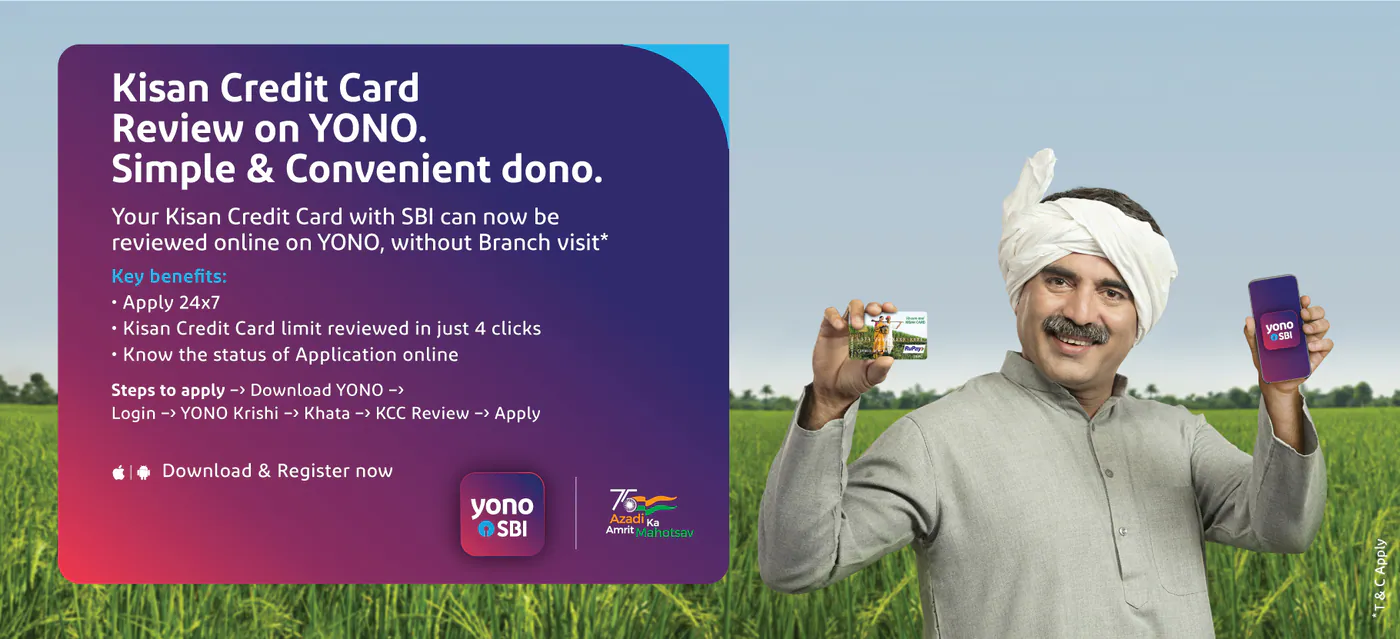 Kisan Credit Card (KCC)State Bank of India